
Introduction
The British Shorthair cat is one of the most popular breeds in Europe, known for its distinctive appearance and charming personality. With a rich history dating back to the 19th century, this breed has captured the hearts of many cat enthusiasts around the world.
In this article, we will delve into the world of the British Shorthair, exploring its characteristics, history, and care requirements. Whether you are a seasoned cat owner or just considering bringing one of these beautiful felines into your home, this guide is for you.
Physical Characteristics
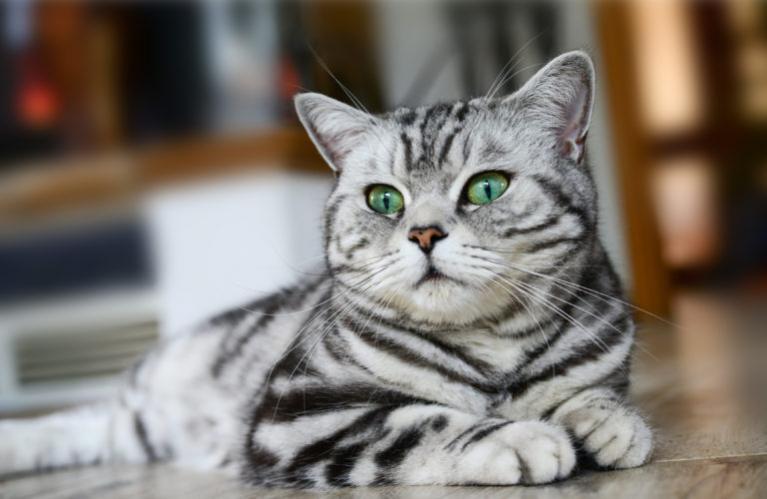
The British Shorthair’s physical appearance is quite striking. Its stocky build and short coat make it look like a sturdy little bear. The breed comes in a wide range of colors and patterns, including solid, bi-color, and tabby. The most common colors are blue, white, black, and red, but they can also be tortoiseshell or calico.
One of the breed’s most distinctive features is its broad face, short nose, and large, round eyes that seem to stare into the soul. The ears are medium-sized and slightly rounded at the tips. Adult males typically weigh between 9-17 pounds (4-7 kg), while females weigh between 6-12 pounds (3-5 kg).
History
The British Shorthair’s origins date back to the Roman Empire, when it was first introduced to Britain as a hunting cat. Over time, the breed developed into a distinct and recognizable type of feline.
In the late 19th century, Mr. Harrison Weir, a prominent cat breeder, began to develop the breed further by selecting for its distinctive characteristics. The British Shorthair gained popularity in the early 20th century and has remained one of the most beloved breeds ever since.
Personality
Despite their sturdy build, British Shorthairs are known for their gentle and affectionate nature. They are not as demanding as some other breeds and are content to spend hours lounging around the house, napping in the sunbeams that stream through the windows.
However, when it comes to playtime, they can be quite energetic and enjoy chasing toys or engaging in a good game of hide-and-seek. They also have a strong prey drive and will happily hunt small animals like mice or birds if given the opportunity.
Health and Care
British Shorthairs are generally a healthy breed, but like all cats, they require regular care to stay happy and healthy. Here are some tips for caring for your British Shorthair:
- Regular grooming is essential to prevent matting and tangling of their short coat.
- Provide a balanced diet that includes plenty of protein and fiber to keep them in top condition.
- Make sure they have access to fresh water at all times, and change it regularly to prevent bacterial growth.
- Keep their litter box clean and well-maintained to avoid accidents or unpleasant odors.
Price
The price of a British Shorthair can vary depending on factors such as bloodline, age, and location. Here are some general guidelines:
- Pet-quality kittens: €850-€1,200 (approximately $950-$1,350 USD)
- Breeder-quality kittens: €1,500-€2,000 (approximately $1,700-$2,300 USD)
- Show-quality kittens: €2,500-€3,500 (approximately $2,800-$4,000 USD)
Conclusion
The British Shorthair cat is a beloved breed that has captured the hearts of many feline enthusiasts. With its distinctive appearance and charming personality, it’s no wonder why this breed has remained so popular for generations.
By understanding their history, characteristics, and care requirements, you can provide your British Shorthair with the love, attention, and care they deserve to lead a happy and fulfilling life.
Frequently Asked Questions
- What is the average lifespan of a British Shorthair cat?
- Average lifespan: 14-20 years
- Are British Shorthairs prone to any health issues?
- Possible health issues: hypertrophic cardiomyopathy, hip dysplasia, and patellar luxation.
- How often should I groom my British Shorthair cat’s coat?
- Every 1-2 weeks, depending on their lifestyle and environment.
- Can British Shorthairs be left alone for long periods of time?
- While they can tolerate some alone time, it’s recommended to provide regular attention and interaction to prevent boredom and stress.
- Are British Shorthairs good with children?
- Yes, they are generally very tolerant and affectionate with children, making them a great choice for families.
Glossary
- Tortoiseshell: a mix of colors including black, white, and red, often resulting in a mottled or marbled appearance.
- Calico: a predominantly white coat with patches of orange and black.
- Bi-color: a cat with two distinct colors, such as black and white.
- Tabby: a classic M-shaped marking on the forehead, accompanied by stripes or dots on the body.
Additional Tips for British Shorthair Owners
- Provide plenty of hiding spots and vertical space to keep your British Shorthair happy and entertained.
- Make sure they have access to scratching posts and pads to maintain their nail health.
- Consider getting a companion cat for your British Shorthair, as they are social animals that thrive on interaction.
- Keep an eye out for signs of illness or injury, such as loss of appetite, vomiting, or difficulty breathing.
Common Mistakes to Avoid
- Overfeeding: British Shorthairs can be prone to obesity, so it’s essential to monitor their food intake and provide a balanced diet.
- Under-grooming: Regular grooming is crucial to prevent matting and tangling of the coat. Avoid neglecting your cat’s grooming needs!
- Inadequate attention: While British Shorthairs are generally independent, they still require regular attention and interaction to stay happy and healthy.
By understanding these tips and avoiding common mistakes, you can provide your British Shorthair with a happy and fulfilling life that is filled with love, care, and attention.


