
Introduction
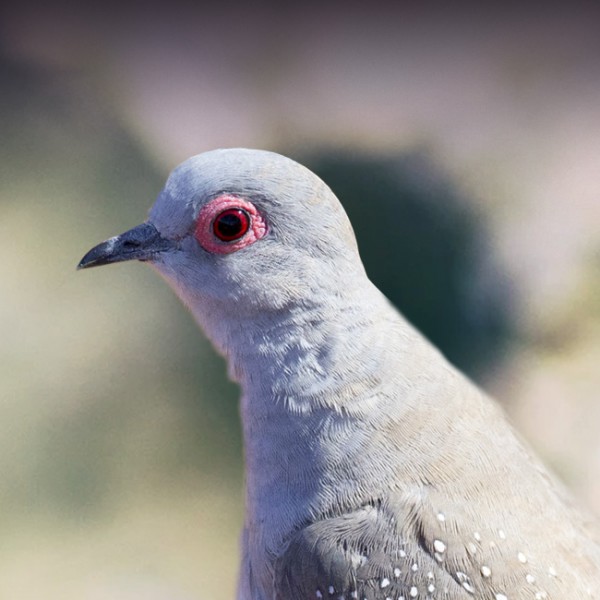
In the vast array of bird species found around the globe, few birds have captured the hearts and imaginations of bird enthusiasts as much as the diamond birds. Also known as diamond finches or bengalines, these tiny wonders are a type of passerine bird belonging to the family Estrildidae. In this article, we’ll delve into the fascinating world of diamond birds, exploring their unique characteristics, habits, and habitats.
History and Distribution
Diamond birds have become common in cities, even near humans, in areas with temperate climates ranging from semi-desert to temperate zones. They are native to savannas and subtropical dry areas but are adaptable to different climate conditions. One essential element for diamond birds is the presence of permanent sources of fresh water.
They can be found naturally on Australia’s coastlines and the Sonda Islands, as well as in Indonesia and Tasmania where they have naturalized. This adaptability has enabled them to thrive in various environments, making them one of the most widespread bird species.
Types of Diamond Birds
Within the diamond bird family, there are two main subspecies: Taeniopygia guttata castanotis and Taeniopygia guttata guttata. The former is larger than the latter and considered the ancestors of modern captive birds kept as pets. The name “guttata” in Latin means “drop,” which refers to the black stripe under their eyes, known as a tear drop.
The smaller and less common Taeniopygia guttata guttata originates from Timor Island and is easily recognizable by the absence of black stripes on its chest.
Physical Characteristics
Diamond birds are small, measuring 8-12 cm in length and weighing about 12 grams, although some domesticated examples can weigh up to 40 grams. Their body is robust with soft lines, and the tail has square edges, with a thick but stout beak.
There’s little difference between male and female birds in terms of size, but they differ significantly in color: both have grayish-brown backs that fade into white bellies and wings, which tend towards brown. Both males and females share similar markings: black coda bands, black tears under their eyes, and dirty white mustaches beside the beak.
However, there are differences: male birds display a red-orange spot on their cheeks and throat with zebra-like stripes, a black stripe under their chin, and white spots on their flanks. The legs are orange-colored in both sexes while the beaks turn into orange-rose for females and red coral for males.
Diversity of Coloration
Among diamond birds in captivity, various color variations have been observed. About 50 official colors have been recognized, with some of the most common being “white”, “striped”, “cheek black”, “throat black”, and others depending on personal preference.
This remarkable diversity is a testament to the adaptability and genetic variety within the diamond bird species.
Song
Diamond birds are social birds that use singing extensively to call each other and recognize one another within their group. These small flocks typically consist of a mix of birds and usually range from ten individuals. They don’t travel far but can move long distances if necessary, using both their vocalizations and chirping.
Their songs are an essential part of their social behavior, allowing them to communicate and maintain their flock dynamics.
Reproduction
There is no specific season for reproduction; instead, diamond birds follow the rain cycle, reproducing once they reach maturity whenever suitable weather conditions occur. Their courtship involves elaborate song from the male accompanied by a dance.
The female watches this display and gets approached by the male’s movements, which are considered a form of ritual dance. Once they pair up, both males and females care for their young together in building nests, with the male contributing to the structure and the female focusing on the interior.
Nesting and Incubation
Diamond birds build approximately 15 cm diameter nests from interwoven grass stalks, small roots, and fluff, which serve as a protective barrier and insulation. Females lay between two and eight eggs (average of five) per clutch, about 15 mm in length.
The incubation lasts for two weeks, during which time the male watches over from high perches or stands guard. This remarkable parental care ensures the survival of their young.
Fledging
After three weeks, young birds emerge fully covered in down feathers. During this period, parents feed them frequently by offering their beaks. Within a month, they learn to fly and develop visible feather colors.
This rapid growth and development is a testament to the diamond bird’s adaptability and resilience.
Price and Care
Keeping diamond birds as pets is relatively affordable, with an average price of about 12 euros for one bird. They can live up to seven years in captivity. Proper care and nutrition are essential for their well-being.
A spacious cage with a quiet, well-lit area inside, food trays, water dishes, and pre-made nesting boxes can help provide an optimal environment.
Conservation Status
Diamond birds are not currently considered an endangered species by the International Union for Conservation of Nature (IUCN). However, their populations are declining in some areas due to habitat loss and fragmentation.
Efforts should be made to protect and conserve their natural habitats, as well as educate people about the importance of preserving these bird species.
Interesting Facts
- Diamond birds have a unique way of communicating with each other through their songs.
- They can fly at speeds of up to 30 km/h (19 mph).
- Their lifespan in the wild is approximately two years, while in captivity they can live up to seven years.
Conclusion
In conclusion, diamond birds are fascinating creatures that have captured the hearts of many bird enthusiasts. Their unique characteristics, habits, and habitats make them one of the most interesting bird species in the world.
By understanding their behavior, social structure, and reproduction patterns, we can appreciate these tiny marvels even more.
FAQs
Q: Where are diamond birds native to?
A: Diamond birds are native to savannas and subtropical dry areas but are adaptable to different climate conditions. They can be found naturally on Australia’s coastlines and the Sonda Islands, as well as in Indonesia and Tasmania where they have naturalized.
Q: What is the difference between male and female diamond birds?
A: There are significant differences in color between male and female diamond birds. Males display a red-orange spot on their cheeks and throat with zebra-like stripes, a black stripe under their chin, and white spots on their flanks. Females have grayish-brown backs that fade into white bellies and wings.
Q: How long do diamond birds live in captivity?
A: Keeping diamond birds as pets is relatively affordable, with an average price of about 12 euros for one bird. They can live up to seven years in captivity.
Q: What kind of habitat do diamond birds require?
A: A spacious cage with a quiet, well-lit area inside, food trays, water dishes, and pre-made nesting boxes can help provide an optimal environment.
A: Yes, diamond birds are social birds that use singing extensively to call each other and recognize one another within their group.
Q: What is the purpose of courtship in diamond birds?
A: The purpose of courtship in diamond birds is to attract a mate and establish a pair bond. The male’s elaborate song and dance serve as a form of ritual display.
Q: How long do diamond birds take to incubate their eggs?
A: The incubation lasts for two weeks, during which time the male watches over from high perches or stands guard.
Q: What is unique about diamond bird reproduction?
A: There is no specific season for reproduction; instead, diamond birds follow the rain cycle, reproducing once they reach maturity whenever suitable weather conditions occur.


