
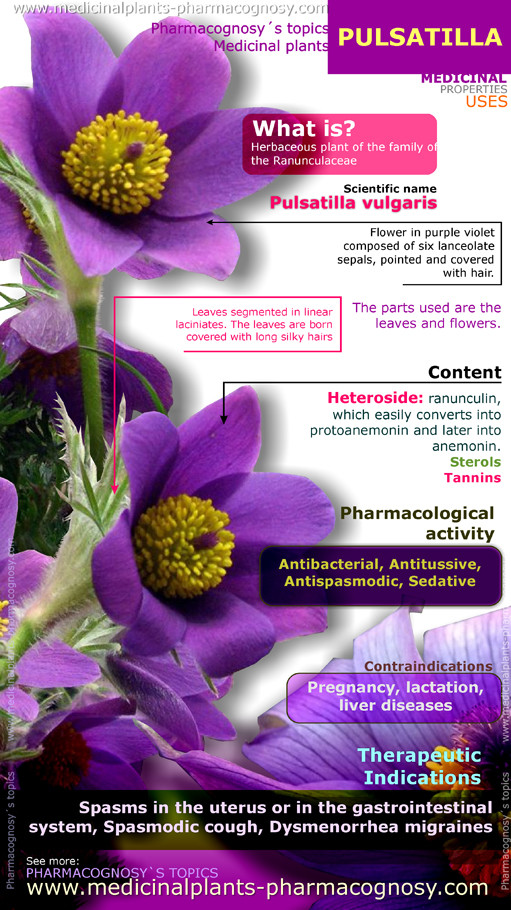
As we delve into the world of homeopathy, one plant stands out for its unique characteristics and versatility – Pulsatilla. Known affectionately as “wind herb” or “Passover flower,” this perennial plant has been a trusted ally for centuries, offering relief from a wide range of ailments.
What is Pulsatilla?
Pulsatilla is a type of flowering plant that belongs to the Asteraceae family. With its distinctive bell-shaped flowers and silver-gray leaves adorned with long, soft fur, it’s no wonder this plant has captivated the hearts of herbalists and homeopaths alike. But what sets Pulsatilla apart from other plants? Let’s take a closer look.
Characteristics of Pulsatilla
Pulsatilla is a perennial plant that thrives in rocky areas, meadows, and subalpine pastures. Its flowers bloom during the Easter period, earning it the nickname “Passover flower.” The plant’s unique characteristics include:
- Bell-shaped flowers: Dark purple with an orange center
- Silver-gray leaves: Covered in long, soft fur that gives them a pulsating appearance when the wind blows
- Rocky habitats: Prefers to grow in areas with well-drained soil and full sun
Homeopathy: The Power of Pulsatilla
In Europe and America, Pulsatilla has been used for centuries in homeopathic medicine. Indigenous people revered its ability to heal fertility problems and employed it in obstetrics, alongside other herbal remedies. Today, Pulsatilla remains a popular choice for treating various ailments.
What Conditions Can Pulsatilla Treat?
Homeopathic treatments based on Pulsatilla are designed to address conditions related to yellow and green colors, including:
- Colds
- Sinusitis
- Asthma
- Migraines
- Indigestion
- Stomach burning
- Menstrual problems
- Menopause
Pulsatilla: Who Can Benefit?
Homeopaths often associate Pulsatilla with women who share certain characteristics, such as:
- Pale skin and visible veins
- Blonde or light-colored hair
- Clear eyes with dark circles
- Sensitive, timid, and aggressive personalities
- Submissive tendencies
These individuals may experience symptoms like melancholy, abandonment crises, fever attacks, and nocturnal coughs. Pulsatilla can help alleviate these issues, providing relief from fever, allergic reactions, eye burning, and dry throat.
How to Prepare Homeopathic Dilutions
To create homeopathic dilutions, one typically starts with a “mother tincture,” which is made by macerating the plant’s bark in alcohol. The recipe involves mixing 1 drop of mother tincture with 99 drops of alcohol (1:100 ratio) to create a Chronic Homeopathic (CH) dilution level.
Benefits of Pulsatilla
Pulsatilla offers numerous benefits for various parts of the body, including:
- Genitourinary system: Reduces stress urinary incontinence, premenstrual syndrome, and irregular menstrual cycles
- Nervous system: Treats insomnia, depression, anxiety attacks, and hypochondria
- Ears, eyes, and mucous membranes: Relieves symptoms like ear infections, conjunctivitis, and dryness
- Circulation: Cures varicose veins, flebitis, swollen hands and feet, and geloni
The History of Pulsatilla
Pulsatilla has been used for centuries in various forms of medicine. The plant’s ancient history dates back to the time of Aristotle, who described it as a “plant that grows on rocky soil.” In the 19th century, German physician Carl Boenninghaus popularized Pulsatilla, and its use became widespread.
Pulsatilla vs. Other Plants
When comparing Pulsatilla to other plants with similar properties, such as Sanguinaria or Lachesis, homeopaths consider the following factors:
- Flower color: Pulsatilla’s dark purple flowers set it apart from other plants.
- Leaves: The silver-gray leaves of Pulsatilla are distinct from those of Sanguinaria and Lachesis.
- Habitat: Pulsatilla thrives in rocky areas, making it a unique addition to any homeopathic practice.
Interactions with Other Medications
As with any herbal remedy, consult with your healthcare professional before taking Pulsatilla if you’re already taking medications or have underlying health conditions. Potential interactions include:
- Blood thinners: Avoid combining Pulsatilla with blood thinners, such as aspirin or warfarin.
- Diabetes medication: Monitor your blood sugar levels when using Pulsatilla, especially if you’re taking insulin.
Side Effects of Pulsatilla
While generally considered safe, excessive doses or prolonged use can lead to side effects like:
- Diarrhea
- Convulsions
- Vomiting
Always consult with a healthcare professional before starting treatment with Pulsatilla.
Precautions and Contraindications
Due to the potential risk of harm to the fetus, it is strongly discouraged for pregnant women to use Pulsatilla, even in small doses. Additionally, individuals with certain health conditions should avoid using Pulsatilla, including:
- Allergic reactions
- Asthma attacks
- High blood pressure
Conclusion
Pulsatilla is a remarkable plant with a wide range of benefits. Its unique characteristics and versatility make it an excellent choice for homeopathic remedies. By understanding Pulsatilla’s properties and uses, you can unlock its full potential and find relief from various ailments.
FAQs
-
What is the best way to take Pulsatilla?
Homeopaths recommend taking Pulsatilla in small doses, ideally as part of a homeopathic remedy. Always consult with a healthcare professional before starting any new treatment. -
Can Pulsatilla treat men’s health issues?
Yes, Pulsatilla can be used to treat conditions like orchitis, epididymitis, and testicular neuralgia in men. -
Is Pulsatilla safe for pregnant women?
Due to the potential risk of harm to the fetus, it is strongly discouraged for pregnant women to use Pulsatilla, even in small doses. -
How does Pulsatilla interact with other medications?
As with any herbal remedy, consult with your healthcare professional before taking Pulsatilla if you’re already taking medications or have underlying health conditions. -
Can I grow Pulsatilla at home?
Yes, you can cultivate Pulsatilla in your garden, but ensure it receives the right amount of sunlight and well-drained soil. -
How long does it take to experience benefits from Pulsatilla?
Homeopaths often report noticeable improvements within a few days to weeks after starting treatment with Pulsatilla. -
Can I use Pulsatilla to treat allergies?
Yes, Pulsatilla has been used to alleviate symptoms of allergies, such as conjunctivitis and dryness. -
Is there any risk associated with using Pulsatilla?
While generally considered safe, excessive doses or prolonged use can lead to side effects like diarrhea, convulsions, and vomiting. Always consult with a healthcare professional before starting treatment.


