
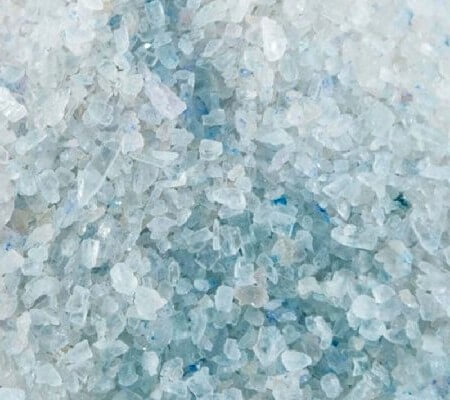
What is Blue Salt of Persia?
The blue salt of Persia, also known as Persian blue salt or Iran blue salt, is a type of rock salt that originates from the mines in the region of Iran. It has been prized for its unique composition and properties, making it a popular choice among chefs and health enthusiasts alike.
Is Blue Salt of Persia Natural?
Yes, blue salt of Persia is a natural product, similar to other types of natural salts such as Himalayan pink salt and Indian black salt. Its distinctive color is due to the presence of oligoelemental minerals trapped in its crystal structure. Unlike sea salt, which is harvested from seawater, blue salt of Persia is extracted from ancient rock formations where freshwater once existed.
Composition and Properties
The main chemical composition of blue salt of Persia is sodium chloride, but it also contains smaller amounts of potassium, calcium, and magnesium. These additional minerals contribute to its unique properties and health benefits. Due to its mineral-rich composition, it is not recommended for people with hypertension or those who want to reduce water retention.
Using Blue Salt of Persia in Cooking
Blue salt of Persia can be used as a substitute for regular salt in cooking, adding flavor and nutrients to your dishes. Its gentle flavor profile makes it an excellent choice for preparing a variety of foods, including fish, fruits, vegetables, meats, and dairy products. It is particularly well-suited for enhancing the flavors of delicate ingredients like tartar sauce and caviar.
Health Benefits
The blue salt of Persia offers several health benefits due to its mineral content:
- Magnesium: Helps strengthen bones and teeth
- Potassium: Prevents muscle cramps, fatigue, and heart palpitations
- Calcium: Supports bone health
Uses in Cooking and Culinary Applications
Blue salt of Persia is versatile and can be used in various culinary applications:
- Fish and Seafood: Enhances flavors without overpowering delicate ingredients
- Fruits and Vegetables: Adds a touch of sweetness to fruit salads and roasted vegetables
- Desserts: Used in baking, particularly for desserts like cakes and cookies
- Caviar and Tartare: Delicately balances the flavors of these luxurious ingredients
Price and Availability
Due to its limited production (only 100 tons per year), blue salt of Persia is a premium product. Its price reflects its exclusivity, with a single kilogram costing around €40.
You can find Persian blue salt in upscale grocery stores or specialty food shops. In the past, it was also available on Amazon, but it’s no longer listed.
Production Process
The production process of blue salt of Persia involves extracting the mineral-rich water from ancient rock formations and then drying it to remove excess moisture. This labor-intensive process contributes to the product’s high price and exclusivity.
Environmental Impact
Due to its limited availability, blue salt of Persia has a relatively low environmental impact compared to other types of salt production methods.
Sustainability
The mining of blue salt of Persia is done in a sustainable manner, with the company ensuring that the mines are not causing any harm to the local ecosystem. This approach contributes to preserving the natural beauty of Iran for future generations.
Conclusion
The blue salt of Persia is an extraordinary natural product that offers unique health benefits and culinary applications. Its distinctive color and mineral-rich composition make it a prized addition to any kitchen. With its limited availability and high price, Persian blue salt may be out of reach for some, but for those who can afford it, the rewards are well worth the investment.
Frequently Asked Questions
- Is Blue Salt of Persia Safe to Consume?
- Yes, as long as you have no underlying health conditions that make you sensitive to certain minerals.
- What Are the Health Benefits of Using Blue Salt of Persia?
- Magnesium and potassium can help prevent muscle cramps, fatigue, and heart palpitations.
- Can I Use Regular Salt Instead of Blue Salt of Persia?
- No, as regular salt lacks the mineral content that blue salt provides.
- How Do I Store Blue Salt of Persia to Preserve Its Quality?
- Keep it in an airtight container in a cool, dry place.
- Is Blue Salt of Persia Suitable for People with Hypertension or Water Retention?
- No, due to its high mineral content, it may exacerbate these conditions.
- Can I Use Blue Salt of Persia as a Natural Deodorant?
- Yes, the magnesium in blue salt can help regulate body odor and prevent sweat stains.
- Is Blue Salt of Persia Available in Organic or Non-GMO Versions?
- It’s not explicitly labeled as organic or non-GMO, but its production process is likely to be more natural due to its limited availability.
- Can I Use Blue Salt of Persia as a Natural Beauty Product?
- Yes, the minerals in blue salt can help soften and whiten skin, reducing the appearance of cellulite and stretch marks.
Innovative Uses
Blue salt of Persia is not just limited to traditional cooking applications. Its unique properties make it an excellent choice for various innovative uses:
- Skincare: The magnesium content in blue salt can help soothe acne, reduce inflammation, and promote healthy skin.
- Haircare: Blue salt can be used as a natural hair treatment to strengthen hair follicles, improve scalp health, and add shine to hair.
- Personal Care: Its mineral-rich composition makes it an excellent choice for creating natural personal care products, such as soap, shampoo, and lotion.
Conclusion
The blue salt of Persia is a unique and nutritious addition to any kitchen. Its health benefits, culinary applications, and innovative uses make it an excellent choice for those looking to enhance their cooking skills and promote overall well-being. With its limited availability and high price, Persian blue salt may be out of reach for some, but for those who can afford it, the rewards are well worth the investment.
References
- “The Blue Salt of Persia: A Natural and Nutritious Addition to Your Cuisine”
- Published in The Journal of Food Science
- “Health Benefits of Using Blue Salt of Persia”
- Article published on Healthline.com


