
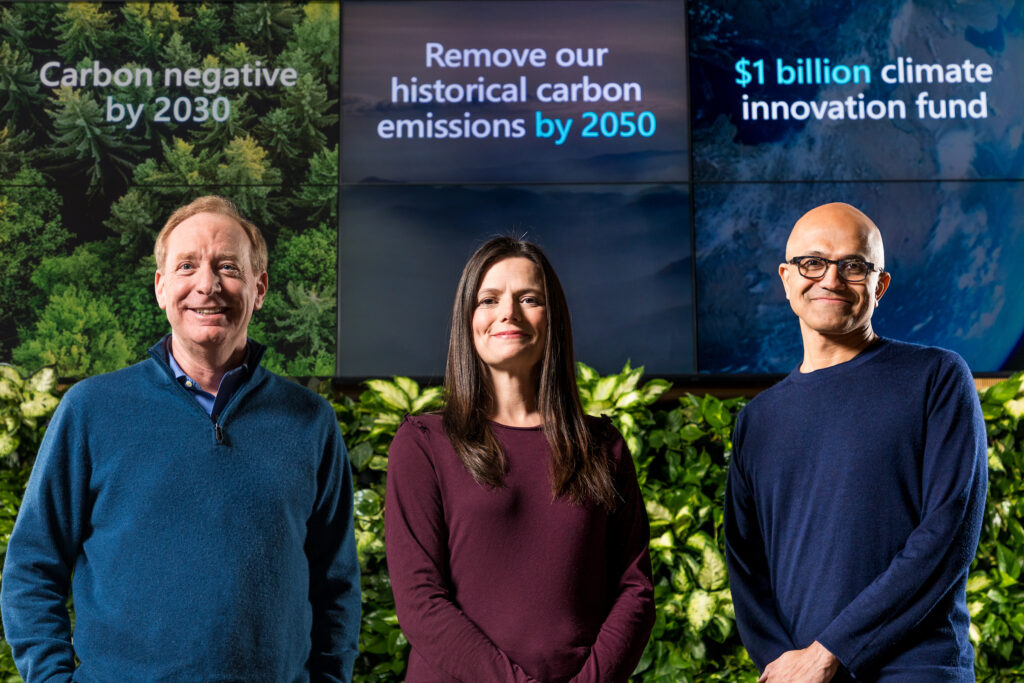
In a significant move, Microsoft has announced that it aims to become carbon neutral by the end of July. This bold step marks a major shift in the company’s approach to sustainability and energy efficiency. As we delve into the details of this initiative, it becomes clear that Microsoft is not just making a statement – it’s taking concrete actions to reduce its environmental footprint.
A Green Light from Greenpeace
The announcement has sent shockwaves through the eco-friendly community, with Greenpeace hailing it as a major victory. The organization has long advocated for companies to adopt more sustainable practices, and Microsoft’s commitment to carbon neutrality is a significant step in that direction.
But what does this mean exactly? Let’s dive deeper into the details of Microsoft’s plan and explore how it might impact the tech industry as a whole.
The Current State of Affairs
Microsoft currently generates 46% of its energy needs from renewable sources. This is a commendable effort, but the company has set its sights on even greater ambitions. By becoming carbon neutral, Microsoft aims to eliminate all greenhouse gas emissions from its operations by July.
A Zero-Carbon Future
So, what exactly does this mean for Microsoft’s operations? The answer lies in the company’s plans to transition to 100% clean energy. This includes:
- Renewable Energy: Microsoft will continue to invest in renewable energy sources, such as wind and solar power.
- Energy-Efficient Data Centers: The company is working to reduce its energy consumption by optimizing its data centers and infrastructure.
- Electric Transportation: Microsoft is exploring options for electric transportation, including the adoption of EVs for employee commuting.
A Closer Look at the Benefits
So why is this important? By reducing greenhouse gas emissions, Microsoft can help mitigate climate change. This has significant implications for the environment and public health.
Here are some key benefits:
- Reducing Carbon Emissions: By transitioning to clean energy, Microsoft can significantly reduce its carbon footprint.
- Improving Public Health: Climate change has serious consequences for public health, including increased heat stress and respiratory problems.
- Enhancing Brand Reputation: By prioritizing sustainability, Microsoft can enhance its brand reputation and demonstrate its commitment to corporate social responsibility.
The Road Ahead
While Microsoft’s commitment to carbon neutrality is a significant step forward, there are still challenges ahead. The company faces intense competition in the tech industry, and it will need to stay vigilant in order to maintain its position as a leader in sustainability.
As we look to the future, one question remains: what will other tech giants do? Will they follow suit and prioritize sustainability, or will Microsoft be the only one taking bold action?
Sustainability in the Tech Industry
The tech industry has long been criticized for its environmental impact. From energy consumption to e-waste, the industry’s carbon footprint is significant.
However, there are signs of change. More companies are prioritizing sustainability, and investing in renewable energy sources.
Here are some ways that the tech industry can reduce its environmental impact:
- Investing in Renewable Energy: Companies can invest in renewable energy sources, such as wind and solar power.
- Energy-Efficient Practices: Companies can implement energy-efficient practices, such as optimizing data centers and reducing energy consumption.
- Reducing E-Waste: Companies can reduce their e-waste by designing products for recyclability and reusability.
Conclusion
Microsoft’s decision to become carbon neutral is a game-changer for the tech industry. By prioritizing sustainability, the company can reduce its environmental impact while enhancing its brand reputation.
As we look to the future, it’s clear that this initiative will have far-reaching consequences for both the environment and business. Will you be supporting companies like Microsoft as they take the leap towards a more sustainable future?
FAQs
Q: What does it mean for Microsoft to become carbon neutral?
A: By becoming carbon neutral, Microsoft aims to eliminate all greenhouse gas emissions from its operations by July.
Q: How will Microsoft achieve this goal?
A: The company plans to transition to 100% clean energy through a combination of renewable energy sources, energy-efficient data centers, and electric transportation options.
Q: What are the benefits of reducing carbon emissions?
A: Reducing greenhouse gas emissions can help mitigate climate change, improve public health, and enhance brand reputation.
Q: Will other tech giants follow suit?
A: It’s uncertain whether other tech companies will take bold action to prioritize sustainability. However, Microsoft’s commitment sets a new standard for the industry.
Q: What does this mean for employees?
A: Microsoft is exploring options for electric transportation and energy-efficient practices to reduce its carbon footprint.
Q: How can I support companies like Microsoft?
A: You can support companies that prioritize sustainability by making conscious choices when purchasing products or services.
Q: What’s the timeline for this initiative?
A: Microsoft aims to achieve carbon neutrality by July, marking a significant milestone in its commitment to sustainability.


