
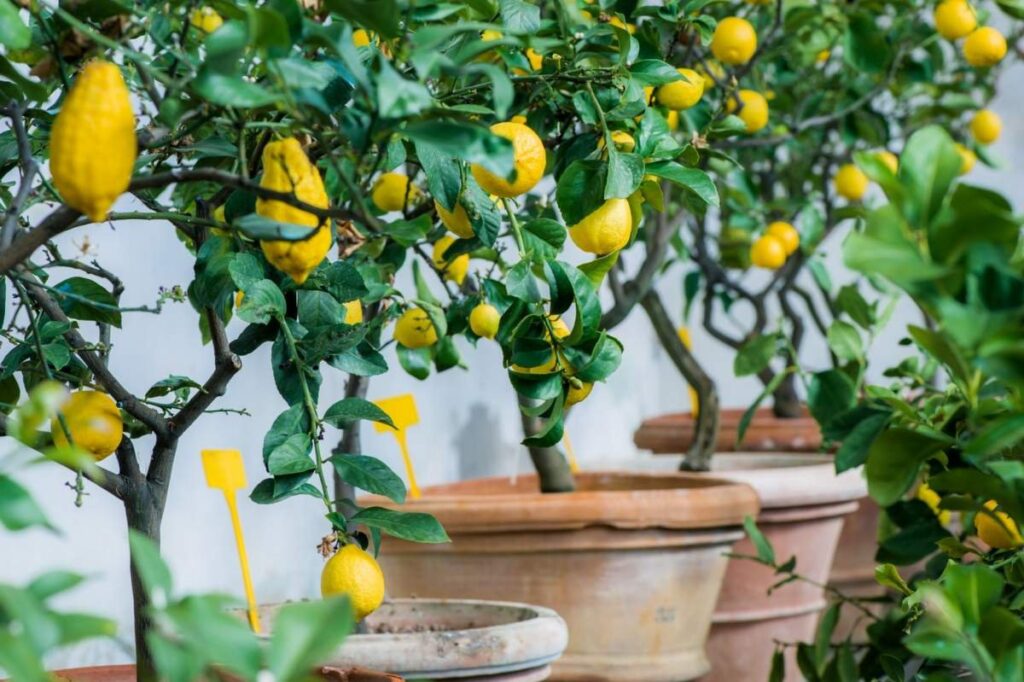
As you’re well aware, growing citrus fruits can be a wonderful way to bring some freshness and vibrancy into your home or outdoor space. However, it’s essential to keep in mind that citrus plants require special care, especially when grown in containers.
In this article, we’ll explore the best practices for growing citrus fruits in containers, including choosing the right varieties, providing adequate sunlight, water, and nutrients, and dealing with common issues like leaf drop and disease. By following these tips, you’ll be well on your way to enjoying a bountiful harvest of fresh, juicy citrus.
What Citrus Fruits Can Be Grown in Containers?
When it comes to growing citrus fruits in containers, not all varieties are created equal. Some citrus plants are more suitable for container cultivation than others. Here are some popular citrus fruits that can thrive in containers:
- Lemons: One of the most popular citrus fruits grown in containers, lemons are relatively easy to care for and produce a high yield.
- Oranges: With proper care, oranges can grow well in containers, especially dwarf varieties like ‘Valencia’ or ‘Mandarin’.
- Grapefruits: Grapefruits are another popular citrus fruit that can be grown in containers. They require more sunlight than lemons and oranges but can thrive with proper care.
- Limes: Limes are a great choice for container cultivation, as they’re compact and produce a high yield.
- Mandarins: Mandarins are another popular citrus fruit that can be grown in containers. They require more sunlight than lemons and oranges but can thrive with proper care.
When choosing a variety of citrus to grow in containers, look for compact or dwarf varieties that are specifically bred for container cultivation. These varieties will produce fewer leaves and have a more bushy shape, making them easier to care for in small spaces.
Providing Adequate Sunlight
Citrus plants need plenty of sunlight to thrive. When growing citrus in containers, it’s essential to provide at least 4-5 hours of direct sunlight per day. If you don’t have a spot with direct sunlight, consider using grow lights to supplement the natural light.
However, be sure to avoid overexposure to direct sunlight, as this can cause leaf scorch and other damage. A good rule of thumb is to provide dappled shade during the hottest part of the day (usually between 11 am and 3 pm).
Watering Your Citrus Tree
Watering your citrus tree is crucial for its health and growth. Here are some tips for watering your citrus in containers:
- Water your citrus tree when the top inch of soil feels dry to the touch.
- Avoid overwatering, as this can cause root rot and other problems.
- Use a well-draining potting mix to prevent waterlogged soil.
Fertilizing Your Citrus Tree
Fertilizing your citrus tree is essential for its growth and production. Here are some tips for fertilizing your citrus in containers:
- Use a balanced, citrus-specific fertilizer that contains equal amounts of nitrogen, phosphorus, and potassium.
- Follow the instructions on the fertilizer package for application rates and frequencies.
- Consider adding a soil amendment like compost or manure to provide additional nutrients.
Common Issues and Solutions
Growing citrus in containers can be challenging, especially when it comes to common issues like leaf drop and disease. Here are some solutions to common problems:
- Leaf drop: This is often caused by overwatering, underfertilization, or exposure to extreme temperatures. To prevent leaf drop, make sure your citrus tree is receiving enough sunlight and water. Fertilize regularly, and prune any dead or damaged leaves.
- Disease: Citrus trees are susceptible to a range of diseases, including root rot, leaf spot, and canker. To prevent disease, make sure your tree is receiving good air circulation and watering practices are sound. Consider using fungicides or bactericides as needed.
By following these tips and best practices, you’ll be well on your way to growing a healthy and productive citrus tree in a container. Happy growing!
Frequently Asked Questions
Here are some frequently asked questions about growing citrus in containers:
- What is the best time of year to plant a citrus tree?
- The best time to plant a citrus tree depends on your location and climate. In general, spring and fall are considered ideal planting times.
- How often should I fertilize my citrus tree?
- Citrus trees require regular fertilization to promote healthy growth and fruit production. Follow the instructions on the fertilizer package for application rates and frequencies.
- Can I grow citrus in a small pot?
- Yes, you can grow citrus in a small pot, but it’s essential to choose a variety that is compact or dwarf. These varieties will produce fewer leaves and have a more bushy shape, making them easier to care for in small spaces.
- How do I prevent root rot in my citrus tree?
- Root rot can be caused by overwatering, poor drainage, or exposure to extreme temperatures. To prevent root rot, make sure your citrus tree is receiving good air circulation and watering practices are sound.
- Can I grow citrus indoors?
- Yes, you can grow citrus indoors, but it’s essential to provide the right conditions for optimal growth and fruit production. Citrus trees require plenty of sunlight, heat, and humidity to thrive.
Tips for Growing Citrus in Small Spaces
Growing citrus in small spaces can be a challenge, but there are several tips that can help:
- Choose a compact or dwarf variety: These varieties will produce fewer leaves and have a more bushy shape, making them easier to care for in small spaces.
- Use a shallow pot: A shallow pot allows the roots of the tree to grow closer to the surface, making it easier to provide adequate sunlight and water.
- Provide good air circulation: Good air circulation helps prevent disease and promotes healthy growth. Make sure your citrus tree is receiving enough space between containers or plants.
- Use a well-draining potting mix: A well-draining potting mix prevents waterlogged soil, which can cause root rot and other problems.
By following these tips and best practices, you’ll be able to grow a healthy and productive citrus tree in even the smallest of spaces. Happy growing!


