
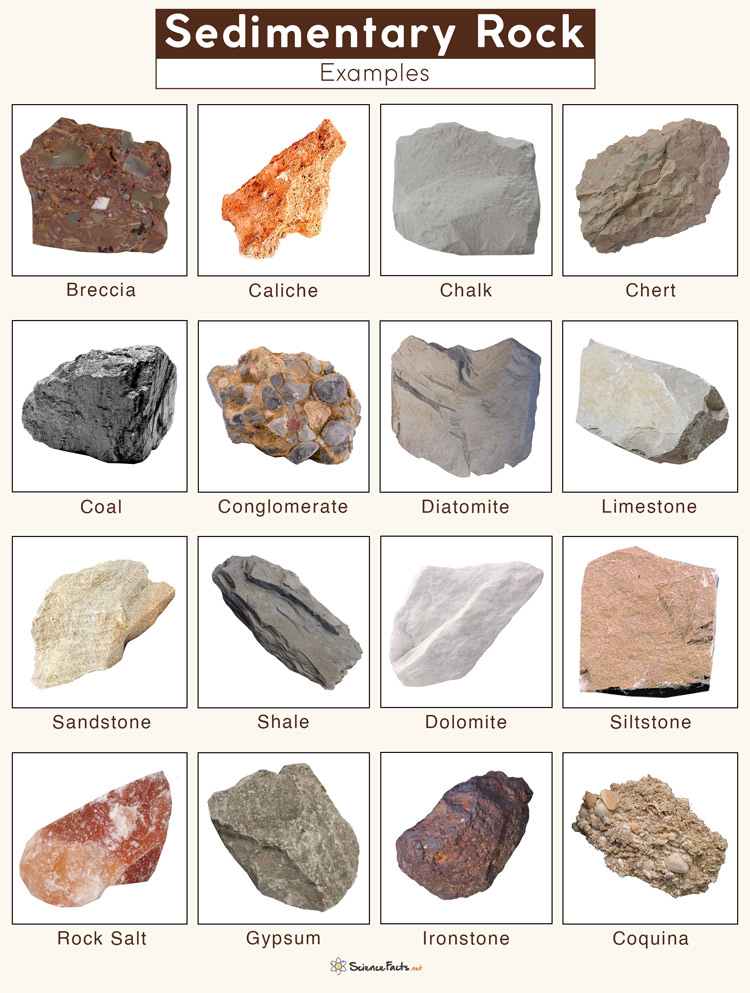
Sedimentary rocks are formed by the accumulation of sediments over time, with each layer built upon the previous one. These rocks can seem diverse, but they all share a common origin in terms of their formation process. In this article, we will delve into the world of sedimentary rocks, exploring what they are, how they form, and their classification.
What are Sedimentary Rocks?
Sedimentary rocks are formed through the accumulation of sediments, which can come from various sources such as erosion and weathering of pre-existing rocks. The term “sediment” comes from the Latin word for “to sit down,” referring to the process of sedimentation, where particles settle on the bottom of a body of water.
Formation Process
The formation process of sedimentary rocks involves several stages:
- Erosion: The breakdown of pre-existing rocks into sediments. This can be caused by various natural forces such as wind, water, or ice.
- Transportation: The movement of these sediments through natural forces such as wind or water. This can occur over long distances and can result in the sediment being deposited in a new location.
- Deposition: The settling of these sediments on the bottom of a body of water. This can occur in a variety of environments, including rivers, lakes, and oceans.
- Diagenesis: The transformation of these sediments into rock. This is the process by which the sediment becomes compacted and cemented together to form a solid rock.
Examples of Sedimentary Rocks
Some common examples of sedimentary rocks include:
- Marls: A type of sedimentary rock formed from the accumulation of calcium carbonate from marine organisms.
- Evaporites: Rocks formed from the evaporation of water, resulting in the precipitation of minerals such as gypsum and halite (rock salt).
- Conglomerates: Coarse-grained sedimentary rocks composed of rounded gravel and pebbles.
Fenomeni Fisici e Chimici
The formation of sedimentary rocks is influenced by both physical and chemical processes. Chemical reactions occur when sediments come into contact with water, leading to the dissolution and precipitation of minerals. For example:
- Carbonate rocks: These are formed through the accumulation of calcium carbonate from marine organisms.
- Siliciclastic rocks: These are formed through the erosion and transportation of silicate-rich sediments.
Classification of Sedimentary Rocks
Sedimentary rocks can be classified into three main categories:
- Organogenic: Formed from the accumulation of organic materials such as fossils, shells, or other biological remains.
- Clastic: Formed from the accumulation of clastic sediments, which are composed of pre-existing rocks that have been eroded and transported.
- Chemical: Formed through chemical precipitation processes, resulting in the formation of minerals such as gypsum or rock salt.
Organogenic Sedimentary Rocks
Organogenic sedimentary rocks are formed from the accumulation of organic materials such as fossils, shells, or other biological remains. These rocks can provide valuable information about past environments and can be used to date the Earth’s history. Examples of organogenic sedimentary rocks include:
- Limestone: A sedimentary rock formed from the accumulation of calcium carbonate from marine organisms.
- Shale: A fine-grained sedimentary rock composed of mud-sized grains.
Clastic Sedimentary Rocks
Clastic sedimentary rocks are formed from the accumulation of clastic sediments, which are composed of pre-existing rocks that have been eroded and transported. These rocks can provide valuable information about past environments and can be used to date the Earth’s history. Examples of clastic sedimentary rocks include:
- Sandstone: A coarse-grained sedimentary rock composed of sand-sized grains.
- Conglomerate: A coarse-grained sedimentary rock composed of rounded gravel and pebbles.
Chemical Sedimentary Rocks
Chemical sedimentary rocks are formed through chemical precipitation processes, resulting in the formation of minerals such as gypsum or rock salt. These rocks can provide valuable information about past environments and can be used to date the Earth’s history. Examples of chemical sedimentary rocks include:
- Gypsum: A mineral-forming substance that is often found in sedimentary rocks.
- Rock salt: A mineral-forming substance that is often found in sedimentary rocks.
Conclusion
Sedimentary rocks play a crucial role in understanding the Earth’s history and the processes that shape our planet. By understanding their formation process, classification, and characteristics, we can gain valuable insights into the geological past and the present.
Frequently Asked Questions (FAQs)
- What are sedimentary rocks?
Sedimentary rocks are formed through the accumulation of sediments over time. - How are sedimentary rocks classified?
Sedimentary rocks are classified into three main categories: organogenic, clastic, and chemical. - What is the role of erosion in forming sedimentary rocks?
Erosion plays a crucial role in breaking down pre-existing rocks into sediments that can then be transported and deposited. - How do chemical reactions influence the formation of sedimentary rocks?
Chemical reactions occur when sediments come into contact with water, leading to the dissolution and precipitation of minerals. - What is the difference between a conglomerate and an arenite?
A conglomerate is a coarse-grained sedimentary rock composed of rounded gravel and pebbles, while an arenite is a fine-grained sedimentary rock composed of sand-sized grains. - Can sedimentary rocks be metamorphic or igneous?
No, sedimentary rocks are formed through the accumulation of sediments over time and do not undergo metamorphism or igneous processes. - How can sedimentary rocks provide evidence of past environments?
Sedimentary rocks can provide valuable information about past environments, including ocean conditions, climate, and geological activity. - Can sedimentary rocks be used to date the Earth’s history?
Yes, sedimentary rocks can be used to date the Earth’s history through various methods, such as radiometric dating and biostratigraphy.
By understanding the formation process, classification, and characteristics of sedimentary rocks, we can gain valuable insights into the geological past and the present.


