
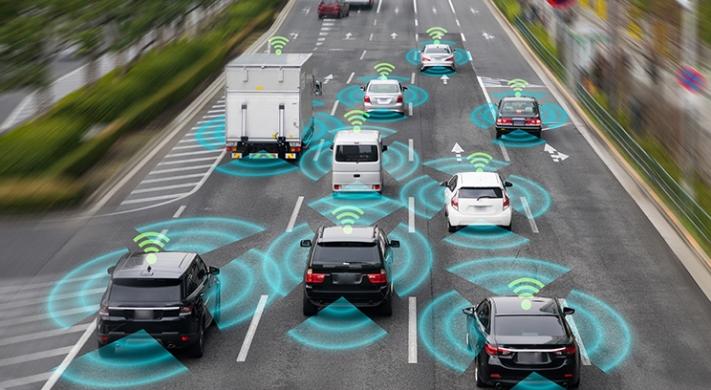
As we stand at the crossroads of technological advancements, one question resonates in our minds: are we ready for self-driving cars? The answer is complex, and it’s time to explore this topic further. In this article, we’ll delve into the world of autonomous vehicles, discussing their history, current state, and future prospects.
A Brief History of Autonomous Cars
In 2010, Google unveiled a fleet of seven autonomous cars, marking the beginning of an exciting journey. Over the past three years, these self-driving cars have made significant strides, paving the way for mass adoption. The project, now known as Waymo (formerly Google Self Driving Car), continues to test and refine its technology.
The first prototype of an autonomous car was unveiled in 2006 by Stanford University’s Sebastian Thrun. This early version used a combination of GPS, cameras, and sensors to navigate roads. In 2011, the first production-ready autonomous vehicle was developed by Google. Since then, numerous companies have entered the autonomous vehicle market, including Tesla, General Motors, and Ford.
The Benefits of Autonomous Cars
Imagine setting your destination and enjoying a comfortable ride without having to worry about driving. Sounds like a dream come true? With autonomous cars, this might become a reality soon. The benefits are numerous:
- Reduced traffic congestion: Autonomous vehicles can optimize routes in real-time, reducing travel times and decreasing the likelihood of accidents.
- Improved road safety: Self-driving cars can detect and respond to hazards more quickly than human drivers, leading to lower accident rates.
- Enhanced mobility for the elderly and disabled: Autonomous vehicles can provide independence and freedom for people who may not be able to drive themselves.
Are We Ready for Autonomous Cars?
While the concept of self-driving cars may seem appealing, we need to consider the potential risks. Can autonomous vehicles handle complex scenarios like construction zones or pedestrian crossings?
- Can they handle unexpected situations? Autonomy requires sophisticated sensors and machine learning algorithms to detect and respond to unexpected events.
- How will they interact with human drivers? Autonomous vehicles must be able to communicate effectively with human drivers, which can be challenging in high-stress situations.
- What about cyber security risks? Connected autonomous vehicles are vulnerable to hacking, which could compromise safety and security.
These questions linger in our minds as we ponder the readiness of society for autonomous cars. Addressing these concerns will be crucial in ensuring a smooth transition to self-driving technology.
Regulations and Laws
As the technology advances, so do the regulations. In recent years, California, Nevada, and Florida have approved laws allowing for the testing of self-driving cars. However, there are still many open questions:
- Who will be responsible in case of an accident? In the event of an accident involving a self-driving car, determining liability can be complex.
- Will there be a need for specialized licensing or training? Governments may require specific licenses or training programs for autonomous vehicle operators.
- How will they interact with human drivers? Regulations must address how autonomous vehicles will communicate with human drivers on the road.
The regulatory landscape is still evolving, and ongoing debate ensures that new laws and regulations are continuously being drafted to accommodate the growth of autonomous cars.
Testing and Refining the Technology
Google has been testing its autonomous car technology on public roads. The results are promising, but there’s still much to improve:
- How will they handle traffic patterns and road conditions? Autonomy requires sophisticated algorithms to navigate complex traffic patterns and adapt to changing road conditions.
- Can they adapt to changing circumstances like weather or road construction? Autonomous vehicles must be able to respond to unexpected changes in the environment, such as weather or road closures.
The journey is long, but progress is being made. Continued testing and refinement will help ensure that autonomous cars are safe, reliable, and efficient.
A New Era in Transportation
Autonomous cars have the potential to revolutionize the way we travel. As technology continues to advance, we can expect significant changes:
- Will we see a shift towards shared transportation? Autonomous vehicles could enable new forms of shared transportation, reducing the need for personal vehicle ownership.
- How will autonomous cars impact urban planning and architecture? With reduced traffic congestion, cities may be designed differently, prioritizing pedestrian-friendly spaces and green areas.
The possibilities are endless. As we move forward into a future with increased autonomy, it’s essential to consider both the benefits and challenges.
Conclusion: The Future of Transportation
As we look to the future, it’s clear that autonomous cars will play a significant role in shaping our transportation landscape. While there are still many challenges to overcome, the benefits are undeniable. One thing is certain – the journey to self-driving cars has just begun.


