
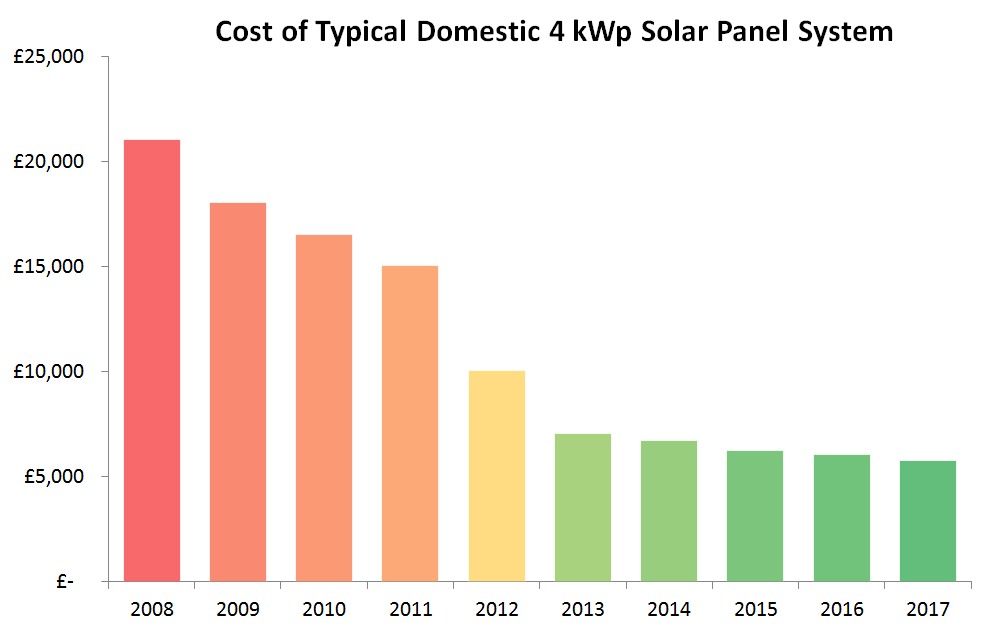
As more people consider investing in solar panels, it’s essential to understand the costs involved in installing a solar panel system. In this article, we’ll delve into the various expenses associated with purchasing and installing solar panels, including the cost of modules, installation, maintenance, and other factors that impact the overall investment.
Introduction
The transition to renewable energy sources has been gaining momentum globally, driven by environmental concerns and government policies aimed at reducing greenhouse gas emissions. Solar panel systems have become a popular choice for individuals and businesses seeking to harness clean energy from sunlight. However, understanding the costs involved in installing a solar panel system is crucial before making an investment.
Understanding Solar Panel Module Costs
The cost of solar panel modules can vary significantly depending on their efficiency, technology, and brand reputation. Currently, the prices of solar panels range from $0.50 to $0.77 per watt peak (Wp), with higher-efficiency modules commanding a premium price. The watt peak rate is the maximum power output of a module under ideal conditions, such as 1,000 W/m² irradiance, 25°C temperature, and an AM 1.5 spectrum.
The Impact of Efficiency on Solar Panel Costs
As solar panel efficiency increases, so does their cost. High-efficiency modules with efficiencies above 25% are the latest innovation in the solar market, introduced in late 2016. These high-efficiency modules offer improved energy output and reduced energy losses, making them a more attractive option for homeowners and businesses.
Understanding Other Costs Associated with Solar Panel Installation
In addition to the cost of modules, there are several other expenses to consider when installing a solar panel system:
- Structures of support: These can include roof mounts, ground-mounted racking systems, and other structural components that provide a stable foundation for the solar panels.
- Inverters: Inverters convert DC power from the solar panels into AC power for the electrical grid. The cost of inverters can vary significantly depending on their efficiency, capacity, and brand reputation.
- Battery storage systems: Battery storage systems enable households to store excess energy generated by the solar panels during the day for use at night or during periods of high energy demand.
- Installation costs: Installation costs include labor fees, equipment costs, and other expenses associated with setting up the solar panel system.
Pricing Breakdown of Solar Panel Costs
When evaluating a solar panel installation project, it’s essential to understand the pricing breakdown. The following is a rough estimate of the cost distribution:
- Module cost: 35% of the total investment
- Inverter cost: 8% of the total investment
- Structural support cost: 8% of the total investment
- Cabling and wiring cost: 16% of the total investment
- Installation and labor costs: 33% of the total investment
Trends in Solar Panel Installation Costs
The cost of solar panel installation is decreasing over time, driven by advances in technology and economies of scale. According to a report by EnergyTrend, the cost of installation has decreased by 15% since 2017.
Factors Affecting the Cost of Solar Panel Installation
Several factors can impact the overall cost of solar panel installation:
- Module efficiency: High-efficiency modules command a higher price due to their advanced technology and manufacturing process.
- Installation location: The cost of solar panel installation varies depending on the location, with urban areas typically having higher costs than rural areas.
- System size: Larger systems require more materials and labor, increasing the overall cost.
- Local incentives: Governments and utilities often offer incentives for renewable energy installations, which can reduce the upfront cost.
Conclusion
Installing a solar panel system can be a significant investment, but understanding the costs involved can help you make an informed decision. By considering factors such as module efficiency, structures of support, inverters, battery storage systems, and installation costs, you can ensure that your solar panel system is properly sized and installed to meet your energy needs.
Frequently Asked Questions
- What is the average cost of a solar panel installation?
- How do I determine the right size for my solar panel system?
- What factors impact the efficiency of my solar panels?
- Can I use battery storage systems with my solar panel system?
-
What are some common mistakes to avoid when installing a solar panel system?
-
Average cost of solar panel installation: The average cost of a solar panel installation varies depending on several factors, including the size and type of system, location, and local incentives.
- Determining the right size for your solar panel system: To determine the right size for your solar panel system, consider factors such as your energy consumption, roof space, and budget.
- Factors impacting solar panel efficiency: Factors that impact solar panel efficiency include module type, temperature, irradiance, and cleaning frequency.
- Using battery storage systems with solar panels: Yes, you can use battery storage systems with your solar panel system to store excess energy generated during the day for use at night or during periods of high energy demand.
- Common mistakes to avoid when installing a solar panel system: Some common mistakes to avoid when installing a solar panel system include not properly sizing the system, not considering local building codes and regulations, and not accounting for energy storage needs.
Conclusion
In conclusion, understanding the costs involved in installing a solar panel system is crucial before making an investment. By considering factors such as module efficiency, structures of support, inverters, battery storage systems, and installation costs, you can ensure that your solar panel system is properly sized and installed to meet your energy needs. Additionally, staying up-to-date with the latest trends and technologies in the solar market can help you make informed decisions about your investment.
Final Thoughts
The transition to renewable energy sources has never been more important for our planet’s future. As we continue to face climate change challenges, it’s essential that we explore all possible options for reducing greenhouse gas emissions. Solar panels are an attractive solution for individuals and businesses looking to harness clean energy from sunlight.
While the upfront cost of solar panel installation may seem daunting, the long-term benefits make it a worthwhile investment. With advancements in technology and economies of scale, the cost of solar panels continues to decrease over time.
If you’re considering investing in solar panels, we hope this comprehensive guide has provided valuable insights into the costs involved. By understanding the pricing breakdown, trends in solar panel installation costs, and factors affecting the cost, you can make an informed decision about your investment.
As we move forward in our journey towards a more sustainable future, it’s essential that we continue to explore innovative solutions like solar panels. By working together, we can create a cleaner, healthier environment for generations to come.


