
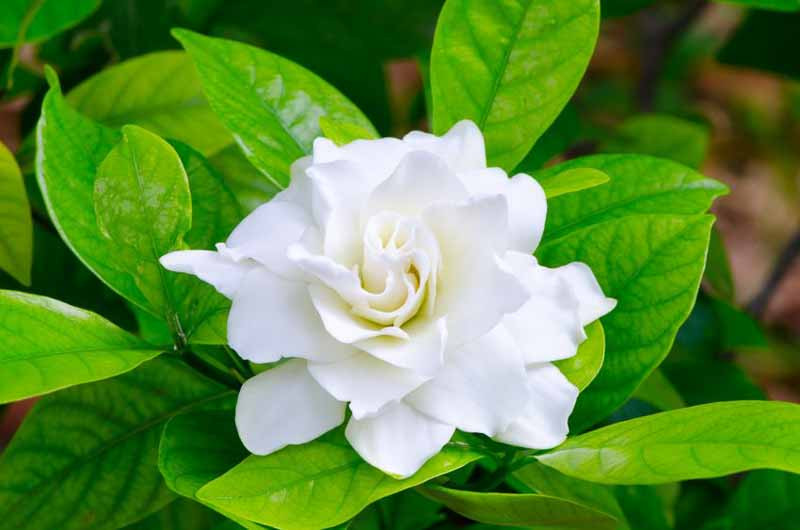
As we delve into the world of gardenias, it’s hard not to be captivated by their beauty and allure. This majestic flower has been a symbol of nobility for centuries, and its significance extends far beyond its stunning appearance.
In this article, we’ll explore the meaning behind the gardenia flower, delve into the world of gardenia cultivation, and provide expert advice on how to care for these exquisite plants.
Understanding Gardenias: The Flower and Its Significance
The gardenia is a tropical plant native to Southeast Asia, with over 200 species. However, one species stands out from the rest: Gardenia jasminoides, commonly known as the Scented Gardenia. This species is widely cultivated for its fragrant white flowers, which bloom in late spring and early summer.
But what does it mean when someone gives you a gardenia? In the language of flowers, gardenias symbolize elegance, sophistication, and refinement. They’re often associated with love, luxury, and romance.
Gardenias: A Plant Worthy of Care
Growing gardenias requires dedication and attention to detail. These plants are notorious for being finicky, but with the right care, you can enjoy their breathtaking beauty for years to come.
Here are some key things to consider when growing gardenias:
- Lighting: Gardenias prefer partial shade to full sun, depending on your location.
- Humidity: They thrive in humid environments, so be sure to mist them regularly.
- Watering: Use a well-draining potting mix and avoid overwatering. Fertilize your gardenia with an acidic fertilizer during the growing season.
Common Problems with Gardenias
Despite their beauty, gardenias are prone to several common problems. Here are some of the most frequently encountered issues:
- Non-flowering: If your gardenia isn’t producing flowers, it may be due to insufficient light or too much heat.
- Yellow leaves: Yellowing leaves can indicate overwatering, underwatering, or nutrient deficiencies.
- Blossoms that don’t open: If your gardenia’s blossoms aren’t opening, it could be a sign of high humidity, low temperature, or too little light.
By understanding the causes of these problems and making adjustments to your care routine, you can ensure your gardenia flourishes for years to come.
Tips for Growing Gardenias
Growing gardenias is an art that requires patience, attention to detail, and practice. Here are some expert tips to help you get started:
- Plant in the right location: Choose a spot with good air circulation and protection from strong winds.
- Use the right potting mix: Select a well-draining potting mix specifically designed for acid-loving plants like gardenias.
- Water correctly: Water your gardenia regularly, but avoid overwatering – this can lead to root rot.
Propagation of Gardenias
Gardenias are difficult to propagate due to their sensitive nature. However, there are a few methods you can try:
- Division: Divide the roots of an established plant into smaller sections and replant them in new pots.
- Seed: Plant gardenia seeds indoors in well-draining seed starting mix. Keep the soil warm and moist until germination occurs.
Pest and Disease Control
Gardenias can be susceptible to pests and diseases, so it’s essential to take preventative measures:
- Fungus: Treat fungal infections with fungicides specifically designed for acid-loving plants like gardenias.
- Aphids: Use neem oil or insecticidal soap to control aphid infestations.
Conclusion
Growing gardenias is a rewarding experience that requires dedication and care. By understanding their needs, recognizing common problems, and following expert tips, you can enjoy the beauty of these stunning flowers for years to come.
Here are some frequently asked questions about growing gardenias:
- Q: How often should I water my gardenia?
A: Water your gardenia regularly, but avoid overwatering – this can lead to root rot. - Q: Why won’t my gardenia produce flowers?
A: If your gardenia isn’t producing flowers, it may be due to insufficient light or too much heat. Check the temperature and humidity levels in your home and adjust accordingly. - Q: What type of fertilizer should I use for my gardenia?
A: Use an acidic fertilizer specifically designed for acid-loving plants like gardenias. - Q: Can I grow gardenias indoors?
A: Yes, but make sure to provide the right conditions – including sufficient light and humidity.
By following these expert tips and advice, you can create a beautiful and thriving gardenia plant that will bring joy and elegance to your home for years to come.


