
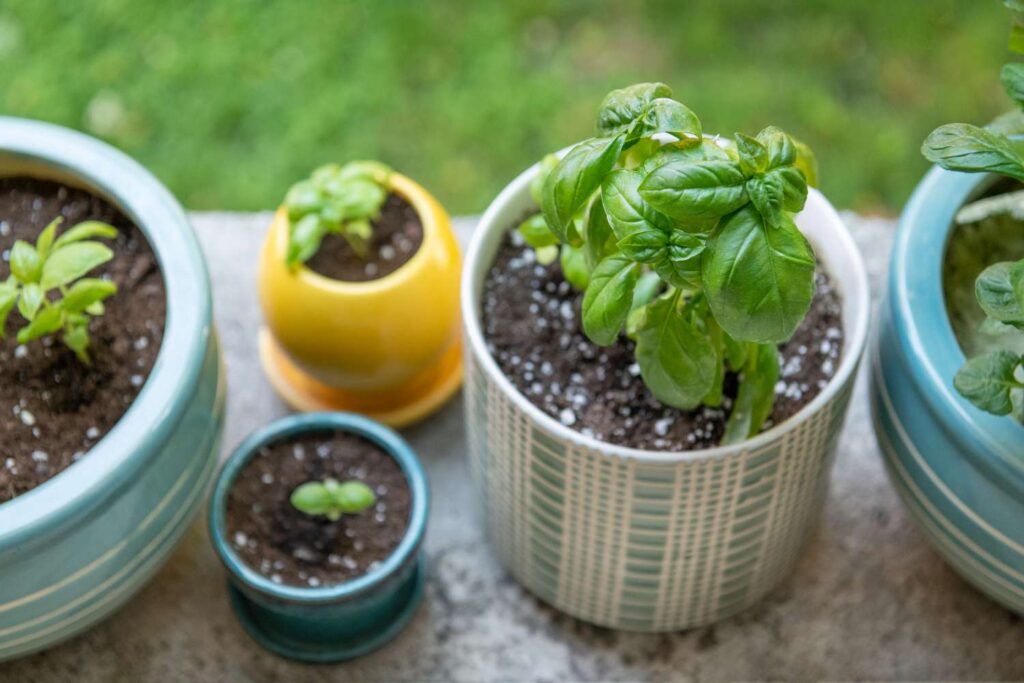
Are you looking to add a touch of Mediterranean flair to your cooking with fresh basil? Look no further! Growing basil in pots is a simple and rewarding process that can be enjoyed by anyone, regardless of their gardening experience. In this article, we’ll take you through the steps necessary to cultivate delicious and fragrant basil right from your own home.
Why Grow Basil at Home?
Basil is one of the most popular herbs used in Mediterranean cuisine, and for good reason. Its unique aroma adds depth and complexity to a wide range of dishes, from salads to sauces. By growing your own basil, you’ll have access to fresh, fragrant leaves whenever you need them. Plus, it’s easy on the wallet!
In addition to its culinary uses, basil has several other benefits that make it an attractive choice for home gardeners. For one, it’s a natural pest repellent and can be used to deter ants, aphids, and other pests from your garden. Basil is also known to have antibacterial and anti-inflammatory properties, making it a popular ingredient in traditional medicine.
Choosing the Right Basil Variety
There are two main types of basil: classic green and red (also known as “basilico rosso”). The red variety has a slightly sweeter flavor and a beautiful purple tint. Both varieties can thrive in pots, but keep in mind that the red variety requires more space to grow.
If you’re new to growing basil, it’s best to start with the classic green variety. This will give you a good understanding of the plant’s needs and requirements before moving on to more challenging options like red basil.
Materials Needed
To get started, you’ll need:
- Basil seeds (either classic green or red)
- A container with good drainage (e.g., a plastic or wooden fruit box)
- Potting soil
- Small vases of terra cotta for water absorption
- Cellophane sheeting
- Elastic band
- Water spray bottle
Sowing the Seeds
When to sow your seeds? The ideal time is during the spring months (March, April, and May) or autumn. You can also grow basil in a greenhouse or indoor potting station.
- Fill your container with soft potting soil.
- Sow the seeds evenly on the surface of the soil.
- Cover the seeds with a thin layer of soil.
- Water the soil gently but thoroughly.
- Place a sheet of cellophane over the container to maintain humidity and promote germination.
- Secure the cellophane with an elastic band.
Caring for Your Basil Plant
After 7-10 days, remove the cellophane and allow your seedlings to grow. Transplant them into individual pots filled with fresh potting soil. Water gently but thoroughly.
Here are some additional tips to keep in mind:
- Use a well-draining potting mix to prevent waterlogged soil.
- Keep your basil plant in a sunny spot (at least 4-6 hours of direct sunlight).
- Maintain consistent humidity levels around your basil plant.
- Prune your basil regularly to encourage bushy growth and prevent flowering.
Pruning Basil
Pruning is an essential part of basil care. Not only does it promote healthy growth, but it also helps to maintain the plant’s shape and size. Here are some tips on how to prune your basil:
- Pinch off individual leaves or stems as needed.
- Trim back overgrown branches to encourage new growth.
- Remove flower buds (or “cime”) as they appear to promote healthy growth.
Pest Control
Basil is a popular ingredient in many pest control remedies. In addition to its natural pest repellent properties, basil can also be used to repel aphids and other pests from your garden. Here are some tips on how to use basil for pest control:
- Plant basil near the affected areas of your garden.
- Make a tea by steeping dried basil leaves in water and spray it on the affected plants.
- Add fresh basil leaves to your compost pile.
Common Problems
Like any other plant, basil can be susceptible to certain problems. Here are some common issues that you may encounter:
- Pests: Aphids, whiteflies, and spider mites can all target basil plants. Use neem oil or insecticidal soap to control infestations.
- Diseases: Powdery mildew, leaf spot, and root rot are all potential diseases that can affect basil plants. Use fungicides or improve air circulation around your plant.
- Nutrient deficiencies: Basil requires adequate nutrients to grow well. Check the pH level of your soil and add necessary fertilizers.
Harvesting Your Basil
Once your basil is ready, it’s time to harvest! Use scissors or pinch off individual leaves to avoid damaging the plant. Remove the flowers (or “cime”) as they appear to promote healthy growth.
Here are some additional tips on how to harvest your basil:
- Harvest individual leaves or stems for salads and cooking.
- Trim back overgrown branches to encourage new growth.
- Dry fresh basil leaves to make dried basil for later use.
Conclusion
Growing basil in pots is a fun and rewarding experience that can add fresh flavor to any dish. With these simple steps and tips, you’ll be enjoying delicious homegrown basil in no time! Whether you’re a seasoned gardener or just starting out, growing basil in pots is an easy and accessible way to enjoy this popular herb.
Tips for Success
Here are some additional tips that can help you succeed with growing basil in pots:
- Keep your soil consistently moist: Basil prefers well-draining soil that’s kept consistently moist.
- Provide adequate sunlight: Basil needs at least 4-6 hours of direct sunlight per day.
- Maintain good air circulation: Air circulation helps to prevent fungal diseases and promotes healthy growth.
- Fertilize regularly: Use a balanced fertilizer to promote healthy growth.
Common Mistakes
Here are some common mistakes that beginners make when growing basil in pots:
- Overwatering: Basil doesn’t like wet feet, so be careful not to overwater your plant.
- Underwatering: On the other hand, basil needs consistent moisture to grow well. Make sure to water your plant regularly.
- Lack of pruning: Pruning is essential for promoting healthy growth and preventing flowering.
Growing Basil Indoors
While basil can be grown outdoors in pots, it’s also possible to grow it indoors. Here are some tips on how to grow basil indoors:
- Use a sunny windowsill: Basil needs at least 4-6 hours of direct sunlight per day.
- Choose a bright location: A south-facing window is ideal for growing basil indoors.
- Provide adequate air circulation: Good air circulation helps to prevent fungal diseases and promotes healthy growth.
Growing Basil in a Greenhouse
Greenhouses can provide the perfect environment for growing basil. Here are some tips on how to grow basil in a greenhouse:
- Use a sunny location: A south-facing wall is ideal for growing basil in a greenhouse.
- Maintain good air circulation: Good air circulation helps to prevent fungal diseases and promotes healthy growth.
- Keep your soil consistently moist: Basil prefers well-draining soil that’s kept consistently moist.
Growing Basil in a Container Garden
Container gardens can be a great way to grow basil. Here are some tips on how to grow basil in a container garden:
- Choose a large enough container: Basil needs at least 6-8 inches of depth to grow well.
- Use a well-draining potting mix: A well-draining potting mix will help prevent waterlogged soil.
- Provide adequate sunlight: Basil needs at least 4-6 hours of direct sunlight per day.
Growing Basil in a Hanging Basket
Hanging baskets can be a great way to grow basil. Here are some tips on how to grow basil in a hanging basket:
- Choose a large enough basket: Basil needs at least 6-8 inches of depth to grow well.
- Use a well-draining potting mix: A well-draining potting mix will help prevent waterlogged soil.
- Provide adequate sunlight: Basil needs at least 4-6 hours of direct sunlight per day.
Growing Basil in a Vertical Garden
Vertical gardens can be a great way to grow basil. Here are some tips on how to grow basil in a vertical garden:
- Choose a large enough planter: Basil needs at least 6-8 inches of depth to grow well.
- Use a well-draining potting mix: A well-draining potting mix will help prevent waterlogged soil.
- Provide adequate sunlight: Basil needs at least 4-6 hours of direct sunlight per day.
Growing Basil in a Hydroponic System
Hydroponic systems can be a great way to grow basil. Here are some tips on how to grow basil in a hydroponic system:
- Choose a nutrient-rich solution: Basil requires a balanced fertilizer to promote healthy growth.
- Provide adequate light: Basil needs at least 4-6 hours of direct sunlight per day.
- Maintain good air circulation: Good air circulation helps to prevent fungal diseases and promotes healthy growth.
Growing Basil in an Aquaponic System
Aquaponic systems can be a great way to grow basil. Here are some tips on how to grow basil in an aquaponic system:
- Choose a nutrient-rich solution: Basil requires a balanced fertilizer to promote healthy growth.
- Provide adequate light: Basil needs at least 4-6 hours of direct sunlight per day.
- Maintain good water quality: Good water quality is essential for the health and well-being of your basil plant.
Conclusion
Growing basil in pots is a fun and rewarding experience that can add fresh flavor to any dish. With these simple steps and tips, you’ll be enjoying delicious homegrown basil in no time! Whether you’re a seasoned gardener or just starting out, growing basil in pots is an easy and accessible way to enjoy this popular herb.
Additional Resources
Here are some additional resources that can help you grow basil in pots:
- Basil Growing Guide: Check out our comprehensive guide on how to grow basil.
- Basil Recipes: Find delicious recipes that use fresh basil as a main ingredient.
- Basil Care Tips: Get tips and advice on how to care for your basil plant.
Disclaimer
The information provided in this article is for general guidance only. Basil can be grown indoors or outdoors, depending on the climate and region you live in. Make sure to research local growing conditions before planting your basil.


