
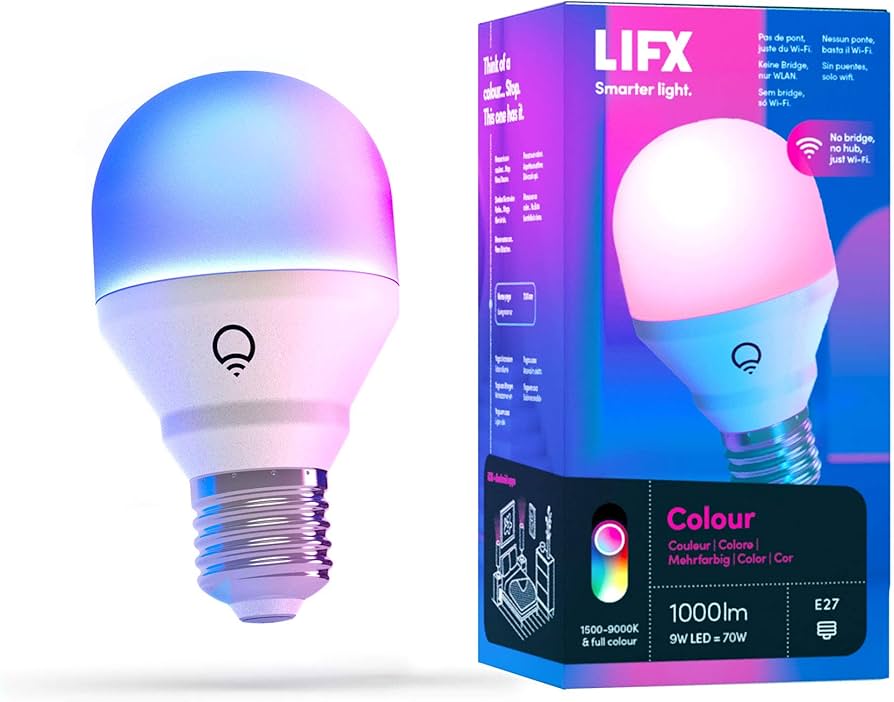
The world of lighting has undergone a significant transformation in recent years, and one of the most exciting developments is the rise of smart lighting. In this article, we’ll explore the concept of smart lighting, its benefits, and how it’s changing the way we live and work.
What is Smart Lighting?
Smart lighting refers to the use of technology to control and automate lighting systems. It involves the integration of sensors, software, and hardware to create a connected lighting system that can be controlled remotely using smartphones or voice assistants.
The LIFX Project: Revolutionizing Home and Office Lighting
One project that has gained significant attention in the smart lighting space is LIFX, a Wi-Fi enabled LED lamp designed by the center LIFX Labs in San Francisco. The project was launched on Kickstarter with an ambitious goal of reinventing traditional lamps.
Key Features of LIFX
So, what makes LIFX special? Here are some key features that set it apart from conventional lighting:
- Multi-color LED lamp: LIFX features a multicolor LED light that can be adjusted to create different ambiance and moods.
- Control via smartphone or voice assistant: The lamp can be controlled remotely using an iPhone OS or Android device, as well as compatible voice assistants like Amazon Alexa or Google Assistant.
- Adjustable brightness and color temperature: Users can adjust the brightness and color temperature of the light to suit their needs.
How Does LIFX Work?
Using a dedicated app, users can control various aspects of the lamp, including:
- Light intensity: Adjust the brightness of the lamp.
- Color tone: Change the color temperature of the light to suit your mood or environment.
- Schedule: Set a schedule for when you want the lamp to turn on and off.
- Match the beat: The “matches the beat” feature allows the lamp to synchronize its brightness with the music playing on your device.
Benefits of Smart Lighting
Smart lighting offers numerous benefits, including:
- Energy efficiency: By adjusting light intensity and color temperature, smart lighting can help reduce energy consumption.
- Increased convenience: Smart lighting allows for remote control and scheduling, making it easier to manage your space.
- Improved ambiance: Smart lighting can create a specific mood or atmosphere in a room.
The Future of Smart Lighting
As technology continues to evolve, we can expect smart lighting to become even more advanced. Some potential features that could emerge in the future include:
- Integration with other smart devices: Smart lighting may integrate with other smart devices, such as thermostats and security systems.
- Voice control: Voice assistants like Amazon Alexa or Google Assistant may become more integrated into smart lighting systems.
Conclusion
Smart lighting has come a long way since the introduction of LIFX. With its multicolor LED light, smartphone app, and adjustability features, it’s no wonder that smart lighting is becoming increasingly popular. As technology continues to evolve, we can expect even more innovative solutions for home and office lighting.
Frequently Asked Questions
Q: How much does the LIFX lamp cost?
A: The cost of the LIFX lamp varies depending on the model and shipping location. At Kickstarter, it was launched at $69.
Q: Can I control the lamp using a computer or tablet?
A: Yes, but only via Bluetooth.
Q: Does the LIFX lamp work with Amazon Alexa?
A: Currently available for iOS 11.2 and Android 5.x devices.
Q: How long does the battery last?
A: Up to 25 years, depending on usage.
Q: Can I control multiple lamps at once?
A: Only via iOS devices.
Q: Does LIFX offer any warranty or support?
A: Yes, LIFX offers a 2-year limited warranty and dedicated customer support.
Real-World Applications of Smart Lighting
Smart lighting has numerous applications in various industries and fields. Some examples include:
- Retail and Hospitality: Smart lighting can be used to create an immersive shopping experience for customers.
- Healthcare: Smart lighting can help regulate circadian rhythms, improving sleep quality and overall health.
- Commercial spaces: Smart lighting can reduce energy consumption and improve employee productivity in offices and other commercial settings.
Innovative Applications of Smart Lighting
As smart lighting technology continues to advance, we can expect to see even more innovative applications emerge. Some potential areas include:
- Smart windows: Windows that can adjust tint and transparency based on the time of day.
- Light-emitting furniture: Furniture that incorporates LED lights for ambient illumination.
- Laser-based lighting systems: Laser-based lighting systems that offer high-precision control over light output.
Future Trends in Smart Lighting
Several trends are expected to shape the future of smart lighting. These include:
- Increased use of IoT devices: As Internet of Things (IoT) devices become more widespread, we can expect to see a greater emphasis on integrating smart lighting with other smart devices.
- Advances in LED technology: Advancements in LED technology are expected to lead to more energy-efficient and durable lighting solutions.
- Growing importance of sustainability: As concern for the environment grows, we can expect to see more sustainable lighting options emerge.
Challenges and Limitations
While smart lighting has many benefits, it also faces several challenges and limitations. These include:
- Interoperability issues: Difficulty in integrating different smart lighting systems.
- Security concerns: Vulnerabilities in smart lighting systems that could be exploited by hackers.
- Cost barriers: High costs associated with implementing smart lighting solutions.
Conclusion
Smart lighting has come a long way since its introduction. With the rise of LIFX and other innovative projects, we can expect to see even more exciting developments in the future. As technology continues to evolve, we’ll need to address challenges and limitations while embracing new opportunities for home and office lighting.


