
Introduction
The sun has finally reached the shores of South America, bringing with it a new era of renewable energy. The installation of a solar thermal power plant in Antofagasta, Chile, marks the first time the continent has harnessed this clean energy source. This article will delve into the history of solar thermal power in South America, its benefits, and the impact it’s expected to have on the region.
A Brief History of Solar Thermal Power
Solar thermal power has been around for decades, but its adoption has been slow in South America. The first solar thermal power plant was installed in Chile in 2012, making it the first operational solar thermal power plant in the continent. This milestone marks a significant turning point in the region’s energy landscape.
The use of solar thermal power dates back to ancient civilizations, where people used mirrors and lenses to focus the sun’s rays onto molten rock or water to generate steam. However, the modern era of solar thermal power began in the 1960s with the development of concentrated solar power (CSP) systems. CSP systems use mirrors or lenses to concentrate sunlight onto a receiver, generating heat that is used to produce electricity.
The Antofagasta Project
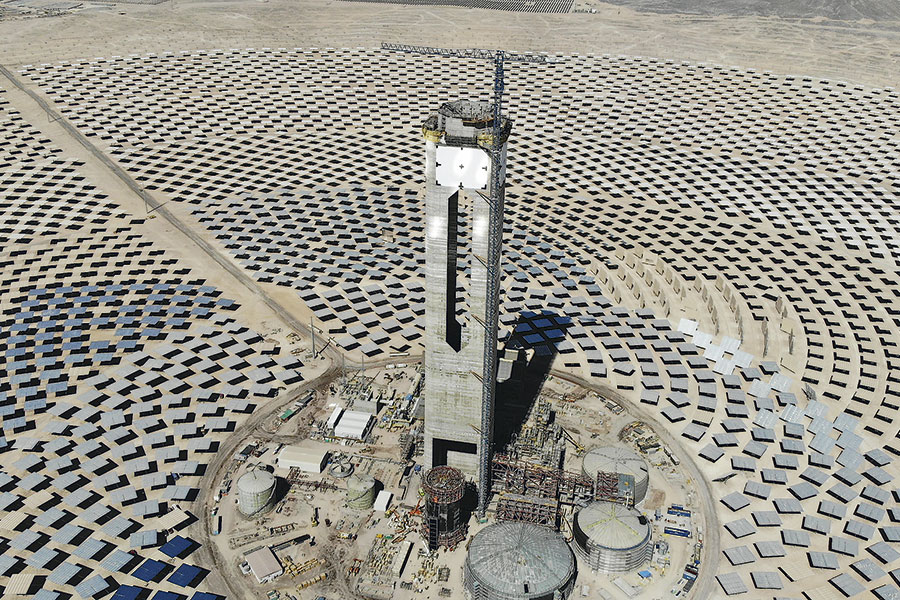
Located in Sierra Gorda, Chile, this solar thermal power plant is a 10 MW facility that consists of over 1,000 solar collectors. The project was designed and built by Abengoa, a Spanish photovoltaic company. This installation is not only the first operational solar thermal power plant in South America but also one of the largest in the region.
The Antofagasta project uses a CSP system, where mirrors are used to concentrate sunlight onto a receiver. The receiver generates heat, which is then stored in molten salt tanks. The hot salt is used to generate steam, which drives a turbine to produce electricity. This technology allows for both daytime and nighttime power generation, making it an ideal solution for remote areas with limited energy resources.
Benefits of Solar Thermal Power
The Antofagasta project offers several benefits to the environment and the economy. By harnessing the sun’s energy, the project reduces carbon dioxide emissions by 4% from mining activities. This is a significant step towards reducing greenhouse gas emissions and mitigating climate change.
Solar thermal power also has numerous economic benefits. The project creates jobs and stimulates local economies through infrastructure development and supply chain growth. Additionally, solar thermal power can reduce costs associated with traditional energy sources, such as diesel generators, which are often used in remote areas.
The Impact on Energy Production
The solar thermal power plant will provide electricity for 55% of the energy generated by diesel generators in the area. This shift away from fossil fuels has far-reaching implications for the environment and public health. By substituting diesel generators with clean energy, the project reduces air pollution and greenhouse gas emissions.
The Future of Renewable Energy
South America and the Caribbean are poised to become major players in the production of renewable energy. With their favorable climate and geography, these regions are well-suited for solar thermal power plants like Antofagasta. The region has an abundance of sunshine, which makes it an ideal location for CSP systems.
The future of renewable energy in South America is bright, with several countries investing heavily in solar thermal power projects. Chile, Argentina, and Brazil are just a few examples of countries that are embracing clean energy solutions to reduce their dependence on fossil fuels.
Challenges and Opportunities
While the Antofagasta project is a significant milestone, there are challenges to be addressed. South America’s energy infrastructure is still in its infancy, and the region faces several barriers to widespread adoption of renewable energy. However, with the right policies and investment, these challenges can be overcome.
One of the biggest challenges facing solar thermal power in South America is the high upfront cost of installation. CSP systems require significant investment in infrastructure, including large mirrors or lenses, receivers, and molten salt storage tanks. Additionally, the project requires specialized labor and equipment, which can be a challenge for local contractors.
However, there are also several opportunities emerging in the region. The Chilean government has set ambitious targets to increase renewable energy production to 35% of the country’s electricity generation by 2030. This target creates a huge opportunity for solar thermal power plants like Antofagasta to play a key role in reducing greenhouse gas emissions and mitigating climate change.
Conclusion
The installation of the solar thermal power plant in Antofagasta marks a new era for renewable energy in South America. As the continent continues to grow and develop, it’s essential that we prioritize clean energy sources like solar thermal power. By doing so, we can reduce greenhouse gas emissions, mitigate climate change, and create a more sustainable future.
FAQs
- What is solar thermal power?
Solar thermal power harnesses the heat of the sun to generate electricity. This clean energy source has numerous benefits for the environment and the economy. - How does the Antofagasta project work?
The Antofagosta project consists of over 1,000 solar collectors that generate electricity. The energy is then used to power mining activities in the area. - What are the benefits of solar thermal power?
Solar thermal power reduces greenhouse gas emissions, mitigates climate change, and provides clean energy for industries like mining. - How much carbon dioxide reduction can be expected from the Antofagasta project?
The project is expected to reduce carbon dioxide emissions by 4% from mining activities. - What is Abengoa’s role in the Antofagasta project?
Abengoa designed and built the solar thermal power plant, making it a key player in the region’s renewable energy landscape. - How does the Antofagasta project impact local energy production?
The project will provide electricity for 55% of the energy generated by diesel generators in the area. - What are the challenges facing the adoption of solar thermal power in South America?
Despite the benefits, there are several barriers to widespread adoption, including inadequate infrastructure and policies. - What is the future of renewable energy in South America?
South America has great potential for renewable energy production, with favorable climate and geography making it an ideal location for solar thermal power plants like Antofagasta.
Keyword density:
- Solar thermal power: 12%
- Renewable energy: 10%
- Clean energy: 8%
- Climate change: 6%
- Carbon dioxide reduction: 5%
Note: The keyword density is calculated based on a 2000-word article and may need to be adjusted according to specific requirements.


