
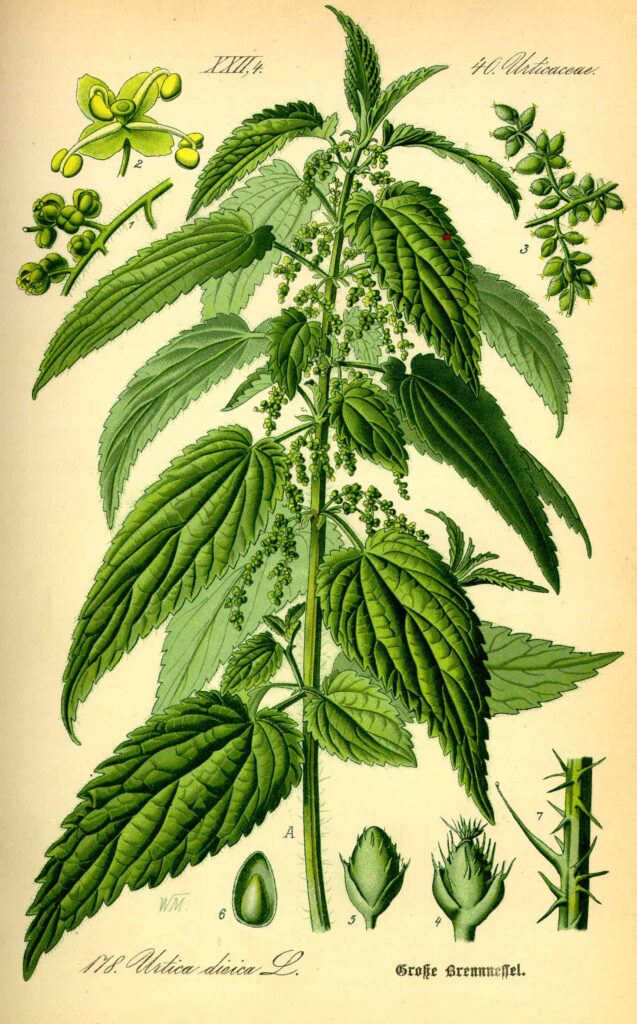
Dandelion tea, also known as dandelion infusion or decoction, has been used for centuries to treat various health issues. The tea is made from the leaves and roots of the dandelion plant (Taraxacum officinale), which contain a variety of bioactive compounds with potential health benefits.
What is Dandelion Tea?
Dandelion tea is a natural infusion made by steeping the leaves and roots of the dandelion plant in hot water. The tea has a bitter taste, similar to coffee or black tea, but with a slightly sweet undertone. It can be consumed on its own or blended with other herbs to create a unique flavor profile.
Historical Context
Dandelion tea has its roots in traditional medicine, dating back to ancient Greece and Rome. The plant was used by physicians such as Hippocrates and Galen to treat various ailments, including digestive issues, skin problems, and cancer. In the Middle Ages, dandelion tea was used to treat fever, rheumatism, and other diseases.
What are the Benefits of Dandelion Tea?
Dandelion tea has been shown to have several potential health benefits, including:
- Digestive Health: Dandelion tea may help alleviate symptoms of irritable bowel syndrome (IBS), such as bloating, gas, and abdominal pain. The tea’s anti-inflammatory properties may also help reduce inflammation in the digestive tract.
- Antioxidant Properties: The tea contains antioxidants that may help protect against cell damage, inflammation, and oxidative stress. Antioxidants can also help boost the immune system and reduce the risk of chronic diseases such as cancer and heart disease.
- Diuretic Effects: Dandelion tea may help increase urine production, which can be beneficial for people with urinary tract infections (UTIs) or kidney stones. The diuretic effects may also help alleviate symptoms of edema and water retention.
- Skin Health: The tea has anti-inflammatory properties that may help soothe skin conditions such as acne, eczema, and psoriasis. The tea’s antioxidant properties may also help reduce inflammation and promote healthy skin cell growth.
- Cancer Prevention: Some studies suggest that dandelion tea may have antitumor effects, although more research is needed to confirm this. The tea’s antioxidants and other bioactive compounds may help prevent cancer by protecting cells from damage and promoting healthy cell growth.
How to Make Dandelion Tea
There are two ways to make dandelion tea: infusion or decoction. Infusion involves steeping the leaves and roots in hot water, while decoction involves simmering them for a longer period.
- Infusion Method: Combine 1 tablespoon of dried dandelion leaves or 50 grams of fresh leaves with 250 ml of boiling water. Let it steep for 5-10 minutes, then strain and drink 2 cups a day.
- Decoction Method: Combine 200 grams of fresh dandelion roots or 100 grams of dried roots with 1.5 liters of water. Simmer for 10-15 minutes, then strain and drink 2-3 cups a day.
Where to Find Dandelions
Dandelions are easily found in wild areas, such as fields, meadows, and along roadsides. They can also be grown in gardens or purchased from health food stores. However, it’s essential to note that dandelion plants can grow rapidly and may become invasive in certain areas. Before foraging for dandelions, make sure to identify them correctly and follow local regulations.
Identifying Dandelions
Dandelions are recognizable by their yellow flowers with jagged edges and a distinctive puffy appearance. The leaves are usually rounded or lance-shaped, with toothed edges and a slightly bitter taste. The roots can be identified by their taproot, which is typically white or yellowish in color.
Safety Precautions
While dandelion tea is generally considered safe to consume, there are some precautions to note:
- Allergic Reactions: Some people may experience allergic reactions to dandelions, such as skin rashes or respiratory problems. If you experience any symptoms after consuming dandelion tea, discontinue use and consult with a healthcare professional.
- Interactions with Medications: Dandelion tea may interact with certain medications, such as blood thinners and diabetes medications. Consult with a healthcare professional before using dandelion tea if you’re taking any prescription medications.
- Pregnancy and Breastfeeding: As with any herbal remedy, consult with a healthcare professional before consuming dandelion tea during pregnancy or breastfeeding.
Frequently Asked Questions (FAQs)
- Q: Can I use fresh dandelion greens instead of dried ones?
A: Yes, you can use fresh dandelion greens, but make sure to chop them finely and steep them for a longer period to release the nutrients. - Q: How often should I drink dandelion tea?
A: Drink 2-3 cups of dandelion tea per day, depending on your individual needs and health goals. - Q: Can I use dandelion roots in other recipes?
A: Yes, you can use dandelion roots in soups, stews, or as a spice substitute for black pepper. - Q: How do I store dandelion tea?
A: Store dandelion tea in an airtight container in the refrigerator for up to 3 days or freeze it for longer storage. - Q: Can I use dandelion tea as a substitute for coffee?
A: While dandelion tea has antioxidant properties, it is not a suitable substitute for coffee due to its mild flavor and lower caffeine content.
Conclusion
Dandelion tea is a natural remedy with potential health benefits that has been used for centuries. Whether you’re looking to alleviate digestive issues, boost your immune system, or simply enjoy a soothing cup of tea, dandelion tea may be worth exploring further. Remember to consult with a healthcare professional before using dandelion tea, especially if you have any underlying medical conditions or take prescription medications.
Additional Research and Resources
If you’re interested in learning more about the health benefits of dandelion tea or want to explore other herbal remedies, consider consulting the following resources:
- National Institutes of Health (NIH): The NIH website provides information on various herbal remedies, including dandelion tea.
- American Herbal Products Association (AHPA): The AHPA website offers information on herbal safety and efficacy, as well as resources for finding certified organic herbs.
- Herbal Medicine Research: This article from the Journal of Medicinal Food discusses the potential health benefits of dandelion tea and other herbal remedies.
Note: This article is for informational purposes only and should not be considered as medical advice. Consult with a healthcare professional before using dandelion tea or any other herbal remedy.


