
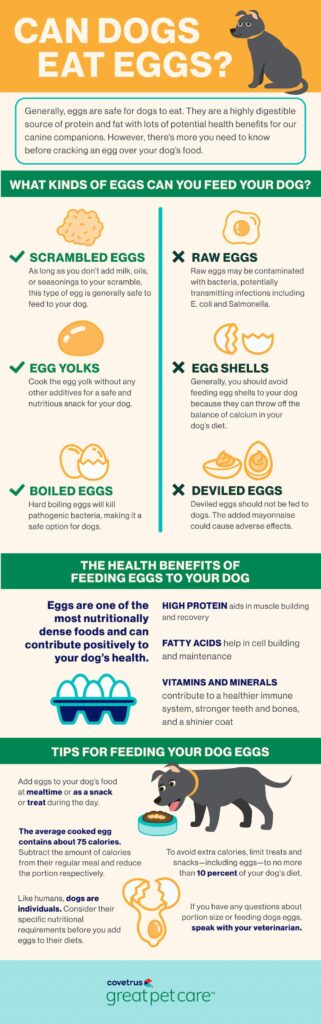
As a responsible dog owner, it’s essential to provide your furry friend with a balanced diet that meets their nutritional needs. While commercial dog food is a convenient option, many pet owners wonder if they can introduce other foods into their dog’s diet, such as eggs. In this article, we’ll delve into the benefits of eggs for dogs and explore how to prepare them safely.
The Importance of Nutrition for Dogs
Like humans, dogs require a well-balanced diet that includes protein, vitamins, and minerals to maintain optimal health. A healthy diet helps support their immune system, energy levels, and overall well-being. As dogs age, their nutritional needs change, and it’s crucial to provide them with the right foods at each life stage.
The Benefits of Eggs for Dogs
Eggs are an excellent addition to a dog’s diet due to their high protein content and various essential nutrients. Here are some benefits of eggs for dogs:
- High-quality protein: Eggs provide all nine essential amino acids that dogs need to build and repair tissues.
- Rich in vitamins and minerals: Eggs are a good source of vitamin A, Biotin, Vitamin D, Iron, and Selenium, which are crucial for maintaining healthy skin, coat, and bones.
- Supports immune system: The antioxidants and other nutrients in eggs help support your dog’s immune system.
Preparing Eggs for Your Dog
Eggs can be prepared in various ways to make them more digestible for dogs. Here are some methods:
Cooking Eggs
Cooking eggs makes the avidin, a protein that binds to biotin, less active. This reduces the risk of biotin deficiency.
- Scrambled eggs: Scramble the eggs with a fork and serve.
- Boiled eggs: Boil the eggs until the whites are set, then let them cool before serving.
- Poached eggs: Poach the eggs by cracking them into boiling water and cooking for 3-5 minutes.
Raw Eggs
Raw eggs can be safely given to dogs if they are prepared correctly.
- Cracked eggs: Crack the egg into a bowl or onto a plate and serve immediately.
- Yolk-only: Feed only the yolk, as it is rich in biotin.
The Importance of Adding Guskio
Guskio, also known as eggshells, can be added to your dog’s diet as an extra source of calcium. However, it’s essential to prepare them correctly first.
- Crush the shells: Crush the eggshells into a fine powder using a mortar and pestle or blender.
- Mix with food: Mix the crushed eggshells with your dog’s regular meal to avoid choking hazards.
Quantity of Eggs for Dogs
While eggs are nutritious, they should not replace your dog’s primary source of nutrition. A good rule of thumb is to limit egg consumption to 1-2 times per week, depending on your dog’s size and activity level.
- Small breeds: Limit egg consumption to once a week.
- Medium breeds: Limit egg consumption to twice a week.
- Large breeds: Limit egg consumption to three times a week.
Additional Health Benefits of Eggs for Dogs
Eggs can provide additional health benefits when fed in moderation. Some of these benefits include:
- Skin and coat health: The protein, vitamins, and minerals in eggs help maintain healthy skin and coat.
- Reduced shedding: Regular egg consumption may reduce shedding in dogs.
- Improved dental health: Eggs contain choline, which can help improve dental health.
Potential Risks of Eggs for Dogs
While eggs are generally safe for dogs to consume, there are some potential risks to be aware of. These include:
- Allergies: Some dogs may develop an allergy or intolerance to eggs.
- Biotin deficiency: If not cooked properly, raw eggs can cause a biotin deficiency in dogs.
- Choking hazards: Whole eggs or eggshells can be a choking hazard for small breeds.
Conclusion
In conclusion, eggs can be a nutritious and healthy addition to your dog’s diet. However, it’s essential to prepare them safely and in moderation. By following the guidelines outlined in this article, you can provide your furry friend with the benefits of eggs while minimizing potential risks.
FAQs
- Can I give my dog raw egg yolks?: Yes, but make sure they are fresh and not past their expiration date.
- How often should I feed my dog eggs?: Limit egg consumption to 1-2 times per week, depending on your dog’s size and activity level.
- Can I mix cooked eggs with raw eggs?: No, it’s best to cook the eggs separately to ensure food safety.
References
- National Research Council. (2006). Nutrient Requirements of Dogs. National Academy Press.
- American Kennel Club. (n.d.). Dog Nutrition 101. Retrieved from https://www.akc.org/expert-advice/lifestyle/dog-nutrition-101/
- PetMD. (n.d.). Eggs for Dogs: Are They Safe? Retrieved from https://www.petmd.com/dog/nutrition/e_gg_02-e-cgi
By following this comprehensive guide, you can provide your dog with the benefits of eggs while maintaining a balanced and healthy diet.


