
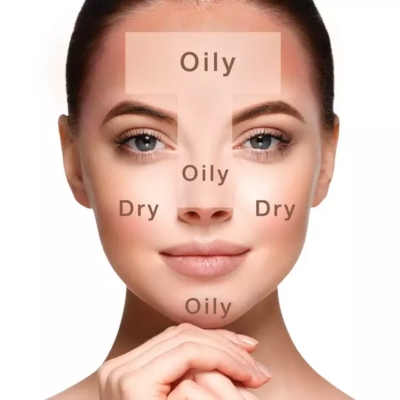
As we attend to our skin, there’s a crucial area that often gets overlooked – the “T” zone. This spot, situated from the bridge of the nose down to the chin, is notoriously prone to oiliness, acne, and irritation. But why is it so problematic? Let’s dive into the world of facial care and explore how to tackle this tricky area.
The Anatomy of the T Zone
The “T” zone is more than just a shape; it’s an imaginary boundary that marks the transition from oily to dry skin. This region is particularly susceptible to blackheads, whiteheads, and acne due to its unique combination of sebum production, sweat, and bacteria. Understanding this anatomy will help you approach your facial care routine with a clear understanding of what your skin needs.
The Connection Between Lifestyle and Skin Health
A healthy lifestyle has a direct impact on the health of your skin. A diet high in processed foods, sugar, and dairy can lead to inflammation and acne breakouts in the “T” zone. By making simple changes to your eating habits, such as incorporating more fruits, vegetables, and whole grains, you can significantly improve your skin’s overall health.
Hydration: The Key to Balanced Skin
Contrary to popular belief, hydration is not just about drinking plenty of water. It’s also essential for maintaining a healthy “T” zone. Over-washing or using the wrong products can strip your skin of its natural oils, leading to dryness and irritation. On the other hand, an overabundance of oil production can clog pores and lead to breakouts.
Natural Remedies for a Balanced T Zone
- Apple Cider Vinegar: This miracle worker can help balance your skin’s pH levels, reduce inflammation, and minimize acne.
- Green Tea: The antioxidants in green tea have anti-inflammatory properties that can soothe and calm irritated skin.
- Aloe Vera: Aloe vera has antiseptic and anti-inflammatory properties that can help heal wounds and reduce redness.
Exfoliating for a Brighter T Zone
Regular exfoliation is essential for removing dead skin cells, unclogging pores, and promoting cell turnover. However, be gentle when it comes to your “T” zone – avoid using harsh products or excessive scrubbing, which can irritate the delicate skin in this area.
The Importance of a Healthy Diet
A balanced diet rich in fruits, vegetables, whole grains, and lean proteins is essential for maintaining healthy skin. Foods high in sugar, dairy, and processed ingredients can lead to inflammation and acne breakouts.
Picking Up on Signs of Imbalance
Pay attention to your body’s warning signs – if you notice increased oil production, redness, or irritation in the “T” zone, it may be time to make some changes. Keep an eye out for:
- Clogged pores: If you see blackheads or whiteheads forming, it’s a sign that your skin needs more exfoliation.
- Redness and inflammation: If your skin is consistently red or inflamed in the “T” zone, it may be due to irritation from products or environmental factors.
Taking Care of Your T Zone
With the right approach, your “T” zone can become a thing of the past. Here are some tips for keeping this area looking its best:
- Use gentle, oil-free products: Avoid using heavy moisturizers or makeup that can clog pores and exacerbate acne.
- Exfoliate regularly: Use a gentle exfoliating scrub or a chemical exfoliant containing alpha-hydroxy acids (AHAs) or beta-hydroxy acids (BHAs) to keep your skin looking bright and clear.
- Stay hydrated: Drink plenty of water throughout the day to help flush toxins out of your body and maintain healthy skin.
Common Mistakes to Avoid
- Over-exfoliating: Be gentle when exfoliating, as over-exfoliation can lead to irritation, dryness, and even scarring.
- Using harsh products: Avoid using products that contain sulfates, parabens, or other irritating ingredients on your “T” zone.
- Not drinking enough water: Dehydration can lead to oiliness, acne, and other skin issues in the “T” zone.
Conclusion
Mastering your “T” zone requires patience, dedication, and a willingness to listen to your skin. By making simple changes to your lifestyle, diet, and skincare routine, you can transform this once-troubled area into a radiant, healthy-looking zone that makes you feel confident and beautiful.
Frequently Asked Questions
- What causes acne in the T Zone?
Acne in the “T” zone is often caused by a combination of factors, including over-washing, using the wrong products, and hormonal imbalances. - How can I prevent blackheads and whiteheads?
To prevent blackheads and whiteheads, exfoliate regularly, use gentle products, and avoid picking or squeezing pimples. - What’s the best way to get rid of blackheads and whiteheads?
For removing blackheads and whiteheads, try using a warm compress, a clay mask, or a salicylic acid treatment. - Can I use harsh products on my T Zone?
No, avoid using harsh products or excessive scrubbing in the “T” zone – it can cause irritation, dryness, and even scarring.
By understanding your skin’s needs and taking proactive steps to maintain a healthy lifestyle, you can transform your “T” zone into a vibrant, radiant area that makes you feel confident and beautiful.


