
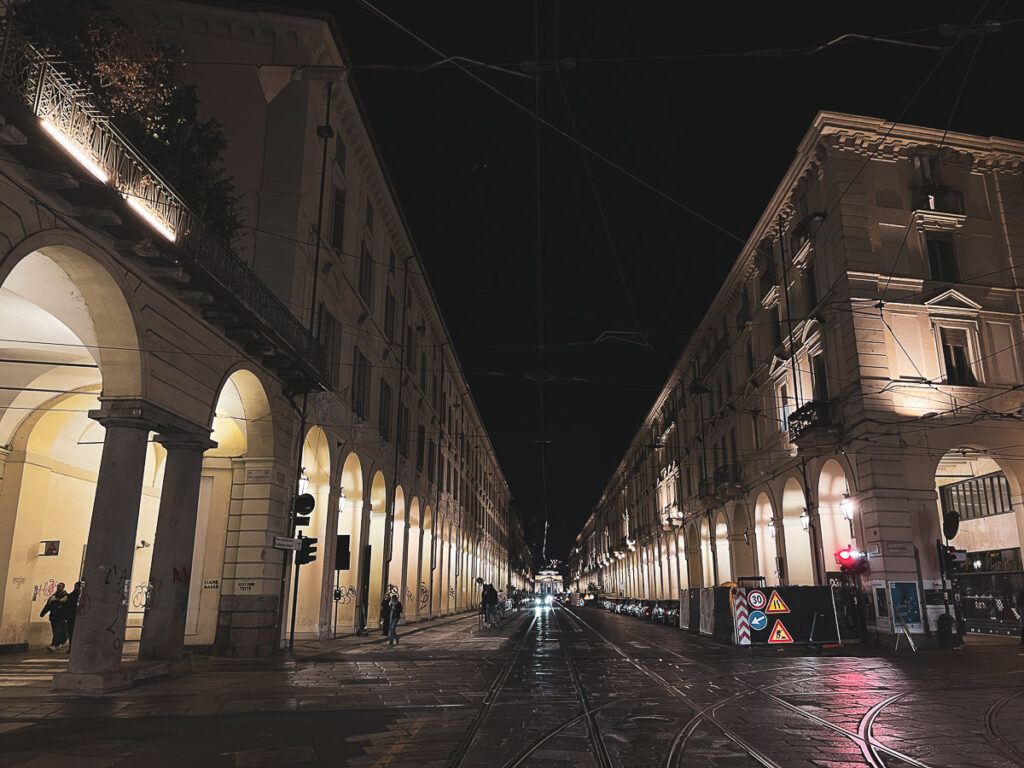
We often talk about Smart Cities, cities that are intelligent and tailored to humans. But what does it mean for a city to be truly sustainable? A Smart City is not just about being eco-friendly, technologically advanced, and interconnected – it’s about revolutionizing the way we live in our cities by reorganizing public spaces to make them livable again.
A Smart City has a transportation system that reduces harmful emissions, with innovative private and public transport options. These cities also boast excellent e-government services and digital communication systems, which means goodbye to frustrating queues for administrative tasks.
So what does this have to do with Turin? There’s a project in the pipeline that’s about to take shape. The Interporto of Turin is being transformed into an intelligent platform for managing the territory. The mission aims to significantly reduce energy consumption and enable services with added value related to environmental sustainability. The solutions for Smart Cities have been “revised” and “adapted” to meet the needs of the Turinese area.
What Actions Will Be Taken in the Short Term?
The following actions are planned:
- Energy Efficiency Containment: Energy efficiency at the Interporto will be achieved by improving energy contracts that ensure the safety of the entire area. In concrete terms, this means addressing lighting public fixtures, with a total of 386 lighting points included in the Torri Lighthouse.
- Public Safety Reinforcement: The current telecontrol system will be strengthened by implementing cameras with corresponding transmitters/receivers. Where necessary, existing license plate readers will be upgraded.
- Free Wi-Fi Service: A free Wi-Fi service is planned for use at the Interporto.
- Info Point Installation: Info Points are also being installed.
The Turin Interporto (managed by S.I.TO S.p.a) covers an area of 3 million square meters and spans across the communes of Torino, Rivoli, Rivalta, Grugliasco, and Orbassano. With the application of management strategies, efficiency, and intelligent mobility, the Interporto can take the first steps towards becoming a true Smart City unit. To talk about a real Smart City, we would need to plan comprehensive energy supply with solar panels and infrastructure for spreading intelligent mobility.
But much is still to be done! The Turin Interporto is undoubtedly on the right track!
What Are the Benefits of Smart Cities?
Smart Cities offer numerous benefits, including:
- Reduced stress and improved well-being: By providing citizens with efficient public services, reduced traffic congestion, and cleaner air, Smart Cities can improve overall quality of life.
- Efficient use of resources and reduced energy consumption: Smart Cities implement sustainable practices and technologies that minimize waste and reduce the carbon footprint.
- Enhanced public safety through advanced surveillance systems: With cameras and sensors monitoring areas, citizens feel safer while walking or driving.
- Increased accessibility to services and information: Digital platforms provide citizens with easy access to administrative tasks, such as paying bills or renewing licenses.
But what does it mean for individuals to live in a Smart City?
A Smart City Is a Sustainable City
A city that is truly sustainable must provide its citizens with a high quality of life, environmental balance, and economic stability. A Smart City can achieve this by integrating technology into all aspects of urban planning, providing citizens with tools to manage their daily lives more efficiently.
In Turin, the Interporto project represents a significant step towards creating a Smart City that is environmentally friendly, technologically advanced, and tailored to the needs of its citizens. By working together, we can build a sustainable future for our cities!
Frequently Asked Questions
-
What does a Smart City mean?
A Smart City is an urban environment where technology is integrated into all aspects of city planning to improve quality of life, environmental sustainability, and economic stability. -
What benefits do Smart Cities offer?
Smart Cities offer numerous benefits, including reduced stress and improved well-being, efficient use of resources and reduced energy consumption, enhanced public safety through advanced surveillance systems, and increased accessibility to services and information. -
How does the Interporto project in Turin contribute to creating a Smart City?
The Interporto project aims to significantly reduce energy consumption, enable services with added value related to environmental sustainability, and strengthen public safety through advanced surveillance systems. -
What kind of technology will be used in the Interporto project?
The Interporto project will utilize innovative transportation systems, digital communication platforms, and smart technologies such as telecontrol and surveillance systems to manage the territory efficiently. -
How can citizens benefit from a Smart City?
Citizens can benefit from a Smart City by having access to efficient public services, reduced stress due to improved mobility options, and enhanced safety through advanced surveillance systems. -
What role does sustainability play in creating a Smart City?
Sustainability is the driving force behind creating a Smart City. It involves integrating technology into urban planning to reduce energy consumption, promote eco-friendly practices, and provide citizens with tools to manage their daily lives more efficiently. -
Can any city become a Smart City?
Any city can become a Smart City by adopting innovative technologies and strategies that improve quality of life, environmental sustainability, and economic stability. -
What is the future of smart cities?
The future of Smart Cities lies in the integration of technology into urban planning to create sustainable, efficient, and livable environments for citizens.
Challenges Ahead
While the Interporto project is a significant step towards creating a Smart City, there are still challenges to be addressed. These include:
- Infrastructure Development: The development of infrastructure such as fiber optic cables and solar panels will require significant investment.
- Public Awareness: Raising public awareness about the benefits of smart technologies and sustainable practices is crucial for successful implementation.
- Regulatory Frameworks: Governments must create regulatory frameworks that support innovation and entrepreneurship in Smart City initiatives.
Conclusion
The Turin Interporto project represents a beacon of hope for creating a truly sustainable and efficient urban environment. By integrating technology into urban planning, reducing energy consumption, and enhancing public safety, the city can become a model for future generations. As we look to the future, it’s essential that we continue to innovate and adapt our strategies to address the challenges ahead.
In the words of Tony Seba, author of “Clean Disruption of Energy and Carbon Markets”: “We are at an inflection point in human history… We can either continue down the path of destruction or choose a new trajectory.” The Turin Interporto project offers a glimmer of hope for the latter. By working together, we can create a sustainable future for our cities, where technology and innovation drive positive change.
The Impact of Smart Cities on Urban Planning
Smart Cities have revolutionized urban planning by incorporating cutting-edge technologies to optimize resource usage, reduce waste, and enhance public safety. Some key strategies include:
- Compact City Design: Compact city designs reduce the need for transportation infrastructure, decreasing congestion and emissions.
- Mixed-Use Development: Mixed-use development encourages walking, cycling, and other forms of active transportation, reducing reliance on cars.
- Green Infrastructure: Green infrastructure such as parks, gardens, and green roofs help mitigate urban heat islands and improve air quality.
The Role of Technology in Smart Cities
Technology plays a critical role in the success of Smart Cities by providing citizens with tools to manage their daily lives efficiently. Some key technologies include:
- Smart Grids: Smart grids optimize energy distribution, reducing waste and increasing efficiency.
- Internet of Things (IoT): IoT devices connect citizens to public services, enabling real-time information and enhanced convenience.
- Artificial Intelligence (AI): AI analytics analyze data from various sources to provide insights on urban planning and resource management.
The Importance of Collaboration
Collaboration is essential for the success of Smart City initiatives. Cities must work with various stakeholders, including government agencies, private companies, and citizens, to ensure that all aspects of urban planning are considered.
- Public-Private Partnerships: Public-private partnerships can facilitate investment in infrastructure development and innovation.
- Citizen Engagement: Citizen engagement is critical for ensuring that Smart City initiatives meet the needs and expectations of local residents.
- Data Sharing: Data sharing between agencies and private companies can help optimize resource usage and improve public safety.
The Future of Sustainable Cities
As cities continue to grow, sustainability becomes increasingly important. The Turin Interporto project represents a significant step towards creating sustainable urban environments that are livable, efficient, and environmentally friendly. By integrating technology into urban planning, reducing energy consumption, and enhancing public safety, the city can become a model for future generations.
In conclusion, the Sustainable Lightness of the Turin Interporto is a shining example of how cities can transform their infrastructure to create sustainable, efficient, and livable environments. As we move forward, it’s essential that we continue to innovate and adapt our strategies to address the challenges ahead.


