
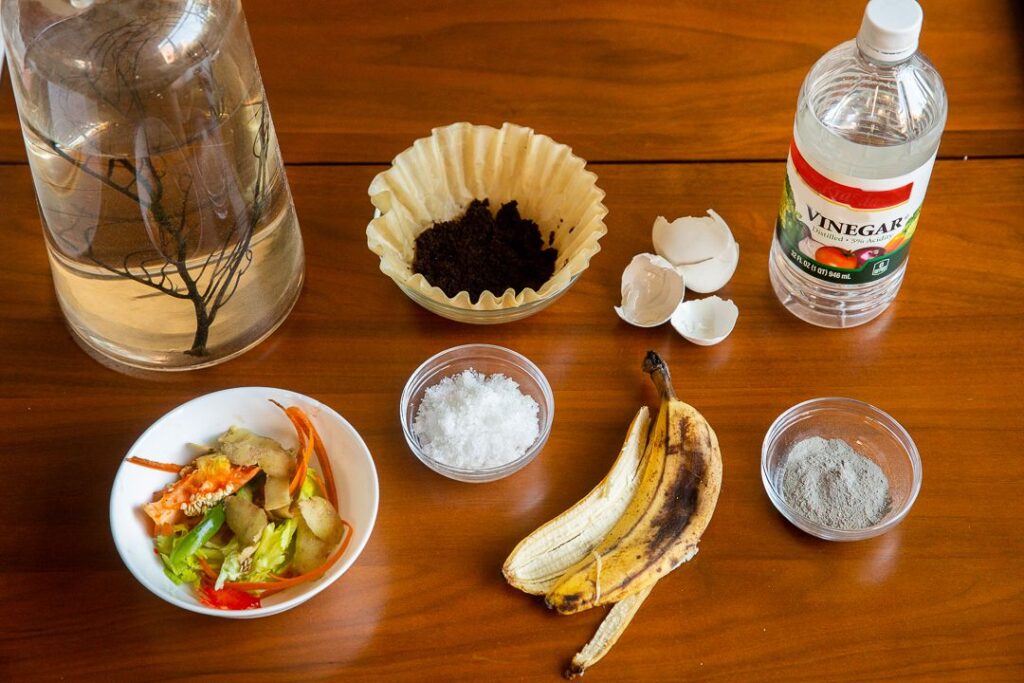
As a gardener, you’re probably familiar with the concept of composting. However, have you ever stopped to think about why it’s so important? In this article, we’ll delve into the benefits of natural compost and provide you with a detailed guide on how to create your own fertilizer.
What is Compost?
Compost is made up of organic materials that are broken down by microorganisms into a nutrient-rich substance. This process happens naturally in the ground, but it can also be replicated at home using simple techniques. The resulting compost is an excellent natural fertilizer for plants, providing them with essential nutrients and promoting healthy growth.
Why Use Natural Compost?
There are many reasons why you should use natural compost instead of synthetic fertilizers. For one, it’s environmentally friendly. Synthetic fertilizers can pollute our waterways and harm beneficial microorganisms in the soil. Natural compost, on the other hand, is biodegradable and non-toxic.
Benefits of Using Compost
Compost has several benefits for your garden or orchard:
- Improved Soil Structure: Compost adds organic matter to the soil, improving its structure and allowing it to hold more water.
- Increased Nutrient Availability: Compost is rich in nutrients like nitrogen, phosphorus, and potassium, which are essential for plant growth.
- Better Water Holding Capacity: Compost helps retain moisture in the soil, reducing the need for frequent watering.
- Soil Temperature Regulation: Compost can help regulate soil temperature, keeping it cooler in the summer and warmer in the winter.
- Microbial Diversity: Compost is home to a diverse array of microorganisms that can help break down complex organic matter.
Getting Started with Composting
Composting is a simple process that requires some basic materials. Here’s what you need to get started:
Materials Needed
- Green materials (e.g., grass clippings, vegetable scraps)
- Brown materials (e.g., leaves, twigs)
- Water
- A compost bin or pile
The Composting Process
- Layering: Start by layering green and brown materials in a compost bin or pile.
- Mixing: Every few days, mix the layers together to speed up decomposition.
- Aeration: Regularly turn the pile to ensure oxygen is reaching all parts of the compost.
Tips for Success
Here are some tips to help you create high-quality compost:
- Balance Green and Brown Materials: Aim for a mix of two-thirds brown materials and one-third green materials.
- Add Bulking Agents: Incorporate materials like straw or shredded newspaper to help absorb excess moisture.
- Monitor pH Levels: Most compost piles will have a slightly acidic pH (around 6-7).
- Maintain Moisture Levels: Keep the compost pile moist, but not soggy. Aim for a consistency similar to a damp sponge.
Common Composting Challenges
Composting can be a bit messy and requires some patience. Here are some common challenges you may encounter:
- Odors: If your compost pile is too wet or has too many green materials, it can develop unpleasant odors.
- Pests: Attracting pests like rodents, raccoons, or flies to your compost pile can be a nuisance.
- Weeds: Adding weeds to your compost pile can spread their seeds and make the problem worse.
Solving Common Composting Challenges
Here are some tips for solving common composting challenges:
- Odors: Add more brown materials to balance out the green materials, or turn the pile regularly to aerate it.
- Pests: Use physical barriers like wire mesh or chicken wire to keep pests out of your compost pile. You can also add a layer of hot water on top of the pile to repel pests.
- Weeds: Add weeds to a separate compost bin or pile, and then transfer them to the main compost pile when they’re fully broken down.
Conclusion
Composting is an easy and effective way to create your own natural fertilizer. By following these simple steps and tips, you can reduce your environmental impact while improving the health of your plants.
Frequently Asked Questions (FAQs)
- What is the ideal carbon-to-nitrogen ratio for compost?
- Aim for a mix of two-thirds brown materials and one-third green materials.
- How often should I turn my compost pile?
- Every few days, depending on temperature and moisture levels.
- Can I add meat or dairy products to my compost?
- No – these can attract pests and create unpleasant odors.
- What is the best way to mix my compost materials?
- Use a pitchfork or shovel to turn the pile regularly, ensuring oxygen reaches all parts.
By following this guide, you’ll be well on your way to creating your own natural fertilizer for your garden or orchard. Happy composting!


