
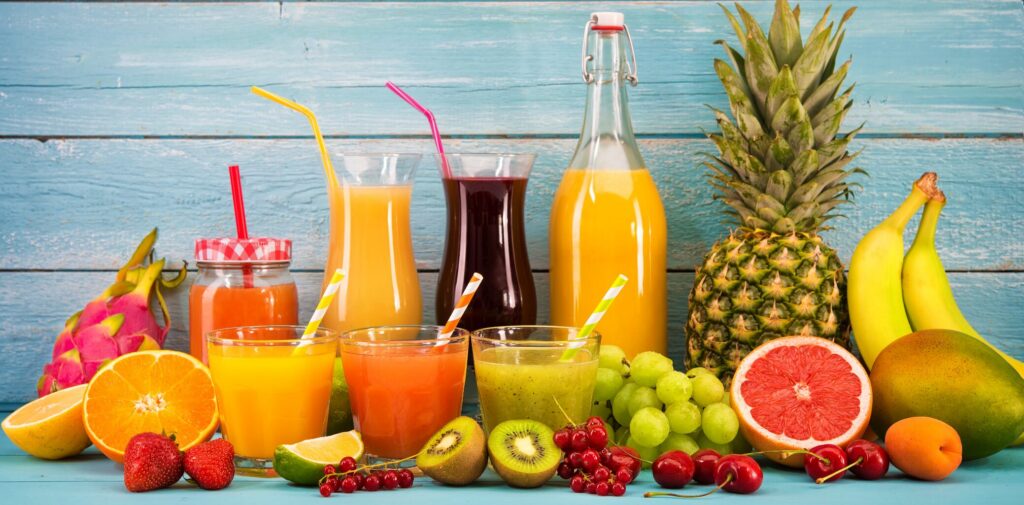
Are you tired of relying on sugary drinks to quench your thirst? Look no further than centrifugated fruit and vegetable drinks! These refreshing beverages are packed with nutrients, vitamins, and minerals that can help detoxify, hydrate, and nourish your body. In this article, we’ll delve into the benefits of centrifugated fruit and vegetable drinks and explore how to make them at home.
What is Centrifugation?
Centrifugation is a process that separates pulp from skin using a machine called a centrifuge. This method allows for maximum retention of nutrients and healthy properties found in fruits and vegetables, making it an ideal way to prepare juice without peeling or straining.
The Benefits of Centrifugated Fruit and Vegetable Drinks
Centrifugated fruit and vegetable drinks are more than just a tasty alternative to sugary drinks; they’re also a powerful tool for maintaining overall health. Here are some benefits you can expect from incorporating these drinks into your daily routine:
- Detoxification: Fruits and vegetables used in centrifugation contain natural detoxifiers like antioxidants, vitamins, and minerals that help cleanse the body.
- Hydration: Cucumbers, being rich in water, provide an excellent source of hydration for the body.
- Nutrient Boost: Centrifugated fruit and vegetable drinks are packed with essential nutrients that can boost energy levels, support immune function, and promote healthy digestion.
Choosing the Right Fruits and Vegetables
The type of fruits and vegetables you choose will significantly impact the health benefits of your centrifugated drink. Here are some popular options:
- Fennel: Rich in depurative properties for blood and liver, an anti-inflammatory agent for the colon, and effective against abdominal bloating.
- Apple: High in vitamin C, with a purifying effect, refreshing and toning action.
- Cucumber: Rich in water, performs the same function as apple.
The Perfect Recipe
Here’s a simple recipe to get you started:
Ingredients:
- 1 fennel
- Half green apple
- Half cucumber
- A piece of ginger
Preparation:
- Wash all ingredients carefully.
- Centrifuge them using a centrifuge machine.
- Mix the juice vigorously in a designated container using a spoon.
- Serve in a glass and consume once a day away from meals.
Centrifugated Fruit and Vegetable Drinks for Kids
Introducing your children to centrifugated fruit and vegetable drinks can be an excellent way to get them to eat their daily dose of fruits and vegetables. Try preparing the ACE juice: orange, carrot, and lemon. A vitamin and mineral concentrate with a sweet taste suitable for young children.
Benefits for Specific Health Conditions
Centrifugated fruit and vegetable drinks may have specific benefits for certain health conditions. Here are some examples:
- Digestive issues: Fennel and ginger in centrifugation juices can help alleviate symptoms of digestive disorders like bloating, cramps, and gas.
- Allergies and sensitivities: Certain fruits and vegetables used in centrifugation may have anti-inflammatory properties that can help reduce allergic reactions or sensitivities.
- Immune system support: Centrifugated drinks rich in vitamins and minerals can boost the immune system’s function.
Incorporating Centrifugated Fruit and Vegetable Drinks into Your Diet
To get the most benefits from centrifugated fruit and vegetable drinks, it’s essential to incorporate them into your daily diet. Here are some tips:
- Start small: Begin with one serving per day and gradually increase the frequency as needed.
- Experiment with recipes: Try different combinations of fruits and vegetables to find your favorite flavors and recipes.
- Combine with other healthy habits: Centrifugated drinks can be a complement to a balanced diet and regular exercise routine.
Common Uses for Centrifugation Machines
Centrifugation machines are versatile tools that can be used in various settings, including:
- Food processing: Centrifugation machines can be used to separate pulp from fruit and vegetable skins, making it easier to prepare juices or purees.
- Beverage manufacturing: Centrifugation machines can help produce high-quality juices and smoothies with minimal waste.
- Research and development: Centrifugation machines are used in laboratories for separating components of biological samples.
Safety Precautions When Using Centrifugation Machines
While centrifugation machines are generally safe, there are some precautions to take when using them:
- Follow manufacturer instructions: Always follow the manufacturer’s guidelines for usage, maintenance, and cleaning.
- Use proper personal protective equipment (PPE): Wear gloves, goggles, and other PPE recommended by the manufacturer to prevent injury.
- Regularly clean and maintain the machine: Regular cleaning and maintenance can help prevent bacterial growth and ensure optimal performance.
The Future of Centrifugated Fruit and Vegetable Drinks
As technology advances and consumer demand for healthy beverages grows, centrifugated fruit and vegetable drinks are likely to become increasingly popular. Here are some trends that may shape the future of this industry:
- Increased use of sustainable materials: As consumers become more environmentally conscious, manufacturers may focus on using sustainable materials in their centrifugation machines.
- Improved efficiency and productivity: Advances in technology could lead to more efficient centrifugation processes, reducing waste and increasing production capacity.
- Growing demand for specialty drinks: With the rise of gourmet and specialty beverages, centrifugated fruit and vegetable drinks may become a sought-after option for health-conscious consumers.
Centrifuged Fruit and Vegetable Drinks Around the World
While centrifugated fruit and vegetable drinks are gaining popularity globally, different regions have their unique traditions and preferences:
- Asia: In some Asian countries, centrifugation is used to make traditional beverages like green tea and matcha.
- Europe: Centrifugation machines are widely used in European food processing plants for producing high-quality juices and smoothies.
- North America: While centrifugated drinks are not as deeply rooted in North American culture, they are gaining popularity among health-conscious consumers.
The Environmental Impact of Centrifuged Fruit and Vegetable Drinks
As with any industry, the production and consumption of centrifugated fruit and vegetable drinks have environmental implications. Here are some factors to consider:
- Energy consumption: Centrifugation machines require energy to operate, which can contribute to greenhouse gas emissions.
- Water usage: Water is necessary for cleaning and maintaining centrifugation machines, as well as for producing juices and smoothies.
- Packaging waste: The packaging of centrifugated drinks can generate significant waste if not properly managed.
The Future of Centrifuged Fruit and Vegetable Drinks: Challenges and Opportunities
While centrifugated fruit and vegetable drinks offer numerous benefits, there are also challenges to be addressed. Here are some opportunities for growth and innovation:
- Increasing demand: As consumers become more health-conscious, the demand for centrifugated drinks is likely to increase.
- Advances in technology: Improvements in centrifugation machines could lead to increased efficiency, reduced waste, and improved product quality.
- Growing market share: Centrifugated fruit and vegetable drinks have a relatively small market share compared to other beverage categories.


