
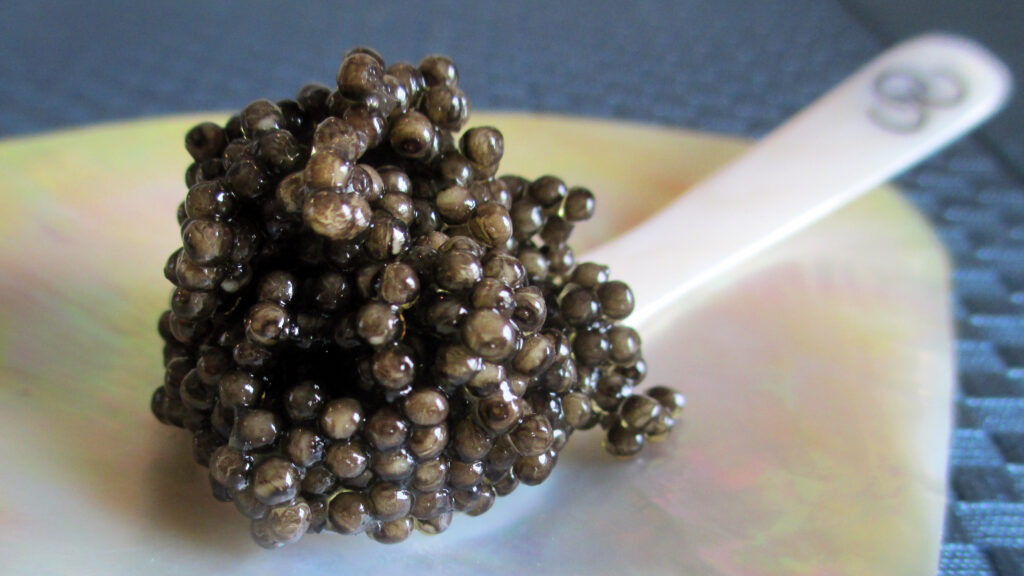
As we sit down to enjoy a luxurious dish, have you ever stopped to consider the story behind it? The caviar, in particular, is a fascinating tale of tradition, rarity, and cultural significance. In this article, we’ll delve into the world of sturgeon eggs, exploring their history, production methods, and what makes them so sought after.
What are Sturgeon Eggs, and How are they Obtained?
Sturgeon eggs, also known as caviar, are harvested from various species within the Acipenseridae family. The most prized varieties come from the white sturgeon (Acipenser transmontanus), the beluga sturgeon (Huso huso), and the sevruga sturgeon (Acipenser stellatus). These eggs are extracted from mature females after a lengthy process that involves careful handling and harvesting.
The sturgeon’s habitat, which includes rivers and lakes in Europe and Asia, plays a crucial role in determining the quality of the caviar. The fish must be caught at the right time, with the eggs at peak ripeness, to ensure optimal flavor and texture.
The Quality of Sturgeon Eggs: What Makes them Worth the Price?
The quality of sturgeon eggs is determined by several factors, including the species, size, color, and salt content. The most sought-after caviar, often referred to as “malossol,” comes from the white sturgeon and has a lower salt content than other varieties.
Malossol caviar is considered the gold standard due to its delicate flavor profile and crunchy texture. To achieve this level of quality, producers must carefully extract the eggs from the fish, taking care not to damage them during the process.
The aging process also plays a significant role in determining the final product’s quality. Caviar can be aged for several months or even years to allow the flavors to mature and develop. However, excessive aging can result in a loss of flavor and texture.
Types of Caviar: From Pressed to Malossol
There are various types of caviar available in the market, each with its unique characteristics. Some popular varieties include:
- Ossietra: Harvested from the Russian sturgeon (Acipenser gueldenstaedtii), these eggs have a distinctive orange-brown color and are often considered among the finest caviars.
- Sevruga: Produced by the sevruga sturgeon (Acipenser stellatus), this type of caviar has a delicate flavor and is prized for its subtle crunch.
- Malossol: As mentioned earlier, this type of caviar comes from white sturgeons and boasts an exceptionally low salt content, making it highly sought after by connoisseurs.
How to Enjoy Caviar: Pairing it with the Perfect Dish
Caviar is often paired with champagne or served on its own as a luxurious treat. However, it can also be enjoyed in various dishes such as blini, tartines, or even crepes. When consuming caviar, it’s essential to keep in mind that heat can damage the delicate flavor and texture.
To complement the rich flavor of caviar, consider pairing it with ingredients like crème fraîche, chopped fresh herbs, or a sprinkle of paprika. These additions can enhance the overall dining experience while respecting the delicate nature of the product.
Understanding Caviar Labels: Decoding the Code
When shopping for caviar, it’s crucial to read the label carefully. The code on the packaging provides valuable information about the product’s origin, species, and quality. Familiarize yourself with common codes like:
- W: Indicates that the caviar is derived from sturgeons raised in captivity.
- C: Suggests that the caviar comes from wild-caught sturgeons.
Conclusion
Caviar is more than just a luxury item; it’s an art form that requires skill, patience, and attention to detail. By understanding the history, production methods, and nuances of this prized delicacy, you’ll be better equipped to appreciate its unique charm and flavor profile.
Whether you’re a seasoned caviar connoisseur or just discovering the world of sturgeon eggs, there’s always something new to learn about this fascinating topic.


