
The Growing Threat of Poaching
Poaching has been a persistent threat to wildlife conservation for decades. The increasing demand for exotic animals, particularly rhinos and elephants, has led to a surge in poaching activities. Google, the tech giant, has taken notice of this issue and has launched an initiative to support anti-poaching efforts.
The growing threat of poaching is a global concern that requires immediate attention from governments, NGOs, and individuals alike. Poaching not only destroys ecosystems but also threatens human safety and security. The loss of biodiversity can have far-reaching consequences for the environment, economies, and societies worldwide.
Google’s Commitment to Conservation
In partnership with the World Wildlife Fund (WWF), Google has allocated $5 million to develop and implement anti-poaching technology. This investment will enable the WWF to expand its conservation efforts and tackle the growing threat of poaching.
This commitment is a significant step forward in the fight against wildlife crime, as it demonstrates Google’s willingness to use its resources to support conservation initiatives. By investing in anti-poaching technologies, Google can help protect endangered species and preserve ecosystems for future generations.
New Technologies in the Fight Against Poaching
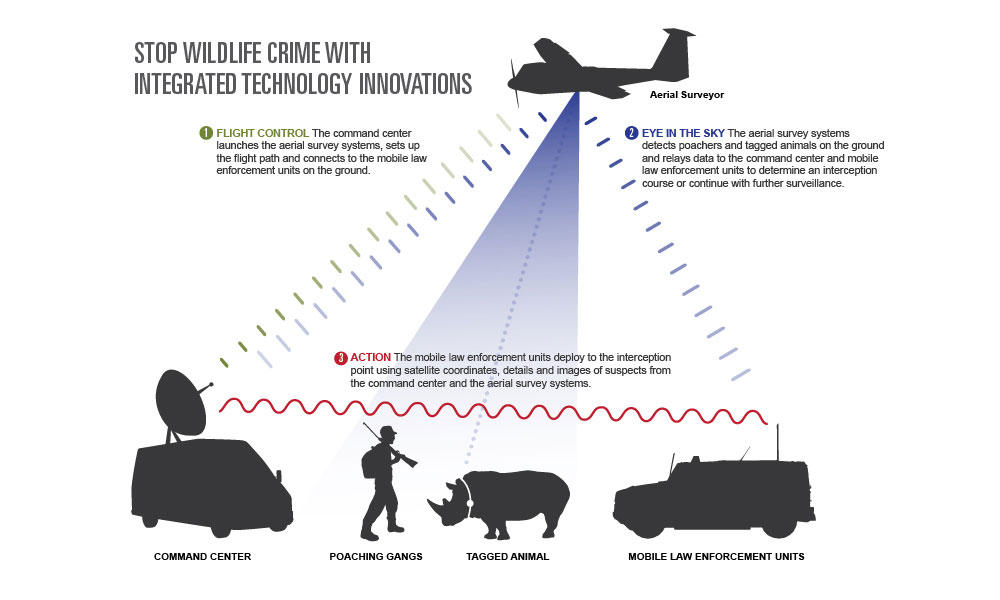
The WWF will utilize cutting-edge technologies, including drones and RFID systems, to monitor wildlife populations and track down poachers. The drones will be equipped with sensors that can detect “suspicious movements” and alert a team of rangers to take action. This technology will enable rangers to respond quickly and effectively to poaching incidents.
The use of drones in conservation efforts is not a new concept, but their integration into anti-poaching strategies is a significant advancement. Drones can provide valuable insights into wildlife behavior, habitat health, and human-wildlife conflict areas. By deploying drones equipped with sensors, the WWF can monitor wildlife populations more effectively and track down poachers.
Amplifying Conservation Efforts
The WWF has previously used GPS tracking systems to monitor rhino populations. However, this initiative aims to expand the scope of conservation efforts by incorporating new technologies. The organization will deploy sensors on both wildlife and habitats, ensuring that areas at risk are thoroughly monitored.
This approach is essential in addressing the complex challenges posed by poaching. By monitoring wildlife populations and habitats, the WWF can identify areas where conservation efforts are needed most and allocate resources accordingly.
Four Regions Targeted for Poaching Prevention
The WWF will focus its efforts on four distinct regions in Africa and Asia where poaching is a significant concern. These regions have seen an increase in poaching activities, and the WWF aims to tackle this issue head-on.
The selection of these regions is based on various factors, including data analysis, conservation priorities, and community engagement. By focusing on high-risk areas, the WWF can maximize its impact and make a tangible difference in reducing poaching activities.
Challenges Ahead: Adapting to Organized Crime
As poaching groups become increasingly organized, it’s essential for conservationists to adapt their strategies. The WWF will need to upgrade its technology to keep pace with these sophisticated operations. Google’s financial support is crucial in enabling the organization to stay ahead of the game.
The rise of organized crime poses significant challenges for anti-poaching efforts. Poachers have become more sophisticated, using tactics such as fake permits and hidden trails to evade detection. To combat this, conservationists must be willing to invest in cutting-edge technology and collaborate with law enforcement agencies.
The Importance of Collaboration
Google’s partnership with the WWF highlights the importance of collaboration between tech giants, NGOs, and governments in tackling wildlife conservation issues. By working together, we can make a significant impact on poaching activities and protect endangered species.
Collaboration is essential in addressing the complex challenges posed by poaching. By pooling resources and expertise, organizations can share knowledge, best practices, and technology to enhance their conservation efforts.
Conclusion
Google’s commitment to anti-poaching efforts is a significant step forward in the fight against wildlife crime. The use of innovative technologies, such as drones and RFID systems, will enable conservationists to track down poachers and protect endangered species. By amplifying conservation efforts and adapting to changing circumstances, we can make a lasting impact on this critical issue.
Frequently Asked Questions
- What is Google’s role in the fight against poaching?
Google has partnered with the WWF to allocate $5 million for anti-poaching technology development and implementation. - How will drones be used in poaching prevention?
Drones equipped with sensors will detect “suspicious movements” and alert a team of rangers, enabling them to respond quickly and effectively. - What is the significance of RFID systems in poaching prevention?
RFID systems will enable the WWF to monitor wildlife populations and track down poachers by identifying their location. - Which regions are targeted for poaching prevention?
The WWF will focus its efforts on four distinct regions in Africa and Asia where poaching is a significant concern. - How will the WWF adapt to organized crime?
The organization will need to upgrade its technology to keep pace with sophisticated poaching groups, which is why Google’s financial support is crucial. - What is the importance of collaboration in fighting wildlife crime?
Collaboration between tech giants, NGOs, and governments is essential in making a significant impact on poaching activities and protecting endangered species. - How can individuals contribute to anti-poaching efforts?
Support organizations like the WWF and Google’s conservation initiatives, spread awareness about wildlife conservation issues, and make sustainable lifestyle choices. - What are the long-term goals of this initiative?
The goal is to protect endangered species, prevent poaching activities, and ensure the long-term survival of threatened ecosystems.
By working together, we can make a significant difference in the fight against poaching and protect our planet’s precious wildlife. The success of Google’s anti-poaching initiative depends on continued collaboration and investment in conservation efforts. As we move forward, it’s essential to remain vigilant and committed to protecting our natural world for future generations.


