
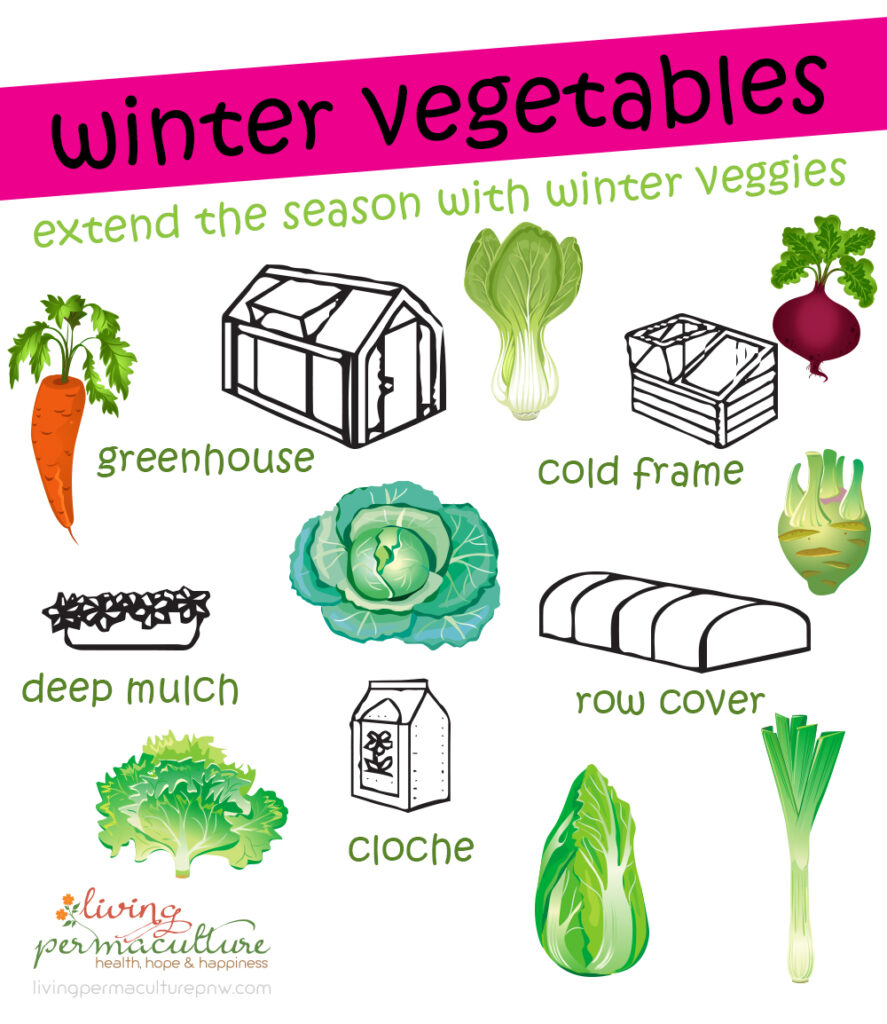
As the temperatures drop and the days get shorter, many gardeners wonder what they can still grow during the cold winter months. The good news is that there are plenty of options, as long as you choose the right varieties and take some simple precautions. In this article, we’ll explore the best crops to grow in winter, provide tips on how to protect them from frost, and share advice on how to get the most out of your garden during the chilliest time of the year.
Protecting Your Garden from Frost: Simple Strategies for Success
Frost can be a nemesis for gardeners, but it doesn’t have to be. By using simple strategies like covering individual plants with non-woven fabric or sections of two-liter plastic bottles, you can protect your crops from damage. For those without access to greenhouses, mulching with black bioplastic tarpaulins is also a great option, as it helps retain heat in the soil and protects the root system.
One effective method for protecting plants from frost is using row covers. These lightweight fabrics are designed to allow light and water to penetrate while keeping cold air out. By covering your garden beds with row covers, you can create a frost-free zone that will allow you to grow a wide variety of crops.
Another strategy for protecting plants from frost is to use bubble wrap or plastic sheets. These materials can be wrapped around individual plants or rows of plants to provide an extra layer of protection against cold temperatures.
Vulnerable Vegetables to Frost: Know What to Watch Out For
Some vegetables are more susceptible to frost damage than others. If you live in areas with very cold climates, consider starting seeds indoors or using containers covered by glass to protect your plants. Leafy greens like lettuce and radicchio, as well as root vegetables like carrots and beets, are particularly vulnerable to frost.
In addition to these groups, other vegetables that may be sensitive to frost include spinach, kale, and broccoli. These crops can bolt or become discolored when exposed to cold temperatures, so it’s essential to take steps to protect them from frost damage.
Hardy Vegetables to Frost: Perfect for Winter Gardens
On the other hand, some vegetables thrive in cold temperatures. Broccoli, Brussels sprouts, and cauliflower are just a few examples of hardy crops that can tolerate frost and even benefit from it. By planting these crops directly into a protected area, you can enjoy a bountiful harvest all winter long.
Other hardy vegetables that do well in cold climates include cabbage, kale, and collard greens. These crops can be grown using traditional methods or by using specialized containers designed specifically for cold-climate gardens.
Transplanting Seedlings for Winter Success
To grow your garden in winter faster, transplant already well-developed seedlings indoors or outdoors in a protected area. You can also buy seedlings from a nursery and give them a head start on the growing season. This will ensure that your plants are healthy and strong by the time you need to harvest.
When transplanting seedlings, it’s essential to choose varieties that are specifically bred for winter production. These crops will have been grown under optimal conditions during the fall, when they were exposed to cold temperatures, which will help harden them off before being transplanted into a protected area.
Sowing Seeds for Winter Harvest
The sowing of December and January offer a great opportunity to continue growing your favorite crops. From garlic and asparagus to Brussels sprouts and carrots, there’s something for every gardener. Here are some top picks for winter seeds:
- Garlic
- Asparagus
- Brussels sprouts
- Carrots and purple carrots
- Chicory
- Onions
- Fava beans
- Lettuce for cutting
- Melons
- Peppers
- Piselli
- Prezzemolo
- Radicchio for cutting
- Rape
- Ravanelli
- Shallots
- Spinach
Tips for Growing Tomatoes in a Greenhouse
For those with access to greenhouses, growing tomatoes is a great way to extend the harvest season. Choose small varieties like ciliegino or datterino, and make sure to plant them on moist soil.
When growing tomatoes in a greenhouse, it’s essential to provide adequate ventilation to prevent overheating. This can be achieved by using specialized cooling systems or by incorporating windows that allow for cross-ventilation.
Growing Carrots Viola: A Nutritious and Delicious Option
Carrots viola are a great choice for winter gardens, thanks to their high content of anthocyanins, which have powerful antioxidant properties. By growing these beautiful carrots, you can enjoy a delicious and nutritious harvest all winter long.
To grow carrots viola, choose a variety that is specifically bred for winter production. Plant the seeds in well-draining soil and provide adequate moisture to prevent bolting. Thin the seedlings to 2-3 inches apart to allow them to mature evenly.
How to Grow Brussels Sprouts: A Guide to Success
Cavolini di Bruxelles (Brussels sprouts) are a popular winter crop that’s easy to grow in pots or outdoor gardens. With the right care and attention, these delicious sprouts will reward you with a bountiful harvest all winter long.
To grow Brussels sprouts successfully, choose a variety that is specifically bred for winter production. Plant the seeds in well-draining soil and provide adequate moisture to prevent bolting. Thin the seedlings to 2-3 inches apart to allow them to mature evenly.
Common Mistakes to Avoid
There are several common mistakes that can lead to poor growth or even death of your winter crops. Here are some tips for avoiding these mistakes:
- Planting seeds too deeply, which can lead to reduced germination rates
- Not providing adequate moisture, which can cause plants to bolt or become discolored
- Failing to thin seedlings, which can lead to overcrowding and reduced yields
- Not protecting plants from frost damage, which can lead to significant losses
Conclusion
Winter gardening may seem daunting, but with the right knowledge and preparation, you can enjoy a thriving and productive garden even during the coldest months of the year. By choosing the right crops, protecting them from frost, and following our tips for success, you’ll be well on your way to a winter harvest that will leave you feeling proud and satisfied.
Frequently Asked Questions
- What is the best time to sow seeds in winter?
The sowing of December and January offer a great opportunity to continue growing your favorite crops. - How can I protect my plants from frost?
Use simple strategies like covering individual plants with non-woven fabric or sections of two-liter plastic bottles, or mulch with black bioplastic tarpaulins. - What are the hardiest vegetables for winter gardens?
Broccoli, Brussels sprouts, and cauliflower are just a few examples of crops that can tolerate frost and even benefit from it. - Can I grow tomatoes in a greenhouse?
Yes, greenhouses provide the perfect environment for growing tomatoes year-round. - How do I grow carrots viola?
Carrots viola are a great choice for winter gardens, thanks to their high content of anthocyanins, which have powerful antioxidant properties. - What is the best way to harvest Brussels sprouts?
Cavolini di Bruxelles (Brussels sprouts) can be harvested when they’re firm and compact. - Can I grow garlic in winter?
Yes, garlic can be grown in winter, as long as you choose the right variety and follow proper care instructions. - What are some other vegetables that thrive in cold temperatures?
Other hardy crops include cabbage, kale, and collard greens.


