
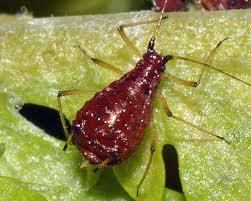
As an organic gardener, it’s essential to have a natural antiparasitic solution at your disposal. The tanacetum tea is an excellent option, combined with the infusion of dandelion and chicory roots, it becomes a must-have in your garden’s pharmacy. When aphids and spider mites threaten your plants, this natural remedy proves to be incredibly effective.
What is Tanacetum?
Tanacetum belongs to the Asteraceae family, commonly found in fields and along roadsides. However, when foraging for tanacetum, it’s crucial to avoid areas near sewage outlets as they can be contaminated with pollutants. Instead, look for fields where the plant grows abundantly, characterized by its yellow inflorescences at the tips.
Tanacetum is a perennial herb that has been used for centuries in traditional medicine and agriculture. It is native to Europe, Asia, and North America, but it has also naturalized in other parts of the world. The plant’s chemical composition includes sesquiterpene lactones, which are responsible for its insecticidal properties.
A Brief History of Tanacetum
Historically, tanacetum was used as a medicinal herb, especially as a vermifuge (anti-parasitic). In ancient times, people believed that the plant had magical powers and used it to ward off evil spirits. The Greeks and Romans also used tanacetum for its medicinal properties, including treating skin conditions and fever.
In modern times, tanacetum’s use has been largely replaced by synthetic pesticides due to concerns over its toxicity. However, researchers have rediscovered the herb’s potential as a natural pesticide when properly prepared and diluted.
Conserving Tanacetum: A Multi-Purpose Plant
In the past, farmers would conserve tanacetum by tying mazes of the plant near their crops to keep rodents away. This approach not only helped control pests but also provided a natural repellent for other unwanted critters. Today, we can appreciate the versatility of this plant and its potential as a natural antiparasitic solution.
Tanacetum is also used in traditional herbal medicine to treat various ailments, including digestive issues and skin conditions. Its leaves and flowers are rich in antioxidants, which have been shown to have anti-inflammatory properties.
Preparing the Tanacetum Tea
To prepare the tanacetum tea, combine 30 grams of fresh tanacetum (or 1 teaspoon of dried herb) with 1 liter of water. The tea can be diluted to varying concentrations depending on your desired level of treatment intensity. Keep in mind that unlike teas from other plants, the tanacetum tea is non-toxic and safe for repeated use.
It’s essential to note that the quality of the tanacetum used for tea preparation is crucial. Choose fresh, organic herbs with no signs of contamination or disease. Store the dried herb in an airtight container to maintain its potency.
Using Tanacetum Tea Against Aphids and Spider Mites
To prepare the tea, only use the aerial parts of the plant: leaves, flowers, and stems. Avoid using roots as they are not effective in creating a natural antiparasitic solution. Once brewed, the tea can be sprayed directly onto infested plants, providing quick relief from aphids, spider mites, lepidopterans, and certain types of acari.
When spraying the tea, make sure to wear protective clothing and gloves to avoid skin contact. The recommended application frequency is every 7-10 days, depending on the severity of the infestation.
How Does Tanacetum Tea Work?
Tanacetum tea’s effectiveness against aphids and spider mites can be attributed to its sesquiterpene lactones content. These compounds disrupt the insect’s nervous system, leading to paralysis and death.
When applied to plants, the tea’s active ingredients are absorbed by the plant’s vascular system and reach the insects’ nervous centers. The result is a rapid decline in their population and an overall improvement in plant health.
Conclusion
The tanacetum tea is an excellent natural solution for controlling aphids and spider mites in your garden. With its rich history, versatility, and effectiveness, it’s time to incorporate this remedy into your organic gardening routine. Whether you’re looking for a non-toxic alternative or simply want to add more natural goodness to your garden, the tanacetum tea is an excellent choice.
Frequently Asked Questions
- Is Tanacetum safe for human consumption?
Tanacetum contains toxic compounds that make it unsuitable for direct human consumption. - Can I use tanacetum tea as a fungicide?
While tanacetum tea can help control pests, its effectiveness against fungi is limited. - How often should I apply the tanacetum tea?
Apply the tea every 7-10 days to maintain control and prevent re-infestation. - Can I use tanacetum tea on all types of plants?
Tanacetum tea can be used on most plants, but always test a small area before applying it to ensure there are no adverse reactions. - Is Tanacetum safe for beneficial insects?
While tanacetum tea is non-toxic, it’s essential to note that its effectiveness against certain pests may harm beneficial insects. - Can I grow my own tanacetum plant?
Yes, you can grow your own tanacetum plant by purchasing seeds or seedlings from a reputable supplier. - How long does the tanacetum tea stay effective?
The effectiveness of the tanacetum tea depends on factors like concentration and application frequency, but it generally lasts for 1-2 weeks. - Can I use tanacetum tea in combination with other natural pesticides?
While there is no established synergy between tanacetum tea and other natural pesticides, it’s always best to consult with a gardening expert before combining treatments.
Additional Tips and Precautions
- When handling tanacetum, wear protective clothing and gloves to avoid skin contact.
- Avoid applying the tea during peak sun hours to prevent phototoxicity.
- Use the tea in combination with other natural methods of pest control for optimal results.
- Monitor your plants regularly to ensure that they are responding well to the treatment.
By incorporating the tanacetum tea into your organic gardening routine, you can enjoy a healthier, more balanced ecosystem in your garden. Remember to always follow proper safety precautions and application guidelines to ensure the effectiveness and longevity of this natural antiparasitic solution.


