
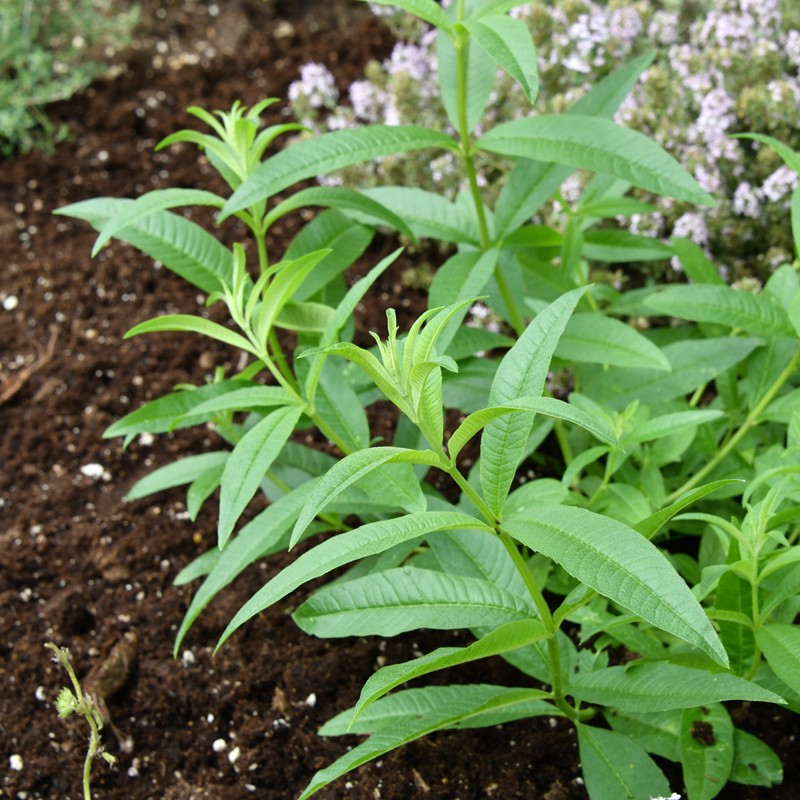
As a plant enthusiast, you’re always on the lookout for new additions to your garden or indoor space. If you’re looking for a plant that will add some excitement to your space, look no further than the cedrina. This tropical plant hails from South America and is known for its beautiful fragrance and striking appearance. In this comprehensive guide, we’ll delve into the world of cedrina, exploring its description, cultivation, care requirements, and more.
What is Cedrina?
Cedrina, also known as limoncina, is a type of shrub that belongs to the Lippia citriodora or Aloysia citrodora species. With so many names attached to this plant, it’s essential to distinguish between the erba Luisa (Luisa Grass) and the true cedrina, which has a distinctively sweet fragrance.
Description
The cedrina boasts a robust structure with dense, woody stems adorned with lance-shaped, rough-edged leaves that are a vibrant green color. Its flowers bloom from June to August, producing small white blooms with subtle violet undertones, grouped together in clusters at the top of its stalks. The plant can grow up to 3-4 feet tall and wide, making it an excellent choice for hedges or screens.
Terreno (Soil) Requirements
When it comes to growing cedrina, having the right soil is crucial. A well-draining sandy soil is ideal for this plant, as it helps prevent waterlogged conditions that can lead to root rot and other issues. Regularly checking the moisture level in the soil will ensure that your cedrina doesn’t suffer from excessive humidity or dryness.
Cultivation
If you live in a region with mild winters, it’s possible to grow cedrina directly in the ground without any protection. However, be sure not to expose it to harsh winds and cold temperatures. For optimal results, fertilize your cedrina between April and August using a balanced fertilizer that promotes healthy growth.
Soil pH
Cedrina prefers a slightly acidic to neutral soil pH, ranging from 6.0 to 7.0. Avoid planting in areas with heavy clay or loam soils, as they can cause root problems.
Fertilization
Fertilize your cedrina every two weeks during the growing season (April to August) using a balanced fertilizer that contains nitrogen, phosphorus, and potassium. You can also use organic fertilizers like compost or manure tea to promote healthy growth.
Pruning and Reproduction
In July, take cuts from your cedrina’s stems or branches and place them in a mixture of sand and peat moss to encourage rooting. Alternatively, you can replant cuttings from existing roots in May. Choose a location with sufficient sunlight and drainage for optimal growth. Protecting your plant from harsh winds, frost, and extreme temperatures will help it thrive.
Pest and Disease Management
Keep an eye out for pests like aphids, whiteflies, and spider mites, which can damage the leaves and flowers of your cedrina. Regularly inspect your plant and treat any infestations promptly. Also, be aware of diseases like root rot and leaf spot, which can be caused by overwatering or poor air circulation.
Foliage Harvesting
During peak flowering season (June to August), harvest your cedrina’s fragrant leaves for drying or immediate use. To avoid excessive drying of the plant, ensure you water it regularly during this time. You can also dry the leaves in a paper bag or between sheets of paper towels to preserve their fragrance.
Conclusion
Growing cedrina is an exciting project that requires attention to its specific needs. With proper care and pruning, you can enjoy this lovely tropical shrub in your garden or indoor space. By following this comprehensive guide, you’ll be well on your way to growing a thriving and fragrant cedrina plant.
Frequently Asked Questions (FAQs)
- How often should I water my cedrina?
Check the moisture level of the soil regularly to avoid overwatering. Water your cedrina when the top inch of soil feels dry to the touch, usually every 10-14 days during the growing season.
- Can I grow cedrina indoors?
Yes, but ensure proper drainage and protection from frost. Cedrina prefers bright, indirect light and temperatures between 65°F to 75°F (18°C to 24°C).
- What is the best way to fertilize my cedrina?
Use a balanced fertilizer during peak flowering season (April to August). You can also use organic fertilizers like compost or manure tea to promote healthy growth.
- Why should I harvest cedrina’s leaves?
To preserve their fragrance and make use of them in cooking or as a natural air freshener. Dried cedrina leaves can be used in potpourri, sachets, or even as a natural insect repellent.
- How often should I prune my cedrina?
In July, take cuts from the stems or branches to encourage rooting and promote new growth. Prune your cedrina regularly to maintain its shape and encourage bushy growth.
- Can I grow cedrina outdoors year-round?
It depends on your region’s climate; if you live in a temperate zone with mild winters, it’s possible. Otherwise, consider growing it indoors or in a protected area.
- What is the ideal temperature for cedrina growth?
Between 15°C and 25°C (59°F to 77°F) for optimal growth. Avoid exposing your cedrina to temperatures below 10°C (50°F) or above 30°C (86°F), as this can cause stress and damage.
- How often should I check the moisture level of the soil?
Every 10 days to ensure optimal watering conditions. Check the moisture level by inserting a finger into the soil up to the knuckle, then gently squeezing it. If the soil feels dry, it’s time to water your cedrina.
- Can I propagate cedrina through division?
Yes, you can propagate cedrina through division in the spring or summer when the plant is actively growing. Dig up the entire plant, separate the roots, and replant them in well-draining soil.
- How long does it take for cedrina to grow?
Cedrina grows relatively quickly, reaching maturity within 1-2 years after planting. With proper care and pruning, you can expect your cedrina to thrive and produce beautiful flowers and fragrant leaves within a year or two of planting.
By following this comprehensive guide, you’ll be well on your way to growing a thriving and fragrant cedrina plant that will bring joy and beauty to your garden or indoor space.


