
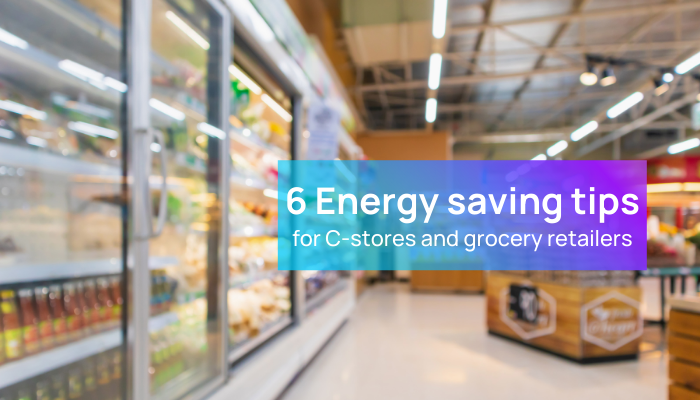
As the world shifts towards a more sustainable future, businesses are increasingly looking for ways to reduce their environmental impact. One area that requires attention is energy consumption in retail stores. In this article, we’ll explore how to optimize energy savings in retail stores and what you can do to start making a difference.
Understanding Energy Consumption in Retail Stores
Energy consumption in retail stores can be a significant contributor to greenhouse gas emissions. From lighting and HVAC systems to refrigeration and display cases, there are many factors that can affect energy usage in these environments. However, by understanding the sources of energy consumption and identifying opportunities for improvement, retailers can make significant strides towards reducing their energy bills and carbon footprint.
The Importance of Energy Efficiency in Retail
Energy efficiency is crucial for retail stores because it directly affects the bottom line. High energy costs can eat into profit margins, while energy-efficient systems can help reduce operating expenses. Furthermore, by adopting energy-saving measures, retailers can demonstrate their commitment to sustainability, which can lead to increased customer loyalty and brand reputation.
The Retail Energy Milano Event
The Retail Energy Milano event is an annual conference that brings together experts in the field of retail energy management. This year’s edition will feature four parallel sessions, including three technical sessions on topics such as food energy, retail design, and energy efficiency. The Premium Conference will focus on purchasing energy and gas, with a particular emphasis on renegotiating contracts.
Key Takeaways from the Event
The Retail Energy Milano event promises to be an informative and engaging experience for retailers and industry professionals. Some of the key takeaways include:
- Energy-saving strategies: Learn how to optimize lighting, HVAC, and refrigeration systems in your retail store.
- Contract renegotiation: Discover how to negotiate better contracts with energy providers and reduce costs.
- Sustainable practices: Explore ways to incorporate sustainable practices into your business operations.
Energy-Saving Strategies for Retail Stores
There are many strategies that retailers can use to optimize energy savings in their stores. Some of the most effective approaches include:
- LED Lighting: Replace traditional lighting with LED bulbs, which consume significantly less energy.
- Smart Thermostats: Install smart thermostats that learn your store’s temperature preferences and adjust accordingly.
- Energy-Efficient HVAC Systems: Upgrade to high-efficiency HVAC systems that reduce energy consumption.
Real-Life Examples of Energy Efficiency in Retail
Several retailers have already implemented energy-saving measures in their stores. For example:
- IKEA: The furniture retailer has reduced its energy consumption by 20% through the use of LED lighting and smart thermostats.
- Whole Foods Market: The grocery chain has installed solar panels on its rooftops, reducing its reliance on non-renewable energy sources.
Conclusion
Optimizing energy savings in retail stores is a critical step towards reducing carbon emissions and improving bottom-line performance. By understanding the sources of energy consumption and implementing effective strategies, retailers can make a significant impact on their environmental footprint. As the world continues to shift towards a more sustainable future, it’s essential for businesses to prioritize energy efficiency and sustainability.
Frequently Asked Questions
Q: What is the Retail Energy Milano event?
A: The Retail Energy Milano event is an annual conference that brings together experts in the field of retail energy management. It features four parallel sessions on topics such as food energy, retail design, and energy efficiency.
Q: How can I optimize energy savings in my retail store?
A: There are several strategies you can use to optimize energy savings in your retail store, including LED lighting, smart thermostats, and energy-efficient HVAC systems.
Q: What is the impact of energy consumption on a retailer’s bottom line?
A: High energy costs can eat into profit margins, while energy-efficient systems can help reduce operating expenses. By adopting energy-saving measures, retailers can demonstrate their commitment to sustainability, which can lead to increased customer loyalty and brand reputation.
Q: How can I negotiate better contracts with energy providers?
A: To negotiate better contracts with energy providers, you’ll need to understand the terms and conditions of your current contract and be prepared to make a strong case for renegotiation. Consider working with a consultant or energy expert who can help you navigate the process.
Q: What are some sustainable practices that I can incorporate into my business operations?
A: There are many sustainable practices that you can incorporate into your business operations, including reducing waste, using eco-friendly packaging, and promoting energy-efficient products. By prioritizing sustainability, you’ll not only reduce your environmental impact but also improve customer loyalty and brand reputation.
Q: How can I measure the effectiveness of my energy-saving efforts?
A: To measure the effectiveness of your energy-saving efforts, track key performance indicators (KPIs) such as energy consumption, cost savings, and return on investment (ROI). Regularly review these metrics to identify areas for improvement and optimize your energy-efficient strategies.
Q: What is the future of retail energy management?
A: The future of retail energy management will be shaped by emerging technologies such as IoT sensors, AI-powered analytics, and blockchain. As these technologies continue to evolve, we can expect even greater efficiency and sustainability in retail energy management.
Q: How can I get involved in the Retail Energy Milano event?
A: To get involved in the Retail Energy Milano event, register for the conference or consider sponsoring a session. You can also follow the event on social media to stay up-to-date with the latest news and updates.
Q: What are some common energy-saving mistakes that retailers make?
A: Some common energy-saving mistakes that retailers make include:
- Underestimating the impact of lighting: Lighting accounts for a significant portion of a retailer’s energy consumption. Make sure to prioritize LED lighting in your store.
- Ignoring HVAC system efficiency: A poorly maintained or inefficient HVAC system can consume excessive energy and drive up costs. Regularly inspect and maintain your HVAC system.
- Overlooking opportunities for energy-efficient equipment: Energy-efficient equipment such as smart thermostats and energy-efficient refrigeration systems can reduce energy consumption and improve bottom-line performance.
Q: What is the role of government in promoting sustainable practices in retail?
A: Governments play a critical role in promoting sustainable practices in retail by providing incentives, regulations, and education. For example, some governments offer tax credits or rebates for businesses that adopt energy-efficient technologies or implement sustainable practices.
A: To partner with other retailers to share best practices in retail energy management, consider joining industry associations, participating in conferences, or collaborating on sustainability initiatives. By working together, you can drive greater efficiency and sustainability in retail energy management.
Q: What are some emerging trends in retail energy management?
- Smart grids: Smart grids will enable more efficient and decentralized energy distribution, reducing energy waste and improving overall energy efficiency.
- Energy storage systems: Energy storage systems will become increasingly important as retailers seek to reduce their reliance on non-renewable energy sources.
- IoT sensors: IoT sensors will play a critical role in monitoring and optimizing energy consumption across the supply chain.
Q: How can I measure the impact of my sustainable practices?
A: To measure the impact of your sustainable practices, track key performance indicators (KPIs) such as carbon footprint reduction, water conservation, and waste reduction. Regularly review these metrics to identify areas for improvement and optimize your sustainable practices.


