
Understanding the Importance of Early Detection
Getting pregnant can be an exciting yet anxious experience, especially for those who are not expecting it. As a result, choosing the right time to take a pregnancy test is crucial to avoid false negatives or inconclusive results. In this article, we will guide you through the process of taking a pregnancy test and provide valuable insights on when to take it.
Types of Pregnancy Tests
There are several types of pregnancy tests available in the market, including urine tests and blood tests. The most common type is the urinalysis test, which detects the presence of human chorionic gonadotropin (hCG) in the urine. Blood tests, on the other hand, involve a more sensitive detection method that measures hCG levels in the blood.
When to Take a Pregnancy Test
The timing of taking a pregnancy test is crucial to get accurate results. If you’re trying to conceive, it’s recommended to take the test 10 days after conception for a blood test and 12-14 days later for a urine test. However, if you’re experiencing a missed period or spotting, you can take the test immediately.
What to Expect from the Test Results
The results of your pregnancy test will indicate whether you are pregnant or not. A positive result means that hCG levels have reached a certain threshold, indicating a healthy pregnancy. A negative result means that hCG levels are below the detection limit, and you may need to wait for another day or two before retesting.
Choosing the Right Test
With so many options available, choosing the right test can be overwhelming. Here are some factors to consider:
- Sensitivity: Look for tests with high sensitivity, as they will detect hCG levels more accurately.
- Ease of use: Choose tests that are easy to use and don’t require a lot of technical expertise.
- Cost: Consider the cost of the test and whether it fits within your budget.
Top-Rated Pregnancy Tests
Here are some top-rated pregnancy tests that meet the above criteria:
- Clear Blue Digital Test: This test is highly sensitive and can detect hCG levels as early as 5 days after conception.
- First Response Early Result Test: This test is easy to use and provides results in just minutes.
- E.P.T Pregnancy Test: This test is affordable and can be used for a second opinion or confirmation of pregnancy.
Alternative Methods
In addition to urine tests, there are alternative methods available for detecting hCG levels:
- Blood Tests: These tests involve taking a sample of your blood and measuring hCG levels.
- Home Pregnancy Tests (HPTs): These tests use a combination of technology and chemistry to detect hCG levels.
Important Considerations
Before taking a pregnancy test, consider the following factors:
- Criticity: If you have a history of miscarriages or other complications, consult with your healthcare provider before taking a test.
- Pregnancy-related conditions: If you have certain medical conditions, such as polycystic ovary syndrome (PCOS), it’s recommended to take a test under the guidance of a healthcare provider.
Frequently Asked Questions
Here are some frequently asked questions related to pregnancy testing:
- Q: When should I take a pregnancy test?
A: The ideal time to take a pregnancy test depends on your individual situation. If you’re trying to conceive, wait 10 days after conception for a blood test and 12-14 days later for a urine test. - Q: What are the most sensitive pregnancy tests available?
A: Some of the most sensitive pregnancy tests include Clear Blue Digital Test, First Response Early Result Test, and E.P.T Pregnancy Test. - Q: Can I use home pregnancy tests (HPTs) instead of blood tests?
A: Yes, HPTs can be used for detecting hCG levels at home, but they may not be as accurate as blood tests.
Additional Tips
Here are some additional tips to help you make the most out of your pregnancy testing experience:
- Take multiple tests: Consider taking multiple tests to confirm the results and ensure accuracy.
- Use a test strip: If you’re using a home pregnancy test, use a test strip to ensure accurate results.
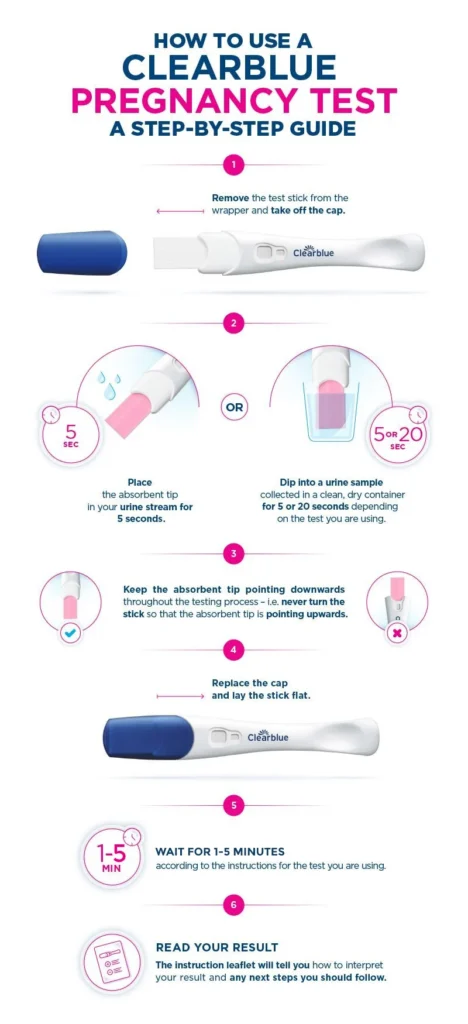
- Follow the instructions: Always follow the instructions provided with the test to get accurate results.
Conclusion
Taking a pregnancy test can be an exciting yet anxious experience. By understanding the importance of early detection, choosing the right test, and considering alternative methods, you can make informed decisions about your reproductive health. Always consult with your healthcare provider if you have any concerns or questions related to pregnancy testing.


