
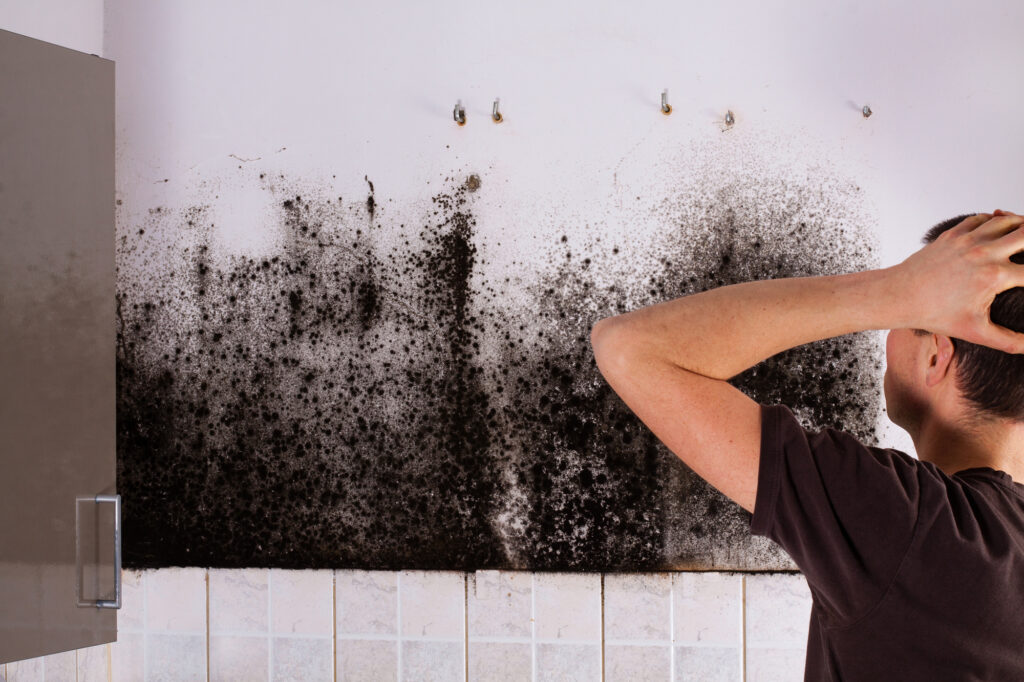
As the seasons change, so does our awareness of the importance of maintaining a healthy indoor environment. One often-overlooked factor is humidity, which can lead to the growth of mold and mildew in your home. In this article, we’ll delve into the causes, effects, and consequences of excess moisture in your abode, as well as provide practical tips on how to prevent and eliminate these pesky problems.
What Causes Humidity in Your Home?
Humidity in the house is often a sign of a larger issue. It can arise from various sources, including:
- Inadequate ventilation
- Poor insulation
- Leaky roofs or walls
- High humidity levels outside your home
- Aging buildings with worn-out structures
For example, if you live in an area prone to heavy rainfall, the moisture-laden air may seep into your home through cracks and gaps in the foundation. Similarly, if your roof is old or damaged, water can leak into your attic, leading to a buildup of humidity.
The Consequences of Excess Moisture
Excess moisture in your home can lead to a host of problems, including:
- Mold and mildew growth, which can spread quickly and be difficult to eradicate
- Respiratory issues, such as allergies and asthma attacks
- Damage to walls, ceilings, and floors
- Increased energy bills due to inefficient heating and cooling systems
For instance, if you have a leaky roof or walls, the excess moisture can lead to the growth of mold and mildew. This can not only cause aesthetic problems but also pose health risks for occupants.
How to Identify Humidity Issues
Spotting humidity problems early on is crucial. Look out for these common signs:
- Water stains or discoloration on walls and ceilings
- Musty odors or dampness in the air
- Warped or buckled flooring
- Peeling paint or wallpaper
For example, if you notice water stains on your ceiling or walls, it could be a sign of a leaky roof. Similarly, if you smell musty odors in your home, it may indicate excess moisture.
The Top Causes of Humidity Problems
Humidity issues can be caused by a variety of factors, including:
- Poor ventilation: Inadequate airflow can lead to stagnation and moisture buildup.
- Aging buildings: Older structures may have worn-out roofs, walls, or foundations that allow water to seep in.
- Leaky roofs or walls: Cracks and gaps can provide entry points for moisture.
- High humidity levels outside: Extreme weather conditions can lead to increased indoor humidity.
For instance, if your home has poor ventilation, the air may not be able to circulate effectively, leading to a buildup of moisture. Similarly, if you live in an area with high humidity levels, the air may enter your home through cracks and gaps in the foundation or walls.
Preventing Humidity Issues
Prevention is key when it comes to addressing humidity problems. Here are some simple steps you can take:
- Install a dehumidifier in your home, especially in areas prone to moisture
- Improve ventilation by adding vents or upgrading your HVAC system
- Check for and repair any leaks or water damage promptly
For example, if you live in an area with high humidity levels, installing a dehumidifier can help remove excess moisture from the air. Similarly, improving ventilation by adding vents or upgrading your HVAC system can also help reduce humidity.
Eliminating Humidity Problems
Once you’ve identified the source of the issue, it’s time to take action. Here are some steps you can follow:
- Identify the root cause: Determine where the moisture is coming from and address the underlying problem.
- Use a dehumidifier: These devices can help remove excess moisture from the air.
- Increase ventilation: Improve airflow in your home by adding vents or upgrading your HVAC system.
For instance, if you’ve identified that your roof is leaking, addressing the leak promptly can help prevent further damage and reduce humidity. Similarly, using a dehumidifier and improving ventilation can also help remove excess moisture from the air.
Conclusion
Humidity problems can be a serious issue, but with the right knowledge and tools, you can prevent and eliminate them. By understanding the causes of humidity issues and taking proactive steps, you can create a healthier, more comfortable living space for yourself and your family.
Frequently Asked Questions
- What is the ideal indoor humidity level?
- How often should I check my home’s humidity levels?
- Can I use a humidifier to combat dry air?
- What are some common signs of excess moisture in my home?
- How can I prevent mold and mildew growth in my bathroom?
For example, the ideal indoor humidity level is between 30-50%. Regularly checking your home’s humidity levels can help you identify any issues early on.
In conclusion, understanding the causes of humidity problems and taking proactive steps to address them can lead to a healthier and more comfortable living space.


