
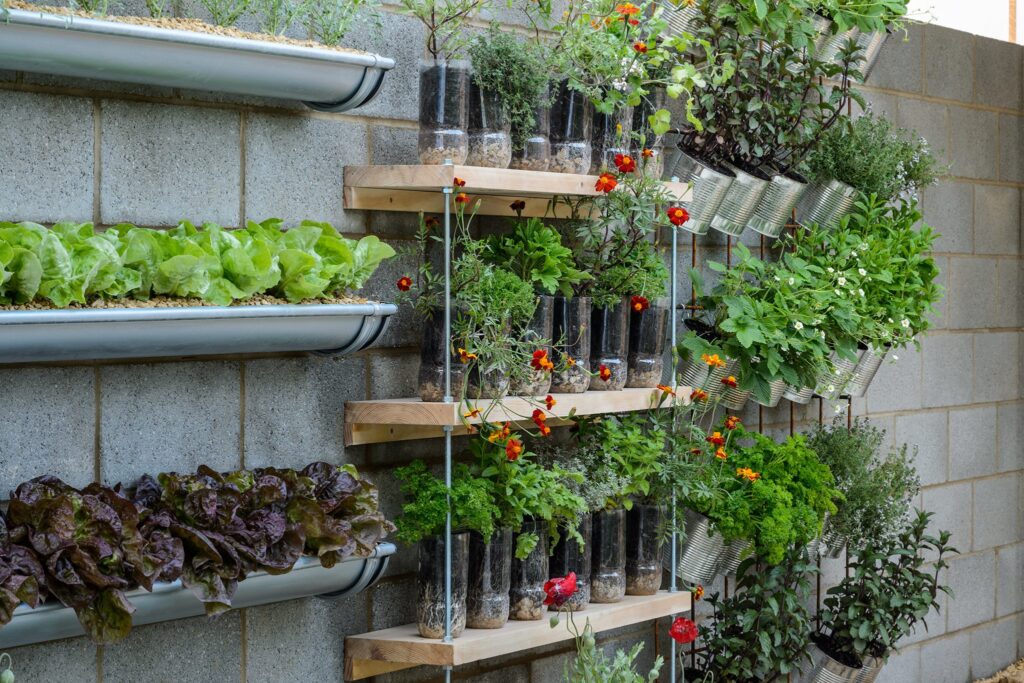
Growing your own garden on the balcony can be a rewarding experience, providing you with fresh produce and a sense of accomplishment. In this guide, we’ll walk you through the process of creating a thriving balcony garden, from choosing the right containers to growing a variety of vegetables, herbs, and flowers.
Why Grow on Your Balcony?
With a little creativity and some basic knowledge, anyone can grow their own garden on the balcony. Not only will you have access to fresh, organic produce, but you’ll also be able to enjoy the therapeutic benefits of gardening in a compact space. Whether you’re a seasoned gardener or a beginner, growing on your balcony is an excellent way to get started.
The benefits of growing on your balcony are numerous:
- Fresh air and vitamin D from direct sunlight
- Improved mental health and stress relief
- Increased productivity and sense of accomplishment
- Aesthetic appeal and visual interest for your outdoor space
- Opportunities to try new fruits, vegetables, and herbs
Choosing Containers for Your Balcony Garden
When it comes to choosing containers for your balcony garden, there are several factors to consider. Look for containers with good drainage and a depth of at least 30-40 cm. You can also opt for elevated gardens or planters that provide more space for your plants.
Some popular container options for balcony gardening include:
- Plastic or resin planters: Lightweight, durable, and easy to clean
- Wooden planters: Attractive, eco-friendly option with a natural look
- Terracotta pots: Breathable, porous material that allows for healthy root growth
- Self-watering planters: Designed to reduce watering frequency and prevent overwatering
When selecting containers, consider the following factors:
- Material: Choose durable materials that can withstand wind and weather conditions.
- Size: Select a container that fits your balcony’s space constraints and provides enough room for your plants’ roots.
- Drainage: Ensure your container has adequate drainage holes to prevent waterlogged soil.
Vegetables and Herbs That Can Be Grown on the Balcony
Not all vegetables are created equal when it comes to growing on the balcony. Some varieties thrive in cooler climates, while others prefer warmer temperatures. Here are some examples of vegetables and herbs that can be grown on the balcony:
- Garlic
- Bok choy (Chinese kale)
- Broccoli
- Carrot
- Cauliflower
- Brussels sprouts
- Kale
- Spinach
- Zucchini
- Peppers
- Beans
- Radish
- Cabbage
- Romaine lettuce
- Eggplant
- Okra
- Pumpkins
- Melons
- Fennel
- Dill
Some popular balcony-friendly herbs include:
- Basil
- Mint
- Chives
- Parsley
- Rosemary
- Thyme
- Oregano
Tips for Growing Vegetables on the Balcony
Each vegetable has its own unique requirements, so it’s essential to research the specific needs of your chosen plants. Here are some general tips to keep in mind:
- Basil: Planting period is March-April. Basil thrives in a humid and sunny environment.
- Parsley: Planting period is March-July. Parsley requires a temperate climate and can be grown from root for added versatility.
- Carrots: Planting period is February-March. Carrots prefer well-draining soil and a depth of at least 40 cm.
Growing Specific Vegetables on the Balcony
Here are some more detailed guides to growing specific vegetables on the balcony:
Growing Tomatoes on the Balcony
Planting period: March-April
Tomatoes thrive in a sunny environment with well-draining soil. Choose a variety that is compact or dwarf, such as ‘Patio’ or ‘Tiny Tim’.
- Container size: 30-40 cm deep and 60-90 cm wide
- Soil mix: Well-draining potting mix specifically designed for tomatoes
- Support: Provide a trellis or stake to support the plant’s growth
Growing Basil on the Balcony
Planting period: March-April
Basil requires a humid and sunny environment to thrive. Pinch off flower buds to encourage leaf growth.
- Container size: 30-40 cm deep and 60-90 cm wide
- Soil mix: Well-draining potting mix specifically designed for herbs
- Pruning: Regular pruning is essential to maintain bushy growth and prevent flowering
Growing Radish on the Balcony
Planting period: January-July
Radish prefers a temperate climate with well-draining soil. Sow seeds directly in the container, about 1 cm deep.
- Container size: Small, shallow containers (20-30 cm deep)
- Soil mix: Well-draining potting mix specifically designed for radishes
- Harvesting: Radish is ready to harvest within 20-30 days of sowing
Growing Cauliflower on the Balcony
Containers should be large and have well-draining soil. Start planting from January, protecting the surface of the soil with transparent materials to prevent frost damage.
- Container size: 60-90 cm deep and 120-180 cm wide
- Soil mix: Well-draining potting mix specifically designed for cauliflower
- Support: Provide a stake or trellis to support the plant’s growth
Frequently Asked Questions
- How do I get started with growing on my balcony?
Start by choosing a container and selecting a few easy-to-grow plants like basil or parsley. Research the specific needs of your chosen plants and follow the guidelines outlined in this guide. - What are the most important factors to consider when growing on the balcony?
Good drainage, sunlight exposure, and temperature control are essential for successful balcony gardening. Make sure your container has adequate drainage holes and provide shade or protection from extreme temperatures as needed. - How do I care for my plants on the balcony?
Water your plants regularly, but avoid overwatering. Fertilize your plants with a balanced fertilizer once a month. Prune or harvest your plants regularly to encourage healthy growth.
Common Balcony Gardening Mistakes
To ensure success with your balcony garden, be aware of these common mistakes:
- Overwatering: Avoid watering too frequently, as this can lead to root rot and other problems.
- Underwatering: Make sure to water your plants enough, but avoid overwatering.
- Insufficient sunlight: Most vegetables require at least 6 hours of direct sunlight per day. Consider using grow lights or relocating your container to a sunnier spot.
Tips for Keeping Your Balcony Garden Pest-Free
Pests can quickly decimate your balcony garden, so take steps to prevent infestations:
- Inspect plants regularly: Check your plants daily for signs of pests.
- Use physical barriers: Cover your plants with fine-mesh screens or row covers to prevent insects from reaching them.
- Spray insecticidal soap: A gentle, non-toxic spray that can help control pest populations.
Conclusion
Growing your own garden on the balcony can be a rewarding and enjoyable experience. With the right containers and knowledge, you can create a thriving oasis in even the smallest of spaces. Remember to choose easy-to-grow plants, provide adequate sunlight and water, and prune or harvest regularly for optimal results. Happy gardening!


