
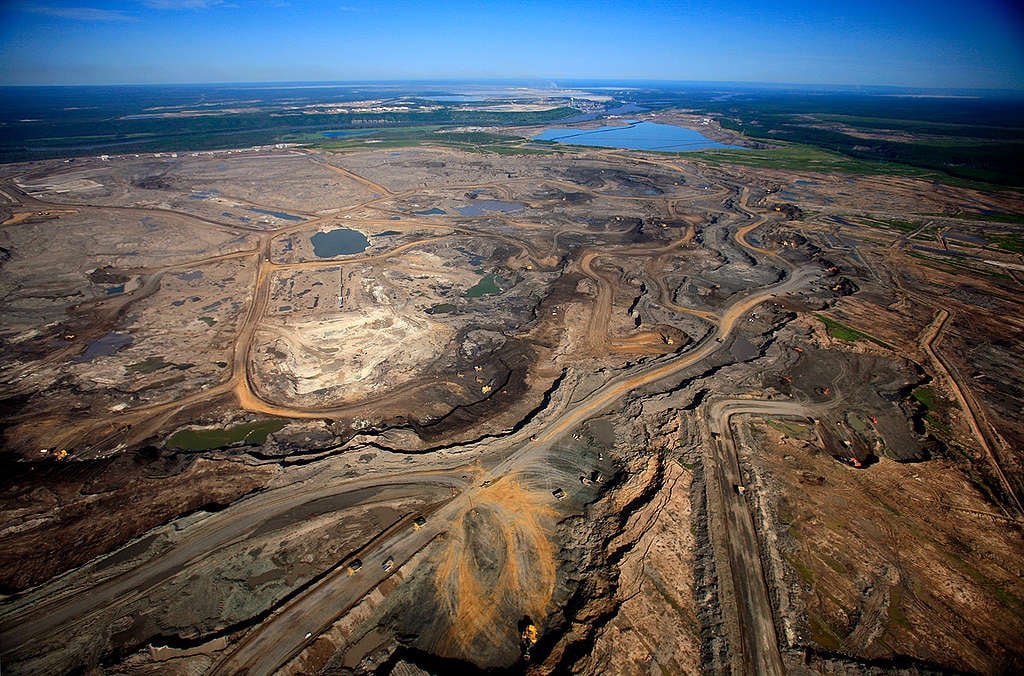
Bituminous sands are a type of sedimentary rock characterized by a matrix of sand and clay that is permeated with oil, earning it the name “bituminous.” These sands are a prized source of petroleum, making up two-thirds of the world’s oil reserves. The extraction process from these sands has a significant environmental impact, highlighting the importance of responsible practices to mitigate the negative effects on our planet.
1. Introduction to Bituminous Sands
Bituminous sands have been an essential component of human civilization for centuries. These rocks are formed when sand and clay particles settle in a body of water, creating a permeable rock that can store and release oil over time. The bitumen extracted from these sands is similar to crude oil and can be converted into synthetic or refined petroleum products directly in refineries.
2. Definition and Characteristics
Bituminous sands are classified as an unconsolidated sedimentary rock, meaning they are composed of loose particles that do not stick together. They are characterized by a high percentage of sand and clay content, with the remaining material consisting of minerals such as quartz, feldspar, and mica. The bitumen extracted from these sands is typically less viscous than crude oil, making it more suitable for refining processes.
3. Extraction Process
The extraction process involves removing the bitumen from the sand using various methods, including surface mining or drilling wells. To reduce viscosity, chemicals such as steam or solvents are often used to extract the bitumen. The extracted bitumen may contain varying compositions, with an average of 83.2% carbon, 10.4% hydrogen, 0.94% oxygen, 0.36% nitrogen, and 4.8% sulfur.
4. Environmental Impact
The extraction process from bituminous sands has severe environmental consequences, including deforestation, air pollution, and water contamination. The destruction of forests to make way for mining operations can lead to significant habitat loss and ecosystem disruption. Additionally, the energy required for extraction increases greenhouse gas emissions by up to 23%. Furthermore, large amounts of water are used in the process, which is then often discharged into massive ponds containing hazardous chemicals.
5. Human Health Impacts
The proximity of communities to bituminous sands extraction sites has led to increased rates of rare cancers, kidney disease, lupus, and thyroid disorders. Other living organisms, such as fish and animals, are also harmed by the pollution and habitat destruction caused by these operations. The World Health Organization (WHO) has recognized air pollution from oil sands extraction as a potential carcinogen.
6. Bituminous Sands in Canada
Canada is home to one of the largest reserves of bituminous sands, primarily located in the province of Alberta. The area around Fort McMurray has been particularly affected, with the nearby Athabasca River facing environmental degradation due to oil spills and contamination. In 2017, a major collapse at an ExxonMobil site in Canada resulted in significant losses for the company.
7. Bituminous Sands in Venezuela
Venezuela boasts the world’s largest deposit of bituminous sands, located in the Orinoco region. The extracted bitumen is more viscous than that found in Canadian deposits, earning it the classification as “extra-heavy oil.” Other countries with significant reserves include Russia and parts of Asia.
8. Global Significance
While other regions have smaller reserves of bituminous sands, their environmental impact should not be underestimated. It’s essential to consider the long-term consequences of extracting these resources and weigh them against their economic value. The United Nations Environment Programme (UNEP) estimates that oil sands extraction is responsible for around 10% of global greenhouse gas emissions.
9. Conclusion
The extraction process from bituminous sands has far-reaching environmental and health implications that cannot be ignored. As we move forward in our quest for energy resources, it is crucial that we prioritize sustainability and responsible practices to mitigate the negative effects on our planet. By adopting more efficient and sustainable extraction methods, investing in renewable energy sources, and promoting responsible land use practices, we can reduce the environmental impact of bituminous sand extraction.
FAQs
- What is the primary concern regarding bituminous sand extraction?
The main issue is the significant environmental impact of the process, including deforestation, air pollution, and water contamination. - How do bituminous sands differ from other types of oil deposits?
They are characterized by a higher viscosity and lower quality oil compared to conventional crude oil. - What are some common health problems associated with living near bituminous sand extraction sites?
Residents have reported increased rates of rare cancers, kidney disease, lupus, and thyroid disorders. - Can the environmental damage caused by bituminous sand extraction be reversed?
It is highly unlikely that the destruction of habitats and ecosystems can be fully restored once it has occurred. - How do bituminous sands contribute to climate change?
The increased energy consumption for extraction leads to higher greenhouse gas emissions, contributing to global warming. - What are some potential solutions to mitigate the environmental impact of bituminous sand extraction?
Implementing more efficient and sustainable extraction methods, investing in renewable energy sources, and promoting responsible land use practices can help reduce the negative effects. - Can other countries adopt similar extraction practices without experiencing severe environmental consequences?
It is unlikely that the same level of damage will occur if proper regulations and safeguards are put in place from the outset. - What role do governments play in regulating bituminous sand extraction?
They must establish and enforce strict environmental standards, provide adequate compensation to affected communities, and invest in alternative energy sources.
Recommendations
- Encourage the development of more sustainable extraction methods that minimize environmental harm.
- Invest in renewable energy sources to reduce dependence on fossil fuels.
- Promote responsible land use practices and reforestation efforts to restore damaged ecosystems.
- Establish and enforce strict environmental standards for bituminous sand extraction operations.
- Provide adequate compensation to affected communities and invest in alternative economic opportunities.
Future Directions
As the world transitions towards a more sustainable energy mix, it is essential that we prioritize responsible practices when extracting resources from bituminous sands. By adopting more efficient and sustainable extraction methods, investing in renewable energy sources, and promoting responsible land use practices, we can reduce the environmental impact of these operations. It is crucial that governments, industries, and communities work together to address the challenges associated with bituminous sand extraction and mitigate its negative effects on our planet.


