
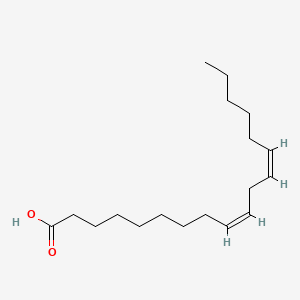
When we talk about linoleic acid, also known as an omega-6 fatty acid, we’re referring to a type of essential lipid composed of 18 carbon atoms. At first glance, the name may seem familiar, and you might have even heard it mentioned in advertisements. But what does it actually do, and why should we care?
What is Linoleic Acid?
Linoleic acid is part of a group of essential fatty acids known as omega-6s, along with other compounds like gamma-linolenic acid (GLA), dihomogamma-linolenic acid (DGLA), and arachidonic acid. In particular, linoleic acid plays a crucial role in producing certain endogenous bioactive molecules, such as prostaglandins and thromboxanes, which are essential for inflammatory processes and blood clotting.
The Benefits of Linoleic Acid
One of the most well-known effects of linoleic acid is its ability to lower total cholesterol levels. This is particularly significant, as it affects both the “good” and “bad” types of cholesterol. Moreover, research suggests that linoleic acid may also help alleviate various inflammatory and autoimmune diseases, such as:
- Atherosclerosis: Linoleic acid has been shown to reduce the risk of heart disease by lowering triglycerides and increasing high-density lipoprotein (HDL) cholesterol.
- Cardiovascular disease: The anti-inflammatory effects of linoleic acid may contribute to a reduced risk of cardiovascular events.
- Arthritis: Linoleic acid has been found to have anti-inflammatory properties, which may help alleviate symptoms of arthritis.
- Osteoporosis: Research suggests that linoleic acid may help reduce bone loss and improve bone density in postmenopausal women.
- Mood disorders: The omega-6 fatty acid may play a role in regulating mood and reducing symptoms of depression.
- Cancer: Linoleic acid has been found to have anti-cancerous effects, particularly in the treatment of breast cancer.
The Importance of Balance
However, it’s essential to note that an imbalance in the omega-6-to-omega-3 ratio can have negative consequences. While linoleic acid is a crucial component of our diet, consuming too much of it at the expense of omega-3 fatty acids can lead to increased inflammation and oxidative stress.
Where Can You Find Linoleic Acid?
Linoleic acid is found in various food sources, including:
- Sunflower seeds
- Grains (germ)
- Sesame seeds
- Nuts
- Soybeans
- Corn
- Olive oil
- Vegetable oils
According to the Dietary Reference Intake for Italy, linoleic acid should account for 2% of total daily energy intake. It’s also essential to maintain a balanced ratio with omega-3 fatty acids, which is generally recommended to be at least 6:1.
The Importance of Balanced Diets
Maintaining a well-balanced diet that includes the right amount and type of linoleic acid is crucial for overall health. Rather than relying on supplements, focus on incorporating whole foods into your diet to reap the benefits of this essential fatty acid.
Linoleic Acid Conjugate (CLA)
You may have also heard about linoleic acid conjugate (CLA), also known as Los Angeles acid. CLA is an isomer of linoleic acid, differing in the placement of its double bonds. While it’s found in animal products, such as meat and dairy, it’s also available in plant-based sources like sunflower oil.
Properties and Effects of CLA
Research suggests that CLA has various beneficial properties, including:
- Anticancerous effects: CLA has been shown to inhibit the growth of certain cancer cells.
- Anti-thrombotic effects: The anti-clotting properties of CLA may contribute to a reduced risk of cardiovascular events.
- Immunomodulatory effects: CLA has been found to have immunosuppressive effects, which may be beneficial in reducing inflammation.
- Anti-obesity effects: Research suggests that CLA may help reduce body fat and improve insulin sensitivity.
- Anti-diabetic effects: The omega-6 fatty acid may play a role in regulating blood sugar levels.
While CLA is considered safe for human consumption, its optimal dosage is still debated. More research is needed to fully understand the benefits and risks of CLA supplementation.
FAQs
- What is the difference between linoleic acid and linoleic acid conjugate (CLA)?
Linoleic acid is a type of omega-6 fatty acid, while CLA is an isomer of linoleic acid with distinct properties. - How much linoleic acid should I consume daily?
The recommended daily intake of linoleic acid varies depending on individual needs and dietary context. Generally, it’s recommended to obtain 2% of total daily energy from linoleic acid sources. - Can I get enough linoleic acid from supplements?
While supplements can provide additional linoleic acid, it’s generally recommended to obtain it through a balanced diet rich in whole foods. - How does the omega-6-to-omega-3 ratio affect my health?
An imbalance in this ratio can lead to increased inflammation and oxidative stress, so maintaining a balanced intake of both fatty acids is essential. - Can linoleic acid help with weight loss?
Research suggests that CLA may have anti-obesity effects, but more studies are needed to confirm its efficacy for human consumption. - Is linoleic acid safe for pregnant or breastfeeding women?
While generally considered safe, it’s always best to consult a healthcare professional before consuming supplements or making significant changes to your diet during pregnancy or lactation. - How can I ensure I’m getting enough linoleic acid in my diet?
Focus on incorporating whole foods rich in linoleic acid into your diet, and consider consulting with a registered dietitian or healthcare professional for personalized guidance.
By understanding the benefits and properties of linoleic acid, you can make informed decisions about how to incorporate this essential fatty acid into your lifestyle. Remember to maintain a balanced diet and consult with a healthcare professional before making any significant changes to your supplement routine.


