
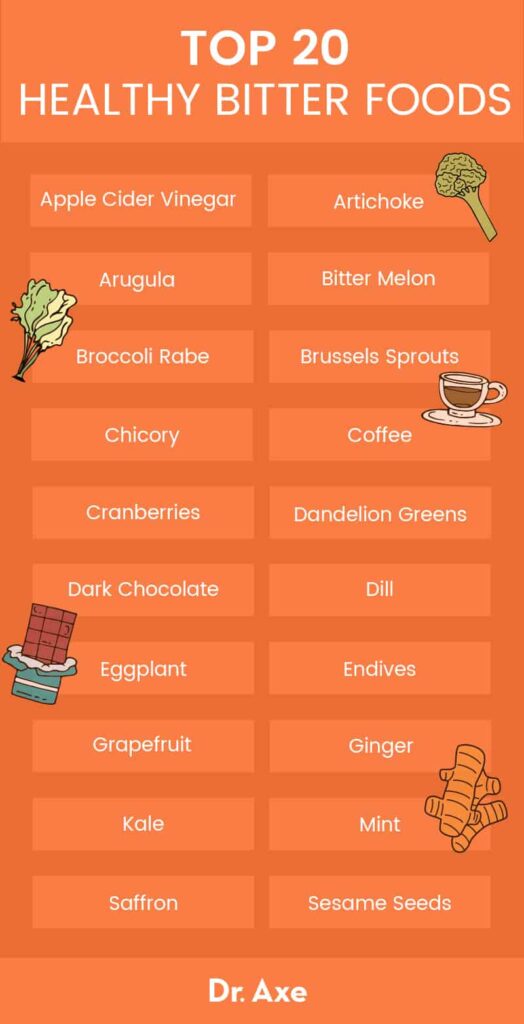
As we navigate the complex world of nutrition, it’s easy to overlook one crucial aspect of a balanced diet: bitter foods. While sweet and salty flavors dominate our plates, the earthy, sour taste of bitter foods often takes a backseat. However, these unsung heroes deserve our attention.
Why We Forget About Bitter Foods
In Western societies, diets are frequently characterized by an absence of bitter foods, leaving space for sugary, fatty, and salty options. This has led to the creation of the HFSS (High Fat, Sugar, and Salt) acronym, highlighting the risks associated with such a diet. Regularly consuming high amounts of sugar, fat, and salt can contribute to cardiovascular problems, obesity, hypertension, and diabetes.
Our food choices are also influenced by our biological system, specifically the sensory-perceptive-gustatory receptor. While our senses should be able to guide us towards nutrient-rich foods, not all tastes are processed equally by our bodies. Canals for ion exchange measure the passage of hydrogen ions and sodium ions; the sweet taste is mediated by the T1R1-T1R3 dimeric receptor, closely related to the umami T1R2-T1R3. The bitter response, however, involves a more complex mechanism with 25 different receptors from the T2R class that act in combination to recognize the multitude of bitter compounds found in nature.
The Language of Flavors
When we discuss flavors, it’s essential to remember that they carry messages about what is beneficial or detrimental for our health. These flavor signals serve as a form of communication that should guide us towards nutrient-rich foods and away from potentially toxic substances. From an early age, we learn to recognize these signs and adjust our behavior accordingly. While our gustatory system evolves over time, it can also adapt to new stimuli.
There are flavors that send messages of prescription (positive selection), encouraging us to seek out essential nutrients like sugar, fat, and proteins, and those that signal danger (negative selection), alerting us to the presence of potentially harmful compounds. Acidity is a classic example of this, with certain foods containing high levels of vitamin C that are beneficial for our health.
The Benefits of Bitter Foods
While often maligned, bitter foods contain bioactive compounds that can have a range of benefits when consumed in moderation. For instance, some plant-based substances like polphenols, terpenes, and glucosinolates are known as allies, yet they possess an amarognostic property.
Caffeine is another prime example – while it has an unpleasant taste due to its bitter nature, it can have numerous health benefits when consumed within reasonable limits. This highlights the importance of balance in our diets.
The Importance of Other Bitter Flavors
Beyond the realm of sour tastes, there are other flavors that deserve consideration. The pungent and spicy categories, often overlooked, contain compounds with medicinal properties. Peppercorns, for example, can be added to meals without any issues.
However, Western dietary habits have led to a lack of exposure to these flavor groups. Our diet has become dominated by industrially produced foods rich in sugar, fat, and salt, leaving little room for natural flavors. Even traditional yogurt is often altered to reduce its original acidity.
Why We Need to Rediscover Bitter Foods
The consequences of our dietary choices can be far-reaching, from contributing to obesity and diabetes to having a detrimental impact on the environment and agriculture. Many bitter foods have been lost over time, becoming harder to find on restaurant menus or in grocery stores.
To reclaim this nutritional heritage, we need to make changes to our food culture. Instead of modifying natural flavors to suit modern tastes, we should learn to appreciate their complexity. Small steps towards incorporating more bitter foods into our diets can lead to improved overall health and well-being.
A Journey of Rediscovery
It’s time for us to reacquaint ourselves with the world of bitter foods and explore their potential benefits. While it may seem daunting, reintroducing these ingredients gradually into our diet can have a significant impact on our health.
Research is underway to better understand how to rebalance our gustatory receptors and restore them to their natural function. By incorporating more plant-based and sour-tasting foods into our diets, we can regain a healthier balance between nutrients and calories.
The Benefits of Bitter Foods: A New Perspective
As we embark on this journey, let’s not forget that bitterness is a double-edged sword. While some bitter compounds can be toxic in excess, many are harmless or even beneficial when consumed within moderation.
Incorporating more sour foods into our diets can lead to improved overall health and well-being. It’s time for us to appreciate the complexity of flavors and reap the rewards of a more balanced diet.
The Role of Bitterness in Human Evolution
Bitterness has played a crucial role in human evolution, serving as an early warning system against toxic substances. In ancient times, humans would avoid consuming bitter foods that were harmful to their health. This avoidance strategy helped our ancestors survive and thrive in environments where toxins were prevalent.
Today, we have access to a wide range of fruits, vegetables, and other plant-based foods that contain beneficial compounds. However, our modern diets often prioritize sweet and salty flavors over bitterness, which can lead to nutrient deficiencies and a lack of essential compounds.
The Impact of Bitter Foods on Gut Health
Bitter foods have been shown to have a positive impact on gut health, promoting the growth of beneficial microorganisms and reducing inflammation in the digestive tract. This is particularly important for maintaining a healthy immune system and preventing chronic diseases like cancer and cardiovascular disease.
Incorporating more bitter foods into our diets can help regulate gut bacteria and improve overall well-being. However, it’s essential to note that individual tolerance levels may vary, and some people may experience adverse reactions to certain bitter compounds.
Common Bitter Foods and Their Health Benefits
- Dandelion greens: Rich in antioxidants and vitamins A, C, and K, dandelion greens have been shown to have anti-inflammatory properties and promote healthy digestion.
- Radishes: High in vitamin C and potassium, radishes can help lower blood pressure and improve immune function.
- Bok choy: This Asian green contains a range of vitamins and minerals, including calcium, iron, and potassium, which are essential for maintaining strong bones and healthy cells.
- Citrus fruits: Oranges, lemons, and limes are all high in vitamin C, which plays a crucial role in immune function and overall health.
Tips for Incorporating More Bitter Foods into Your Diet
- Start small: Introduce new bitter foods gradually into your diet to allow your taste buds to adjust.
- Experiment with different preparation methods: Try roasting, steaming, or sautéing bitter vegetables to bring out their natural flavors.
- Combine bitter foods with other ingredients: Pair bitter greens with sweet fruits or creamy sauces to create balanced and delicious meals.
- Seek out new sources of bitterness: Explore international cuisines, such as Indian or Middle Eastern cooking, which often incorporate a range of bitter compounds.
Conclusion
In conclusion, bitter foods are an essential component of a balanced diet, offering a range of health benefits when consumed in moderation. By incorporating more plant-based and sour-tasting foods into our diets, we can improve overall health and well-being, while also promoting gut health and regulating the immune system.
It’s time for us to rediscover the world of bitter foods and explore their potential benefits. Whether you’re looking to boost your energy levels or simply enjoy a more balanced diet, incorporating more bitter foods into your meals can have a significant impact on your overall health and well-being.
FAQs
-
What is bitterness in food?
Bitterness refers to a complex chemical response triggered by various compounds found in foods, often associated with sour or tart tastes. -
Why are bitter foods so important?
Bitter foods contain bioactive compounds that can have beneficial effects on our health when consumed in moderation, such as reducing inflammation and improving nutrient uptake. -
Which plants produce bitter flavors?
Many plant-based foods are naturally bitter, including vegetables like dandelion greens, radishes, and bok choy, as well as citrus fruits like lemons and oranges. -
Can I tolerate all types of bitterness?
While some people may be more sensitive to certain bitter compounds than others, research suggests that our bodies can adapt to different levels of exposure over time. -
How can I start incorporating more bitter foods into my diet?
Gradually introduce new ingredients into your meals and explore different preparation methods to find what works best for you. -
Can I make bitter foods safer by reducing their bitterness?
While some degree of bitterness is necessary for certain health benefits, overly reducing or eliminating bitter compounds can lead to nutrient deficiencies. -
What are some common sources of toxic bitterness?
Certain plants, such as cassava and wild potatoes, contain naturally occurring toxins that can cause bitter flavors. -
Can I consume bitter foods if I have sensitive taste buds?
While it may be challenging, incorporating more bitter foods into your diet can still provide health benefits, even for those with sensitive taste buds. -
Are there any contraindications to consuming bitter foods?
Individuals with certain medical conditions, such as stomach ulcers or acid reflux, should consult their healthcare provider before introducing new bitter foods into their diet. -
Can I grow my own bitter foods at home?
Yes! Many plant-based foods that are naturally bitter can be grown in your own garden, providing a convenient and cost-effective source of fresh ingredients.


