
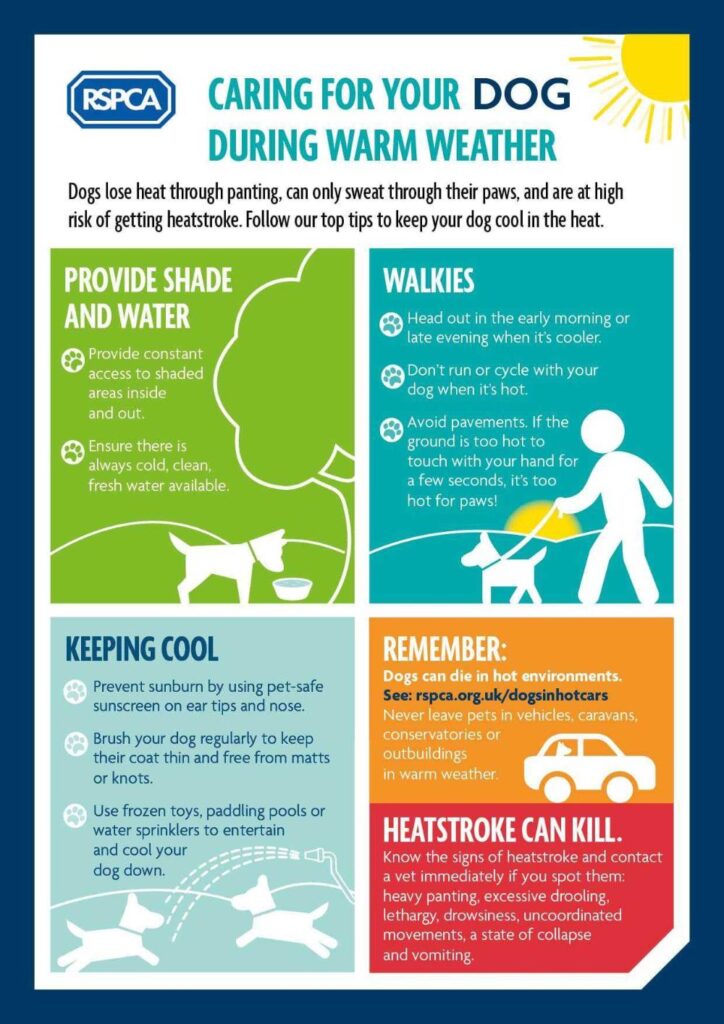
As a responsible pet owner, protecting your furry friend from the sun and heat is crucial to prevent heatstroke and other health issues. In this article, we’ll provide you with essential tips and guidelines on how to keep your pet safe during the hot summer months.
The Dangers of Heatstroke in Pets
Heatstroke is a serious condition that can affect pets of all ages and breeds. It occurs when the body temperature rises too high, causing damage to the brain and other vital organs. If left untreated, heatstroke can lead to seizures, coma, and even death. As a pet owner, it’s essential to recognize the signs of heatstroke in your furry friend:
• Loss of appetite
• Lethargy or depression
• Increased thirst and urination
• Drooling or foaming at the mouth
• Vomiting or diarrhea
• Difficulty breathing
Canines Most Prone to Heatstroke
Not all breeds are created equal when it comes to heat tolerance. Some canines, such as brachycephalic breeds (e.g., Boxers, Bulldogs, Pugs, and Peke Show), are more susceptible to heatstroke due to their short nasal passages and compact bodies. These dogs require extra precautions during hot weather.
Other High-Risk Pets
In addition to brachycephalic breeds, other pets at risk of heatstroke include:
• Senior pets
• Young puppies (under 6 months)
• Obese or overweight pets
Protecting Your Pet from the Sun and Heat
To keep your pet safe during the hot summer months, follow these essential tips:
Transporting Your Pet Safely in a Car
If you plan to transport your pet in a car, make sure to take the following precautions:
• Avoid using air conditioning as it can cause heat stress
• Provide frequent breaks for water, rest, and exercise
• Never leave your pet unattended in a parked car, even if it’s shaded or has windows rolled down
For short trips:
• Keep the windows slightly open to allow fresh air to circulate inside the vehicle
• Keep the car at a comfortable temperature (around 70°F to 80°F) by using the defroster or a thermometer
• Monitor your pet’s behavior and adjust the temperature accordingly
For long trips:
• Plan for more frequent stops every hour or two to give your pet a break
• Pack plenty of fresh water, food, and toys to keep your pet occupied during the journey
• Consider investing in a portable dog bed or mat for comfort and support
Paseggiando con il tuo cane quando fa molto caldo
When taking your dog for a walk during hot weather:
• Choose cooler parts of the day (early morning or late afternoon)
• Avoid walking on asphalt surfaces as they can get extremely hot
• Opt for grassy areas instead, which are cooler and more comfortable for your pet
To make walks more enjoyable for your dog:
• Keep the walk shorter than usual to avoid overheating
• Use a stroller or carrier if your dog is not enjoying the walk
• Bring plenty of water and snacks to keep your dog hydrated and energized
Proteggere il cane dal caldo in giardino
To ensure your dog’s safety in the backyard:
• Provide a shaded area for their bed or crate
• Make sure the water bowl is filled with fresh, cool water
• Consider installing a canopy or umbrella to block direct sunlight
For outdoor play areas:
• Choose grassy or turf surfaces instead of hot pavement or sand
• Provide plenty of shade and shelter from the sun
• Avoid leaving your dog unattended in an enclosed area during hot weather
Proteggendo il tuo cane dal sole
If you plan to take your pet outside during peak sun hours (10 am – 4 pm), consider the following:
• Apply dog sunscreen or apply human sunscreen specifically designed for dogs
• Wear protective clothing, including a hat and sunglasses
• Limit outdoor time to avoid prolonged exposure to direct sunlight
When choosing a dog sunscreen:
• Look for products with a high SPF rating (at least 30+)
• Consider your pet’s coat color: dark-coated pets may require higher SPF ratings than light-coated pets
• Apply sunscreen regularly, especially after swimming or bathing
Two popular dog sunscreen options include:
- Dermoscent: A gentle, non-greasy sunscreen with an SPF of 30+. It’s suitable for dark-coated pets and has moisturizing properties.
- Sunmist: A spray sunscreen with an SPF of 15, ideal for lighter-coated dogs. It’s easy to apply and provides protection against UV rays.
Choosing the Right Sunscreen for Your Dog
When selecting a dog sunscreen, consider your pet’s individual needs:
• Dark-coated pets (e.g., black or dark brown): require higher SPF ratings (30+)
• Light-coated pets (e.g., white or light-colored dogs): may require lower SPF ratings (15-20)
Other factors to consider when choosing a dog sunscreen:
• Moisturizing properties: look for sunscreens with ingredients like coconut oil, shea butter, or olive oil
• Water resistance: choose a sunscreen that can withstand swimming and bathing
• Easy application: opt for products with a spray or stick formula for quick and easy application
Tips for Traveling with Your Pet
When traveling with your pet, keep the following tips in mind:
• Research pet-friendly accommodations and transportation options ahead of time
• Pack plenty of food, water, and medication for your pet’s journey
• Consider investing in a portable dog bed or mat for comfort and support during travel
• Keep your pet’s identification tags up to date and secure
Conclusion
As a responsible pet owner, it’s your duty to protect your furry friend from the sun and heat. By following these essential tips and guidelines, you can ensure your pet stays safe and healthy during the hot summer months. Remember to stay vigilant and monitor your pet’s behavior, and don’t hesitate to seek veterinary attention if you suspect heatstroke or any other health issue.
Frequently Asked Questions (FAQs)
- Q: Can dogs get sunburned like humans?
A: Yes, dogs can suffer from sunburn, especially those with light-colored coats. - Q: How often should I apply sunscreen to my dog’s nose and ears?
A: Apply sunscreen every 8 hours or immediately after swimming or bathing. - Q: Can I use human sunscreen on my dog?
A: No, it’s not recommended to use human sunscreen on dogs due to the risk of overdose or skin irritation. - Q: What is the best way to cool down a hot dog in summer?
A: Provide plenty of fresh water, shade, and ventilation to help your pet stay cool. - Q: Can puppies get heatstroke?
A: Yes, puppies are more susceptible to heatstroke due to their small size and developing physiology. - Q: How can I recognize the signs of heatstroke in my dog?
A: Look for increased thirst and urination, drooling or foaming at the mouth, vomiting or diarrhea, difficulty breathing, and lethargy. - Q: Can dogs be protected from heatstroke with a fan?
A: While fans can provide some relief, they are not enough to prevent heatstroke in hot weather.
Additional Resources
For more information on protecting your pet from the sun and heat:
- Visit the American Kennel Club (AKC) website for tips on dog safety during hot weather
- Check out the ASPCA’s guidelines for keeping pets safe during extreme temperatures
- Consult with your veterinarian for personalized advice on protecting your pet from the sun and heat
By staying informed and taking proactive steps to protect your pet, you can help ensure a happy and healthy summer season for both you and your furry friend!


