
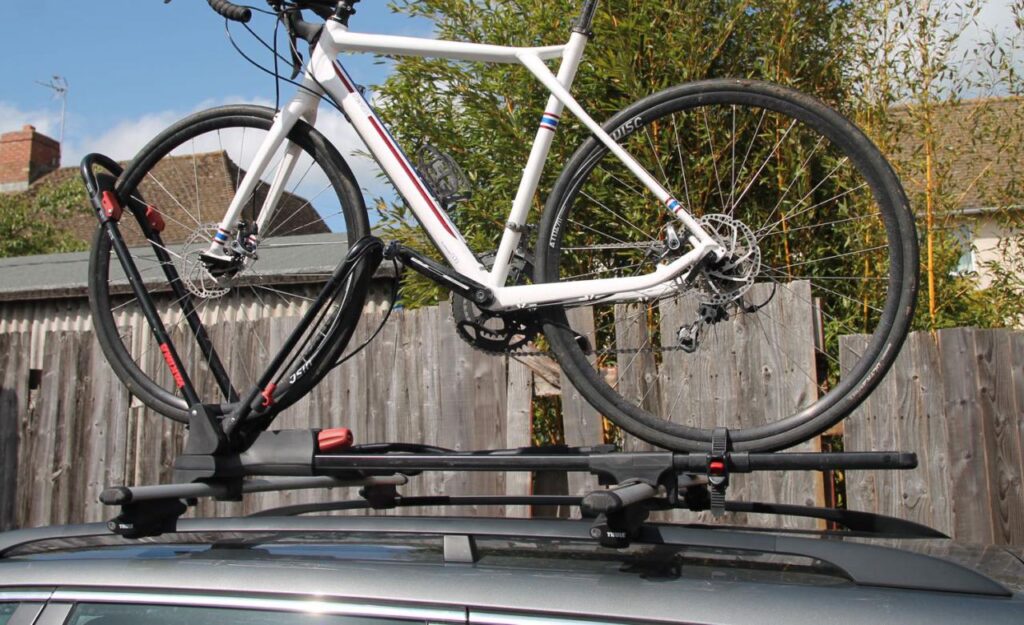
As a bike enthusiast, you’ve probably found yourself in situations where you need to transport your bike to and from various destinations. Whether it’s for leisurely rides, long-distance tours, or simply running errands, carrying your bike can be a challenge. In this article, we’ll explore the different options available for transporting bikes in cars, including internal carriages, external carriers, and roof racks.
Internal Carriage: The Most Convenient Option
Internal carriage is the most popular method of transporting bikes in cars. This involves attaching the bike to the vehicle’s interior using a rack or a special carrier. Internal carriage is ideal for short trips, as it allows you to easily access your bike and other luggage.
There are several types of internal carriages available, including:
- Bike racks: These attach directly to the car’s roof or side rails and provide a sturdy platform for carrying bikes.
- Seatpost-mounted carriers: These attach to the seatpost of the bike and allow it to be carried on the rear seats of the vehicle.
- Trunk-mounted carriers: These attach to the trunk lid of the car and provide a secure place for carrying smaller bikes.
Internal carriage is convenient because it allows you to carry your bike without having to worry about external attachments or securing the bike to a roof rack. However, it may not be the most practical option for longer trips or for transporting multiple bikes.
External Carriers: The Most Versatile Option
External carriers are ideal for longer trips or for transporting multiple bikes. There are several types of external carriers available, including:
- Rear carriers: These attach to the rear bumper of the vehicle and provide a large space for carrying bikes.
- Roof-mounted carriers: These attach directly to the car’s roof and provide a spacious platform for carrying bikes.
- Gangway carriers: These attach to the side rails of the vehicle and provide a wide, stable platform for carrying multiple bikes.
External carriers offer more flexibility than internal carriage because they can be adjusted to fit different bike sizes and types. However, they may require more effort to secure the bike during transport.
Tetrapod Carriers: The Most Expensive Option
Tetrapod carriers are the most expensive option, but they offer unparalleled stability and support for carrying heavy bikes. These carriers attach directly to the car’s roof and provide four sturdy legs for supporting the weight of the bike.
Tetrapod carriers are ideal for transporting high-performance or heavy-duty bikes that require extra support during transport. However, they may not be practical for shorter trips or for smaller bikes.
The Importance of Safety Considerations
When transporting your bike in an auto, it’s essential to consider safety first. Make sure to:
- Secure the bike: Use straps or clips to prevent the bike from shifting during transport.
- Check local regulations: Familiarize yourself with local laws and regulations regarding bike transportation on public roads.
- Be mindful of weather conditions: Avoid transporting bikes in extreme weather conditions, such as heavy rain or snow.
Additionally, consider the following safety tips:
- Always wear a helmet while riding your bike to ensure protection from head injuries.
- Make sure your bike is properly fitted with brakes and gears before transporting it.
- Keep an eye on the road conditions and weather forecast before embarking on a long trip.
Choosing the Right Carrier for Your Needs
Choosing the right carrier for your needs depends on several factors, including:
- Trip length: If you’re taking a short trip, internal carriage may be sufficient. For longer trips, external carriers or tetrapod carriers may be more practical.
- Bike weight: Heavier bikes require extra support and stability during transport. Tetrapod carriers are ideal for heavy-duty bikes.
- Personal preference: Consider your personal preferences when choosing a carrier. Some people prefer the convenience of internal carriage, while others prioritize flexibility and adjustability.
Common Mistakes People Make When Transporting Their Bike
When transporting your bike, it’s easy to make mistakes that can lead to damage or accidents. Here are some common mistakes to avoid:
- Not securing the bike properly
- Failing to check local regulations
- Ignoring weather conditions
- Carrying a bike that is not properly fitted with brakes and gears
- Transporting a bike in extreme weather conditions
Best Practices for Carrying Your Bike
To ensure safe and convenient transportation of your bike, follow these best practices:
- Always secure your bike using straps or clips before transporting it.
- Familiarize yourself with local regulations regarding bike transportation on public roads.
- Be mindful of weather conditions and avoid transporting bikes in extreme weather.
- Choose a carrier that is designed for carrying your specific type of bike.
Conclusion
Transporting your bike can be a convenient and efficient way to travel, but it requires careful consideration of safety and practicality. By understanding the different options available for carrying bikes in cars, you can choose the best solution for your needs and ensure a safe and enjoyable ride.
In this article, we’ve explored internal carriage, external carriers, and tetrapod carriers as options for transporting bikes in cars. We’ve also emphasized the importance of safety considerations, including securing the bike properly, checking local regulations, and being mindful of weather conditions.
Whether you’re an experienced cyclist or a beginner, carrying your bike can be a challenge. By choosing the right carrier for your needs and following best practices, you can enjoy safe and convenient transportation for your next adventure.
FAQs
- What is the most popular method of transporting bikes in cars?
Internal carriage is the most popular method, followed closely by external carriers. - How do I secure my bike during transport?
Use straps or clips to prevent the bike from shifting during transport. - Can I carry multiple bikes at once?
Yes, but make sure to choose a carrier that is designed for carrying multiple bikes. - What are some common mistakes people make when transporting their bike?
Common mistakes include not securing the bike properly, failing to check local regulations, and ignoring weather conditions. - How do I determine the best carrier for my needs?
Consider factors such as trip length, bike weight, and personal preference when choosing a carrier.
By understanding the different options available for carrying bikes in cars and following safety considerations, you can enjoy safe and convenient transportation for your next adventure.


