
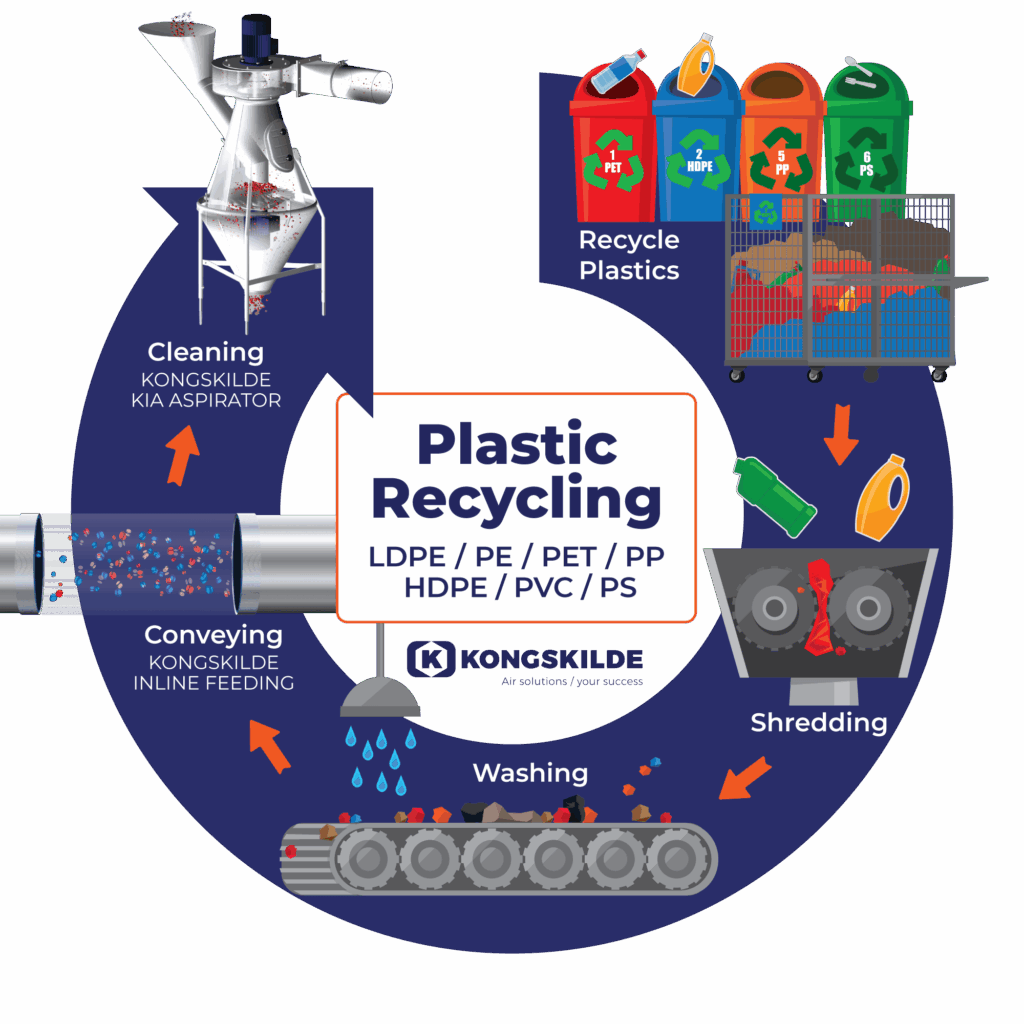
As we continue to face the challenges of climate change, waste management has become an increasingly important issue. One area that requires attention is the separation and recycling of plastic. In this article, we will delve into the world of plastic recycling, exploring the different methods used to separate and process plastic materials.
The Problem with Plastic Waste
Before we dive into the solutions, it’s essential to understand the problem at hand. Plastic waste has become a significant contributor to pollution, harming our environment, wildlife, and human health. The production of new plastics only adds to this issue, as raw materials are often extracted from non-renewable sources.
The consequences of plastic waste are far-reaching:
- Environmental damage: Plastic pollution harms marine life, contaminates soil and water, and affects ecosystems.
- Human health risks: Exposure to microplastics has been linked to various health issues, including cancer and respiratory problems.
- Economic impacts: The economic costs of plastic waste are substantial, with an estimated $13 billion spent annually on cleaning up marine debris.
Separation: A Crucial Step in Recycling
So, how do we tackle the problem of plastic waste? Separation is a critical step in recycling. It begins at home, where individuals can make a difference by sorting their trash into different categories. Plastic items should be placed in designated bins or containers, while non-plastic materials such as glass, metal, and paper should be discarded separately.
Industrial-Level Separation
At an industrial level, separation is a more complex process. Large machinery is used to sort plastic materials based on size, shape, and type. This ensures that the right materials are processed for recycling, minimizing contamination and improving efficiency.
Methods of Plastic Separation
There are several methods used in industrial-level plastic separation:
- Mechanical Sorting: This involves using machines to separate plastic materials based on size.
- Optical Sorting: This method uses specialized equipment to sort plastics based on their optical properties.
- Density-Based Separation: This approach separates plastics based on their density, allowing for the efficient processing of lighter and heavier materials.
The Role of PET and PVC in Plastic Recycling
Two common types of plastic are PET (Polyethylene Terephthalate) and PVC (Polvinilcloruro). These plastics have distinct properties that make them suitable for different applications. However, their separation is critical in the recycling process.
- PET: Traditionally separated from PVC using specific solvents.
- PVC: Separated based on its density, allowing for efficient processing.
Riciclo Eterogeno: A New Approach to Recycling
Not all plastics require separate sorting. The concept of “riciclo eterogeno” involves recycling a mix of materials containing PE, PP, PS, PVC, and other types of plastics.
- Blending: Mixed plastic materials are melted together to create a uniform product.
- Morphological Separation: Plastics are separated based on their shape and size.
- Magnetic Separation: Non-metallic materials are removed using magnets.
Benefits of Separating and Recycling Plastic
Separating and recycling plastic has numerous benefits, including:
- Conservation of natural resources: By reusing plastics, we reduce the need for new raw materials.
- Reduction of greenhouse gas emissions: The production of new plastics requires energy and generates emissions.
- Creation of jobs and economic growth: The recycling industry employs millions of people worldwide.
Challenges in Separating and Recycling Plastic
Despite the benefits, separating and recycling plastic is not without its challenges:
- Contamination: Plastics can be contaminated with other materials, making them difficult to recycle.
- Lack of infrastructure: In some areas, there may not be sufficient infrastructure for plastic recycling.
- Public awareness: Many people are unaware of the importance of separating and recycling plastic.
Conclusion
Separating and recycling plastic is a critical step in reducing waste and mitigating its harmful effects. By understanding the methods used to separate and process plastic materials, we can make informed decisions about how to recycle effectively. The benefits of separating and recycling plastic are numerous, but challenges exist. Addressing these challenges will require a concerted effort from individuals, communities, and governments around the world.
Recommendations for Separating and Recycling Plastic
To promote separation and recycling of plastic, consider the following recommendations:
- Reduce your use of single-use plastics: Choose products with minimal packaging or those that can be reused.
- Recycle correctly: Sort plastics according to type and follow local guidelines.
- Support plastic recycling infrastructure: Encourage governments and businesses to invest in recycling facilities.
- Raise awareness about the importance of separation and recycling: Educate others about the benefits of separating and recycling plastic.


