
Introduction
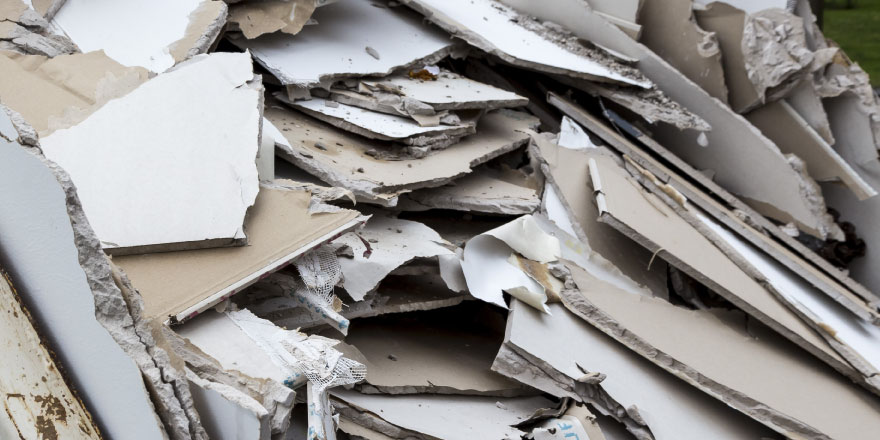
In the past, cartongesso was considered a waste product that ended up in landfills. However, with the advent of new recycling technologies, it’s now possible to recover and recycle this material entirely. In this article, we’ll explore the benefits of cartongesso recycling and how it’s changing the face of waste management.
What is Cartongesso?
Cartongesso is a composite material made from cellulose and gesso, two materials that are abundant in construction and bio-construction projects. It’s widely used for internal wall finishes and dry build systems due to its non-toxic nature and suitability for various applications.
The Problem with Traditional Cartongesso Waste Management
Until recently, cartongesso waste was largely discarded without any recycling process. The lack of a specific technology that could separate gesso from carton led to nearly all the material ending up in landfills.
Breaking Ground: The Limbiate Plant
The first-ever plant dedicated to cartongesso recovery and recycling has been activated at Cava di Trezzano’s Divisione Smaltimenti facility in Limbiate, Milan. This milestone marks a significant shift towards reducing waste and promoting sustainable practices in the construction industry.
How Does the Recycling Process Work?
The innovative technology employed by Limbiate is based on US and British models that took over two years to develop. The plant utilizes specialized equipment capable of fully separating gesso from carton, making it possible for both materials to be recovered and recycled.
Here’s an overview of the process:
- Selection: Components are sorted according to their material composition.
- Transportation: Cartongesso is loaded onto a conveyor belt using a forklift.
- Processing: The material passes through a separation machine that, employing a combination of crushing and frictional forces, separates gesso from carton with high accuracy.
- Sorting: Separated components are directed to different areas for storage.
Gesso Applications
Recycled gesso can be used in the production of new products such as building materials, cement, or even plaster. This offers an environmentally friendly alternative to traditional methods of producing these products from natural resources.
Carton Recycling
The recovered carton is destined for paper mills where it’s processed into recycled paper and cardboard. This not only reduces waste but also conserves the raw materials needed for new paper production.
Environmental Benefits
By utilizing this technology, we reduce the environmental impact of cartongesso waste disposal. The recycling process helps minimize pollution and promotes sustainable practices in construction projects.
Global Impact
The success of Limbiate’s plant could inspire similar initiatives worldwide. This would not only contribute to reducing global waste but also create new job opportunities for those involved in this growing field.
Conclusion
Cartongesso recycling is an innovative approach that’s changing the way we think about waste management. By utilizing advanced technologies, we can recover and recycle materials from construction projects while minimizing environmental harm.
This sustainable practice could be a model for industries looking to reduce their ecological footprint.
Here are 8 FAQs related to cartongesso recycling:
- Q: What is cartongesso, and how does it get recycled?
A: Cartongesso is a composite material made of cellulose and gesso. It’s recovered using advanced technology that separates the two components. - Q: Why is cartongesso waste so problematic to manage?
A: Until recently, there wasn’t enough technology available to separate gesso from carton effectively, leading to nearly all cartongesso waste ending up in landfills. - Q: What’s the role of Limbiate’s plant in addressing this issue?
A: It’s the world’s first plant dedicated to recovering and recycling cartongesso entirely. The technology used is based on models from the US and UK. - Q: How does the recycling process work at Limbiate?
A: Components are sorted, transported, processed through a separation machine that uses crushing and frictional forces to separate gesso from carton, and then stored separately. - Q: What can recycled gesso be used for?
A: It’s suitable for building materials, cement production, or making plaster products. This offers an eco-friendly alternative to natural resource extraction methods. - Q: Where does the recovered carton go after recycling?
A: It’s processed into recycled paper and cardboard at paper mills, reducing waste and conserving raw materials needed for new paper production. - Q: What are some of the environmental benefits of this process?
A: By recovering and reusing materials, we minimize pollution and promote sustainable practices in construction projects. This can have a broader global impact by inspiring similar initiatives worldwide. - Q: How could Limbiate’s plant impact industries looking to reduce their ecological footprint?
A: It demonstrates an effective approach to waste management that other industries might consider adopting for their own sustainability goals.
The Future of Waste Management
As we continue to face the challenges of environmental degradation, it’s essential that we explore innovative solutions like cartongesso recycling. This technology not only reduces waste but also promotes sustainable practices in construction projects.
By embracing this approach, we can create a more environmentally conscious future where waste management is no longer a significant concern.
Advancements and Future Directions
While Limbiate’s plant marks an exciting milestone, there are still many challenges to overcome before cartongesso recycling becomes widespread. However, with continued innovation and investment in research, it’s possible that this technology will become even more efficient and cost-effective in the future.
Some potential areas for advancement include:
- Scalability: As demand for cartongesso recycling grows, it will be essential to develop scalable solutions that can handle large volumes of waste.
- Cost-effectiveness: While the initial investment in cartongesso recycling technology may be high, it’s crucial to ensure that the process becomes cost-effective over time to make it a viable option for industries worldwide.
- Global coordination: To maximize the impact of cartongesso recycling, it will be necessary to coordinate efforts across different regions and countries. This could involve developing international standards and best practices for waste management.
Conclusion
The story of cartongesso recycling is one of innovation, sustainability, and determination. As we continue to navigate the complexities of waste management, it’s essential that we remain committed to finding solutions like this one. By working together, we can create a more environmentally conscious future where waste management is no longer a significant concern.
This article has provided an overview of cartongesso recycling, its benefits, and potential directions for advancement. As we move forward, it will be crucial to continue exploring innovative solutions to the challenges of waste management.
By embracing this approach, we can create a more sustainable world where waste management is no longer a significant concern.



