
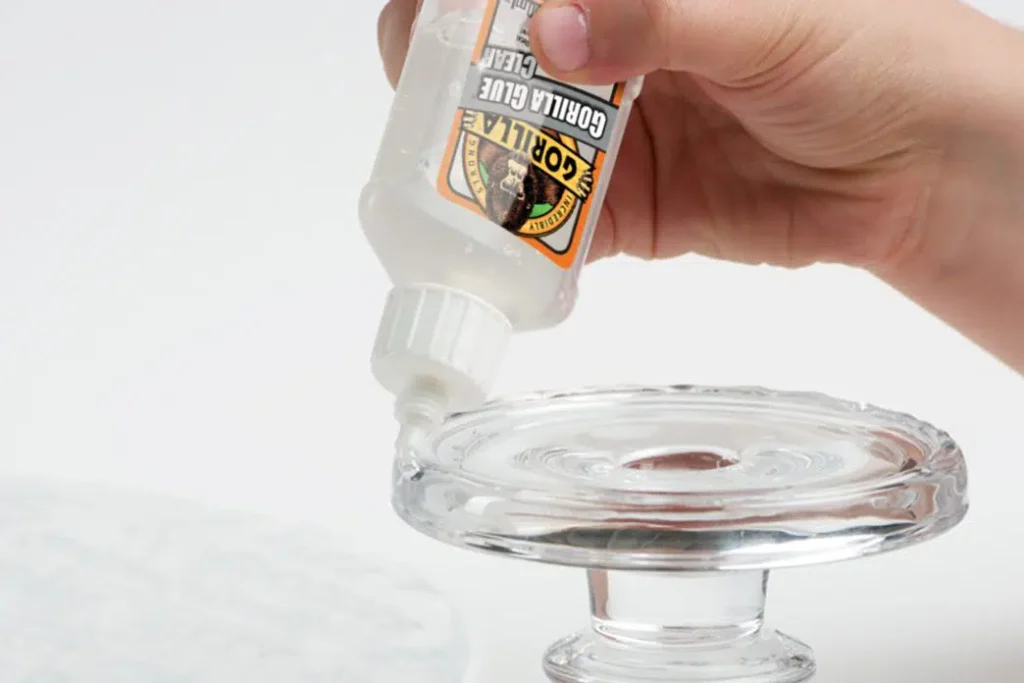
Glass is a rigid material with impermeable surfaces, making it challenging to bond with adhesives. However, the right adhesive can make all the difference in joining two glass pieces or attaching various materials to a glass surface.
In this article, we’ll explore the best adhesives for bonding glass and other materials, including wood, metal, plastic, and more. We’ll also discuss the importance of choosing the right adhesive for the specific application and provide examples of effective adhesives.
Choosing the Right Adhesive
When selecting an adhesive for bonding glass, it’s essential to consider the type of glass being used and the material being attached. Glass and metal have different porosities, which can affect the adhesive’s ability to bond effectively. Similarly, plastic and other materials require specialized adhesives.
Adhesives for Glass
- Silicone Acetate Adhesives: These adhesives are suitable for bonding glass to glass or attaching a silicone sealant around glass surfaces.
- Cyanacrylate Adhesives: Also known as super glues, these adhesives are versatile and can bond glass to metal, wood, or plastic.
- Epoxy Adhesives: These two-part adhesives are ideal for bonding metal to glass or attaching metal components to a glass surface.
Adhesives for Wood
- Cyanacrylate Adhesives: Suitable for bonding wood to glass or other materials.
- Polyurethane Adhesives: Can bond wood to glass, but may require special primers or coatings.
Adhesives for Metal
- Epoxy Adhesives: Ideal for bonding metal to glass or attaching metal components to a glass surface.
- Acrylic Adhesives: Suitable for bonding metal to glass, but may not provide the same level of strength as epoxy adhesives.
Adhesives for Plastic
- Cyanoacrylate Adhesives: Can bond plastic to glass or other materials.
- Acrylic Adhesives: Suitable for bonding plastic to glass, but may require special primers or coatings.
Tips and Precautions
- Always follow the manufacturer’s instructions when using adhesives.
- Clean the surfaces thoroughly before applying adhesive to ensure proper bonding.
- Use a primer or coating if necessary to improve adhesion.
- Avoid overheating or excessive pressure, which can damage glass or other materials.
Real-World Applications
- Glass Repair: Bonding broken glass pieces together or attaching new glass components to an existing frame.
- Window Replacement: Attaching new windows to a wall or repairing damaged windows.
- Furniture Making: Bonding glass surfaces to wood or metal frames.
FAQs
Q: What is the best adhesive for bonding glass?
A: The best adhesive for bonding glass depends on the specific application and materials involved. However, silicone acetate adhesives are often suitable for bonding glass to glass or attaching a silicone sealant around glass surfaces.
Q: Can I use a super glue (cyanacrylate adhesive) on any surface?
A: No, cyanacrylate adhesives can bond some materials, but they may not be suitable for all applications. Always follow the manufacturer’s instructions and test the adhesive on a small area before applying it to a larger surface.
Q: How long does it take for epoxy adhesives to dry?
A: Epoxy adhesives typically take several hours or overnight to fully cure, depending on the specific product and environmental conditions.
Q: Can I use an acrylic adhesive to bond metal to glass?
A: Yes, but may require special primers or coatings to ensure proper bonding.
Advanced Applications
- Glass Fiber Reinforced Polymer (GFRC) Fabrication: Epoxy adhesives are commonly used in GFRC applications due to their high strength and durability.
- Solar Panel Bonding: Silicone acetate adhesives are often used for bonding solar panels to frames or other components.
- Glass Etching: Acrylic adhesives can be used to bond glass etching powders or solutions to the glass surface.
Conclusion
Bonding glass requires a thorough understanding of the adhesive properties and compatibility with various materials. By choosing the right adhesive for the specific application, you can ensure strong and durable bonds that last over time. Remember to follow safety guidelines and manufacturer instructions when using adhesives, and don’t hesitate to seek professional advice if needed.
Additional Resources
- National Institute of Standards and Technology (NIST) Guidelines for Adhesive Selection
- American Society for Testing and Materials (ASTM) Standard Guide for Adhesive Selection
- Manufacturer’s instructions for specific adhesive products
By staying up-to-date with the latest adhesive technologies and best practices, you can achieve professional-grade results in your glass bonding applications.


