
The Sustainable Diet: A Conscious Food Choice for a Greener Future
As consumers, our food choices have a profound impact on the environment. This realization gives birth to the concept of the Sustainable Diet: a conscious food choice that not only reduces its environmental footprint but also has economic and health benefits.
The Problem: Food Waste
Did you know how much food ends up in the trash every year? On average, an Italian person throws away 27 kg of edible food annually. This translates to:
- 5% of bread going to waste
- 18% of meat being discarded
- 12% of fruits and vegetables ending up in the bin
The economic cost of this waste is staggering: approximately €584 per year.
Food waste not only harms the environment but also has significant social and economic implications. The loss of edible food can result in:
- Waste management issues, such as overflowing landfills and polluted water sources
- Economic losses for farmers, distributors, and consumers due to the disposal of unsold or spoiled products
- Negative impacts on public health, as food waste contributes to malnutrition and increased healthcare costs
The Environmental Impact
This isn’t just an economic loss; it also harms the environment. Our unsustainable lifestyle contributes to soil degradation, poor animal living conditions, and a range of other ecological issues.
Some of the key environmental concerns associated with food production, processing, transportation, and consumption include:
- Greenhouse gas emissions from livestock farming, agriculture, and transportation
- Water pollution due to agricultural runoff, pesticide use, and sewage
- Soil erosion and degradation resulting from intensive farming practices
- Loss of biodiversity, as habitats are destroyed or degraded for food production
The Solution: Sustainable Food Production
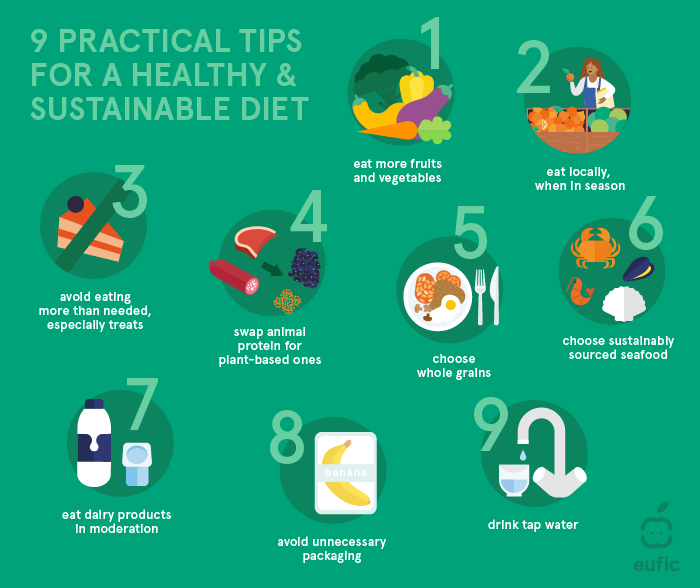
So, what can we do? The answer lies in simple yet effective changes:
- Produce Food that is Integrated with the Environment: Adopt sustainable agriculture practices such as permaculture, regenerative agriculture, and agroforestry to minimize environmental impacts.
- Consume Fresh, Locally Produced Foods: Prioritize locally sourced foods, which have a lower carbon footprint due to reduced transportation emissions and support local economies.
- Opt for Plant-Based Alternatives: Incorporate plant-based meals into your diet to reduce greenhouse gas emissions from livestock farming.
- Avoid Single-Use Plastics: Refuse single-use plastics in packaging, such as straws, bags, and water bottles.
Statistics Don’t Lie
Confectionery packaging accounts for up to 30% of an item’s selling price, squeezing the wallets of consumers while contributing to increased production waste. The packaging of packaged food generates approximately 12 million tons of waste every year – a staggering 40% of the total trash produced annually in Italy.
The Cost of Packaging
Packaging costs often exceed those of the actual product itself. For example:
- Canned beans have an impact on industrial pricing
- Passata in a 700g bottle has a price hike
- Brick-shaped fruit juice contributes to a increase in cost, while bottled milk costs over
Reducing Waste: Simple Solutions
By adopting these simple strategies:
- Using Reusable Shopping Bags: Reduce waste by up to 2 kg per week (140g of plastic)
- Preparing Meals from Scratch: Minimize packaging waste by cooking from scratch
- Buying Fresh Produce: Instead of packaged alternatives, choose fresh produce for better taste and nutrition
Conclusion: A Sustainable Future for All
By making conscious food choices, we can create a more sustainable future. It’s time to rethink our relationship with food production, consumption, and waste.
Frequently Asked Questions (FAQs)
- What is the impact of food packaging on the environment?
- Food packaging accounts for approximately 40% of total trash produced annually in Italy.
- How much money do we spend on packaging every year?
- The cost of packaging can exceed that of the actual product itself, contributing to increased waste and economic burden.
- What are some simple ways to reduce food waste?
- Produce food that is integrated with the environment, consume fresh, locally produced foods, and adopt reusable shopping bags to minimize plastic waste.
- How much can we save by adopting sustainable food production practices?
- By making conscious food choices, individuals can create a more sustainable future while reducing their environmental footprint.
- What is the role of governments in promoting sustainable food systems?
- Governments should implement policies that encourage sustainable agriculture, reduce packaging waste, and promote environmentally friendly food production methods.
- How can consumers make informed choices about the foods they buy?
- Consumers can look for products with minimal packaging, choose locally sourced ingredients, and opt for plant-based alternatives to reduce their environmental impact.
- What are some successful examples of sustainable food systems around the world?
- Countries like Japan and Sweden have implemented successful initiatives to promote sustainable agriculture and reduce food waste, showcasing the potential for environmentally conscious food production practices globally.
- How can individuals contribute to reducing food waste in their daily lives?
- Individuals can start by planning meals, buying only what they need, and cooking from scratch to minimize packaging waste and reduce their environmental footprint.
In conclusion, making conscious food choices is a crucial step towards creating a more sustainable future for all. By understanding the impact of our food choices on the environment, we can make informed decisions that promote environmentally friendly practices and contribute to reducing food waste globally.


