
What is Pet Therapy?
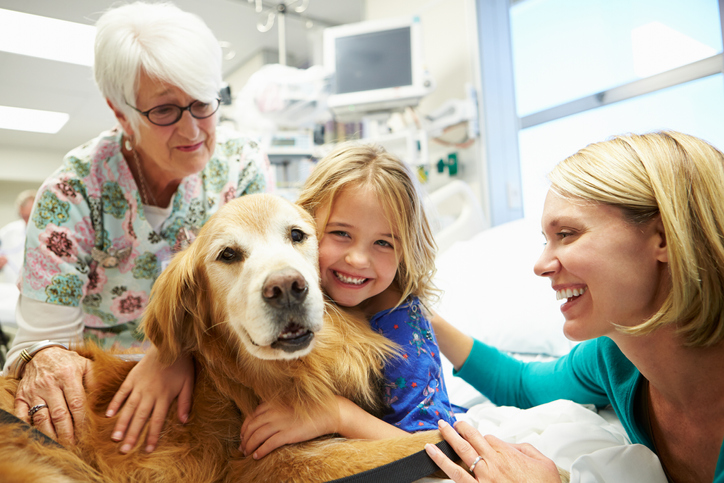
Pet therapy, also known as animal-assisted therapy, is a form of therapy that uses animals to help people with physical, emotional, or mental health issues. It’s not just a marketing gimmick; it’s a legitimate practice that has been around for decades.
At its core, pet therapy involves the interaction between an individual and an animal, which can have a profound impact on both parties involved. The bond formed between humans and animals can be incredibly powerful, providing emotional support, comfort, and healing to those who need it most.
What Makes a Pet Therapist?
A pet therapist is someone who works with trained animals to provide therapeutic benefits to individuals in need. They are not just animal handlers but professionals who have received specialized training and education in the field of animal-assisted therapy.
To become a certified pet therapist, one must undergo rigorous training and education in areas such as:
- Animal behavior and psychology
- Therapeutic techniques and modalities
- Client assessment and counseling
- Animal handling and safety
Types of Animals Used in Pet Therapy
The types of animals used in pet therapy vary, but they typically include dogs, cats, horses, and even dolphins! Each type of animal is suited to specific needs and populations. For example:
- Smaller animals like dogs and cats are often used with children, as they can provide a sense of comfort and companionship.
- Larger animals like horses may be more suitable for individuals with mobility issues, providing a unique form of equine-assisted therapy.
The Benefits of Pet Therapy
Pet therapy offers a wide range of benefits, including:
- Improved mental health: Interacting with animals can help reduce stress, anxiety, and depression.
- Reduced stress and anxiety: The calming presence of animals can help alleviate feelings of tension and unease.
- Enhanced social skills: Working with animals can help individuals develop essential communication and interpersonal skills.
- Increased self-esteem: Building confidence through animal-assisted therapy can have a profound impact on an individual’s sense of self-worth.
- Improved physical health: Some studies suggest that pet owners may experience lower blood pressure, cholesterol levels, and body mass index.
How Does Pet Therapy Work?
Pet therapy works by providing a unique and non-invasive form of therapy that allows individuals to interact with animals in a controlled environment. This interaction can help reduce stress, improve mood, and increase feelings of calmness and relaxation.
The process typically involves:
- A consultation with the pet therapist to discuss individual needs and goals
- Introduction to the animal(s) being used for therapy
- A session or series of sessions tailored to the individual’s specific requirements
The Role of the Pet Therapist
A pet therapist plays a crucial role in making sure that the animal-assisted therapy is conducted safely and effectively. They are responsible for:
- Ensuring that the animals are well-trained and well-behaved
- Matching the animals with individuals who need their services
- Conducting sessions with individuals in need
- Providing education and training to clients
The History of Pet Therapy
Pet therapy has been around for decades, with its roots dating back to the 1960s. Since then, it has grown into a widely recognized form of therapy that is used by therapists and healthcare professionals all over the world.
One notable example is the work of Dr. Brenda Griffin, who in the 1980s developed the concept of animal-assisted reading for children with dyslexia. Her research showed that children with dyslexia benefited significantly from interacting with animals during reading sessions.
Pet Therapy for Autism
One of the most significant benefits of pet therapy is its ability to help individuals with autism spectrum disorder (ASD). Interacting with animals can provide a sense of calmness and relaxation, which can be especially helpful for individuals who struggle with anxiety and stress.
Studies have shown that children with ASD may benefit from:
- Reduced symptoms of anxiety and depression
- Improved social skills and communication
- Increased confidence and self-esteem
Pet Therapy for Children
Pet therapy is also beneficial for children, particularly those with developmental delays or special needs. Interacting with animals can help improve social skills, reduce stress, and increase feelings of confidence and self-worth.
Some examples of successful pet therapy programs for children include:
- Equine-assisted learning (EAL) programs
- Animal-assisted reading programs
- Pet-friendly libraries and community centers
Getting Involved in Pet Therapy
If you’re interested in getting involved in pet therapy, there are several ways to do so:
- Volunteer at a local animal shelter or therapy organization
- Take courses or training programs in animal-assisted therapy
- Consider becoming a certified pet therapist yourself
To become a certified pet therapist, one must complete the following requirements:
- Earn a degree in animal science, psychology, or a related field
- Complete a minimum of 200 hours of animal-assisted therapy coursework
- Gain experience working with animals and individuals in need
Frequently Asked Questions
Here are some frequently asked questions about pet therapy and pet therapists:
Q: How does pet therapy work?
A: Pet therapy works by providing a unique and non-invasive form of therapy that allows individuals to interact with animals in a controlled environment.
Q: What types of animals are used in pet therapy?
A: The types of animals used in pet therapy vary, but they typically include dogs, cats, horses, and even dolphins!
Q: What are the benefits of pet therapy?
A: Pet therapy offers a wide range of benefits, including improved mental health, reduced stress and anxiety, enhanced social skills, increased self-esteem, and improved physical health.
Q: How do I become a certified pet therapist?
A: To become a certified pet therapist, you’ll need to take courses or training programs in animal-assisted therapy and gain experience working with animals.
Q: Can anyone be a pet therapist?
A: While anyone can work with animals, becoming a certified pet therapist requires specialized training and education.


