
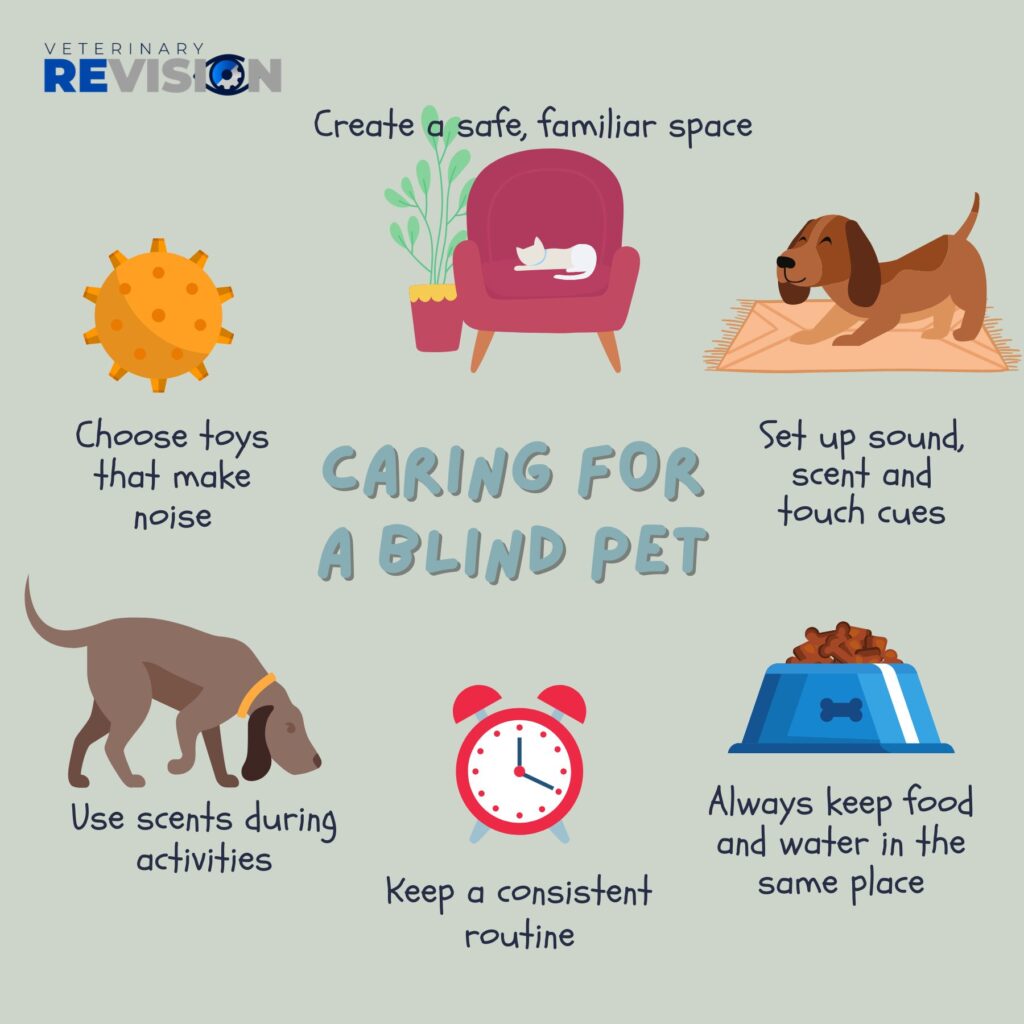
As a dog owner, it’s natural to feel worried or unsure about how to care for your pet if they become blind. However, with the right approach and strategies, you can help your dog lead a happy and fulfilling life despite their visual impairment.
What Causes Canine Blindness?
Canine blindness can be caused by various factors, including age-related deterioration, injury, or disease. Some common causes of blindness in dogs include:
- Cataracts
- Retinal degeneration
- Inflammation of the optic nerve
- Glaucoma
- Tumors
- Diabetes
- Trauma to the eyes
Caring for a Blind Dog from Birth
In some cases, a dog may be born with blindness. If this is the case, it’s essential to provide your dog with proper care and training from an early age. This can include:
- Creating a safe and obstacle-free environment
- Using scent marking to help your dog navigate
- Providing regular exercise and mental stimulation
- Working with a veterinarian or animal behaviorist to develop a customized care plan
Recognizing Signs of Blindness
If you suspect that your dog is losing their vision, there are several signs you should look out for:
- Avoiding bumping into objects or people
- Displaying altered behavior or mood
- Losing interest in activities they once enjoyed
- Having difficulty navigating familiar spaces
Managing Canine Blindness
If your dog has become blind, it’s crucial to take steps to manage their condition and ensure their well-being. This can include:
- Working with a veterinarian to develop a comprehensive care plan
- Using assistive devices such as guide dogs or GPS-enabled collars
- Providing regular exercise and mental stimulation to keep your dog engaged and active
- Making modifications to your home to create a safe and obstacle-free environment
Blindness in Combination with Hearing Loss
If your dog is also deaf, it can be even more challenging to care for them. However, with the right approach and strategies, you can help your dog lead a happy and fulfilling life despite their visual and auditory impairments. This can include:
- Using scent marking to help your dog navigate
- Providing regular exercise and mental stimulation to keep your dog engaged and active
- Working with a veterinarian or animal behaviorist to develop a customized care plan
Blindness in Senior Dogs
As dogs age, it’s common for them to experience some degree of visual impairment. However, this doesn’t necessarily mean that your dog will become blind entirely. With proper care and attention, you can help your senior dog maintain their quality of life and continue to enjoy activities they love.
Some tips for caring for a blind senior dog include:
- Modifying your home to create a safe and obstacle-free environment
- Using assistive devices such as guide dogs or GPS-enabled collars
- Providing regular exercise and mental stimulation to keep your dog engaged and active
- Working with a veterinarian or animal behaviorist to develop a comprehensive care plan
Adapting Your Home for a Blind Dog
Making modifications to your home can help create a safe and obstacle-free environment for your blind dog. This can include:
- Removing tripping hazards such as throw rugs and electrical cords
- Installing handrails on stairs
- Using non-slip mats in high-traffic areas
- Providing clear pathways through the house
Creating a Safe Outdoor Environment
If you plan to take your blind dog for regular walks, it’s essential to create a safe outdoor environment. This can include:
- Choosing routes with minimal obstacles and hazards
- Using verbal cues or hand signals to help guide your dog
- Keeping your dog on a short leash to prevent them from getting too far ahead
Providing Mental Stimulation
Providing regular mental stimulation is essential for keeping your blind dog engaged and active. This can include:
- Engaging in scent work activities such as hiding treats or toys with a strong scent
- Providing puzzle toys filled with treats or kibble
- Taking your dog on sensory walks to explore new sights, smells, and sounds
Assistive Devices for Blind Dogs
There are several assistive devices that can help support your blind dog’s independence and mobility. These include:
- Guide dogs trained to assist visually impaired dogs
- GPS-enabled collars that use location tracking technology to guide your dog
- Canine wheelchairs or orthopedic wheels to aid mobility
Conclusion
Caring for a blind dog requires patience, understanding, and the right approach. By recognizing signs of blindness, managing canine blindness, and adapting your home and outdoor environment, you can help your dog lead a happy and fulfilling life despite their visual impairment. With the right assistive devices and mental stimulation, your blind dog can continue to enjoy activities they love and thrive in their own unique way.
Frequently Asked Questions
- What is the best way to care for a blind dog?
- The best way to care for a blind dog is to work with a veterinarian or animal behaviorist to develop a comprehensive care plan. This can include modifying your home to create a safe and obstacle-free environment, using assistive devices such as guide dogs or GPS-enabled collars, and providing regular exercise and mental stimulation.
- Can blindness be reversed in dogs?
- In some cases, blindness can be reversible with treatment or surgery. However, this is not always possible, and the outcome depends on the underlying cause of the blindness.
- How do I recognize signs of blindness in my dog?
- There are several signs that your dog may be losing their vision, including avoiding bumping into objects or people, displaying altered behavior or mood, losing interest in activities they once enjoyed, and having difficulty navigating familiar spaces.
- What is the best way to manage canine blindness?
- The best way to manage canine blindness is to work with a veterinarian to develop a comprehensive care plan. This can include modifying your home to create a safe and obstacle-free environment, using assistive devices such as guide dogs or GPS-enabled collars, and providing regular exercise and mental stimulation.
- Can a blind dog still enjoy activities they love?
- Yes, a blind dog can still enjoy activities they love with the right approach and strategies. This can include modifying your home to create a safe and obstacle-free environment, using assistive devices such as guide dogs or GPS-enabled collars, and providing regular exercise and mental stimulation.
By understanding and caring for your blind dog, you can help them lead a happy and fulfilling life despite their visual impairment. With the right approach and strategies, you can create a safe and supportive environment that allows your dog to thrive.


