
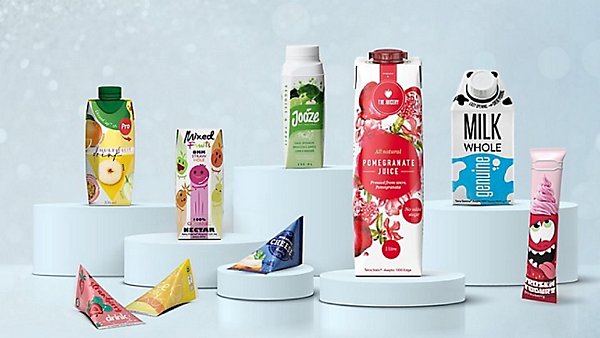
Tetrapak, the most widely used material for preserving liquid foods, is a topic of debate – is it trash or a resource? Tetrapak, composed of paper coated with plastic outside and aluminum inside, making it perfect for keeping food fresh due to its air-tightness, can be perfectly recycled.
The cellulose fraction present in Tetrapak can be recovered in paper production during the recycling process of paper. Once the containers are immersed in water, the cellulose fibers break free from plastic and aluminum, allowing materials to be separated and transformed into new products.
Inside specialized facilities, Tetrapak undergoes mechanical separation of its components. Paper will be recycled and aluminum parts destined for plastic regeneration facilities. From Tetrapak recycling emerges two materials: aluminum and polyethylene, which are re-mixed to produce a defined “Ecoallene” compound, giving life to various objects, while paper enters the recycling cycle becoming “Cartafrutta”.
Understanding Tetrapak
The triple composition of Tetrapak leaves doubts about its correct destination within the waste cycle, not surprisingly many wonder whether tetra-pack containers should be thrown away with cardboard, plastic or elsewhere.
We need to find out if your city has active waste differentiation service for Tetrapak as it’s not available in all cities.
To know which municipalities have this service active, simply click on tiriciclo.it and consult the interactive Italy map. The initiative is by Tetrapack in collaboration with Comieco, the National Consortium Recycling of Cellulose-Based Packaging Materials.
Distinguishing Tetrapak: Methods of Recyclability
How many times have we pretended to make a mistake and thrown it away in the non-differentiated waste?
Cartons Tetrapak need to be washed without overdoing it to avoid unnecessary waste, then crushed to reduce their volume. Finally, they should be put into the same container for paper and cardboard collection or into separate multi-material recyclable containers. Pay attention to the CA symbol on the container, in this case, it’s not a Tetrapak but a paper-based product that needs to be collected with similar items.
Recycling Process: What Happens Next?
Once Tetrapak is collected, it undergoes mechanical separation at specialized facilities. This process involves the following steps:
- Sorting: The Tetrapak containers are sorted based on their composition, separating paper from plastic and aluminum.
- Washing: The Tetrapak containers are washed to remove any contaminants or residue that may affect the recycling process.
- Crushing: The Tetrapak containers are crushed to reduce their volume and facilitate further processing.
- Pulping: The cellulose fraction present in Tetrapak is recovered during the pulping process, which involves breaking down the paper into its individual fibers.
Benefits of Recycling Tetrapak
Recycling Tetrapak offers several benefits for both the environment and society as a whole:
- Conservation of Raw Materials: By recycling Tetrapak, we conserve raw materials such as wood pulp, water, and energy.
- Reduced Waste: Tetrapak recycling helps reduce the amount of waste sent to landfills, which in turn reduces greenhouse gas emissions and pollution.
- Creation of New Products: The recycled materials from Tetrapak can be transformed into new products, reducing the need for virgin raw materials.
Conclusion
Tetrapak is an often-overlooked material in waste management discussions, yet its recycling potential is undeniable. By understanding how Tetrapak can be recycled and what happens during the process, we can make more informed decisions about our consumption habits and the materials we discard.
By choosing to recycle Tetrapak, we are not only doing our part for the environment but also contributing to the creation of new products from recycled materials.
Frequently Asked Questions (FAQs)
- Can I recycle Tetrapak in my local recycling bin?
To determine if your city has a waste differentiation service for Tetrapak, visit tiriciclo.it and consult the interactive Italy map. - What happens to Tetrapak during the recycling process?
Tetrapak undergoes mechanical separation of its components at specialized facilities. Paper is recycled, while aluminum parts are destined for plastic regeneration facilities. The cellulose fraction is recovered in paper production. - Can I wash and crush Tetrapak before recycling it?
Yes, you can wash and crush Tetrapak before recycling it to ensure proper separation from other materials. - What should I put my Tetrapak container into for collection?
Put the container into the same container for paper and cardboard collection or into separate multi-material recyclable containers with a CA symbol. - Can I recycle Tetrapak if it has a CA symbol on the container?
No, a CA symbol indicates that the material is not Tetrapak but a paper-based product that should be collected separately. - How do I properly prepare my Tetrapak for recycling?
Wash and crush the Tetrapak before putting it into the collection container. - What happens to the recycled materials from Tetrapak?
The cellulose fraction is recovered in paper production, while aluminum parts are re-mixed to produce “Ecoallene” compound. Paper becomes “Cartafrutta”. - Can I recycle all Tetrapak containers?
Only TetraPak-specific containers should be recycled. Other materials with a CA symbol should be collected separately.
Tips and Tricks for Recycling Tetrapak
Here are some additional tips to help you recycle Tetrapak effectively:
- Check the symbol: Look for the Tetra Pak logo or the “Ecoallene” symbol on the container to ensure it can be recycled.
- Don’t mix with other materials: Keep Tetrapak separate from other recyclable materials, such as paper and cardboard.
- Wash before crushing: Wash the Tetrapak containers before crushing them to remove any contaminants or residue that may affect the recycling process.
- Use a specialized bin: Use a dedicated bin for collecting Tetrapak to ensure it is sorted properly during processing.
Future of Tetrapak Recycling
As concern for waste management and sustainability continues to grow, the recycling of Tetrapak will play an increasingly important role in reducing waste and promoting environmentally friendly practices.
By understanding how Tetrapak can be recycled and what happens during the process, we can make more informed decisions about our consumption habits and the materials we discard.
Together, we can create a more sustainable future for all.


