
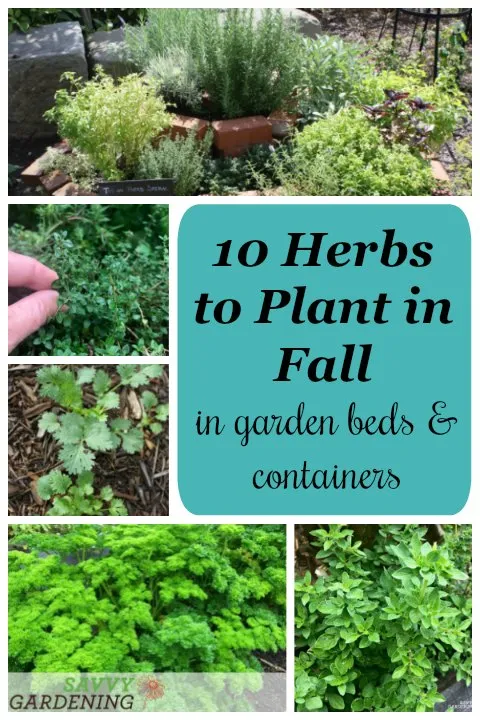
As the autumn season approaches, it’s time to prepare our kitchens for a new wave of flavors. While many herbs are associated with spring and summer, there are plenty of options that thrive in the cooler temperatures of fall. In this article, we’ll explore the best autumn herbs to grow, along with their unique characteristics and uses.
Why Grow Autumn Herbs?
As the weather cools down, our palates crave heartier flavors. By growing your own autumn herbs, you can enjoy a steady supply of fresh greens and aromatics throughout the season. Plus, many of these herbs are easy to cultivate and require minimal maintenance. Growing your own autumn herbs also allows you to avoid additives and preservatives found in store-bought herbs, ensuring you’re getting the freshest flavor possible.
10 Autumn Herbs to Grow
Here’s a list of the top 10 autumn herbs to grow, in alphabetical order:
- Basilico Thai: While typically an summer herb, Basilico Thai can tolerate cooler temperatures and is an excellent choice for fall gardens.
- Cerfoglio: With its delicate flavor and versatility, Cerfoglio is a great addition to any autumn garden.
- Coriandolo: This aromatic herb is a great choice for fall gardens, as it’s relatively low-maintenance and can thrive in cooler temperatures.
- Crescione Inglese: Also known as wild marjoram, Crescione Inglese is a fragrant herb that’s perfect for autumn cooking.
- Liquirizia: While not technically an herb, Liquirizia’s root system makes it a valuable addition to any autumn garden.
- Menta Romana: This variety of mint is well-suited to fall gardens, where its temperature tolerance allows it to thrive.
- Portulaca Invernale: Also known as winter purslane, this herb can be grown in autumn and will continue to produce leaves throughout the season.
- Senape: With its pungent flavor and numerous health benefits, Senape is a staple of many autumn gardens.
- Tarassaco: The root system of Tarassaco makes it an excellent choice for fall gardens, where it can be harvested as needed.
- Zafferano: This golden-hued herb is prized for its unique flavor and aroma, making it a standout in any autumn garden.
Tips for Growing Autumn Herbs
To ensure success when growing autumn herbs, follow these tips:
- Choose a location with partial shade to full sun, depending on the herb’s requirements.
- Water regularly, but avoid overwatering, which can lead to root rot and other problems.
- Mulch around plants to retain moisture and suppress weeds.
- Harvest leaves and stems as needed to encourage bushy growth and prevent flowering.
- Fertilize your autumn herbs lightly, as excessive fertilization can promote weak growth and reduce flavor.
Using Autumn Herbs in Cooking
Autumn herbs offer a wide range of flavors and aromas that can elevate any dish. Here are some ideas for using these herbs in cooking:
- Use Basilico Thai to add depth to soups, stews, and stir-fries.
- Add Cerfoglio to salads, pasta dishes, and roasted vegetables for a burst of freshness.
- Incorporate Coriandolo into curries, soups, and braises for added warmth and flavor.
- Use Crescione Inglese to make teas, infusions, and sauces.
- Mix Menta Romana into cocktails or use it as a garnish for salads and desserts.
Frequently Asked Questions
Here are some answers to common questions about growing and using autumn herbs:
Q: What’s the best way to store autumn herbs?
A: Most autumn herbs can be stored in a cool, dry place, such as a refrigerator or freezer. However, some herbs like Zafferano may require more specialized storage.
Q: Can I grow autumn herbs indoors?
A: Yes, many autumn herbs can thrive indoors with proper care and lighting. Just ensure your plants receive sufficient light and maintain optimal temperatures.
Q: How do I propagate autumn herbs?
A: Most autumn herbs can be propagated through cuttings, division, or seed. However, some herbs like Tarassaco may require more specialized propagation methods.
Q: What’s the difference between a herb and an herb root?
A: While both herbs and roots are edible plants, they have distinct differences in terms of usage and preparation. Herbs are typically used fresh or dried, while roots may require cooking or processing before consumption.
Q: Can I use autumn herbs in savory dishes only?
A: No, many autumn herbs can also be used in sweet dishes, such as desserts, baked goods, and beverages. For example, Zafferano pairs well with honey and lemon in a sweet salad dressing.
Tips for Preparing Autumn Herbs
To get the most out of your autumn herbs, follow these tips:
- Harvest leaves and stems at dawn or dusk when they’re at their peak flavor.
- Rinse fresh herbs gently to remove any dirt or debris.
- Pat dry excess moisture before using to prevent water spots on dishes.
- Chop or tear fresh herbs just before use for maximum flavor release.
How Autumn Herbs Can Improve Your Health
In addition to adding flavor and aroma to your meals, autumn herbs also offer numerous health benefits. Here are some ways that growing and using autumn herbs can improve your well-being:
- Senape contains antioxidants that may help reduce inflammation in the body.
- Menta Romana is known for its digestive benefits and has been shown to alleviate symptoms of irritable bowel syndrome (IBS).
- Tarassaco’s roots have anti-inflammatory properties that may help soothe sore throats and support immune function.
Growing Autumn Herbs on a Small Scale
If you don’t have a large garden, don’t worry! Many autumn herbs can thrive in small spaces, such as balconies, patios, or even windowsills. Here are some tips for growing autumn herbs on a small scale:
- Choose compact or dwarf varieties that are specifically bred for container gardens.
- Use well-draining potting mix and containers to prevent waterlogged soil.
- Provide sufficient light and maintain optimal temperatures for your chosen herb.
Conclusion
Autumn is a time of harvest and abundance, and growing your own autumn herbs can add a new dimension to your cooking. By following these tips and ideas, you’ll be well on your way to unlocking the flavors of the season and enjoying fresh, fragrant greens all year round. Whether you’re a seasoned gardener or just starting out, there’s never been a better time to explore the world of autumn herbs!


