
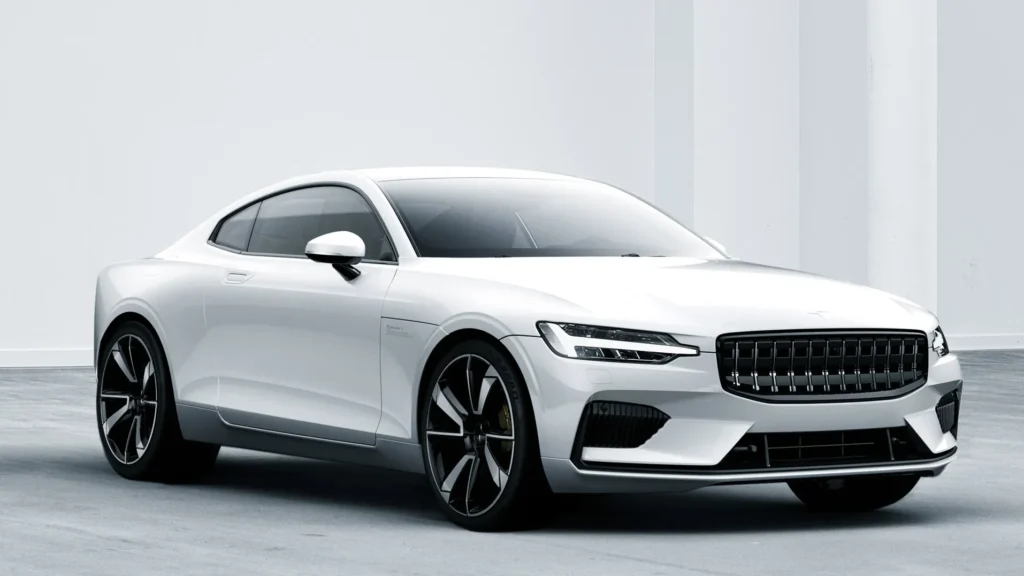
As we move towards a more sustainable future, electric cars are becoming an increasingly popular option for environmentally conscious drivers. One of the main advantages of electric cars is their lower operating costs, with reduced maintenance and fuel expenses compared to traditional gasoline-powered vehicles. However, one of the biggest hurdles to widespread adoption is the charging process itself.
The Problem of Charging: A Barrier to Electric Cars
Historically, the primary concern for electric car owners has been the lack of convenient and efficient charging infrastructure. In the past, charging often required a physical connection to an electrical outlet, which could be time-consuming and inconvenient. This limited the range and accessibility of electric cars, making them less appealing to potential buyers.
In addition to the inconvenience factor, traditional charging methods also posed some safety risks. Electrical fires and overcharging were common concerns, particularly with older models of electric vehicles. These limitations have made it challenging for electric car owners to fully transition to an all-electric lifestyle.
Introducing Wireless Charging: The Game-Changer
But all that is changing with the advent of wireless charging technology. Also known as inductive charging, this innovative method allows electric cars to charge without the need for a physical connection. This breakthrough has the potential to revolutionize the way we think about electric car ownership and make it more accessible to a wider audience.
How Wireless Charging Works
Wireless charging uses electromagnetic induction to transfer energy between two objects: the car’s battery and the wireless charging pad. When the car is parked on the charging pad, the pad generates an electromagnetic field that induces an electrical current in the car’s battery. This process allows the car to charge its batteries wirelessly, eliminating the need for a physical connection.
The technology behind wireless charging relies on the principles of electromagnetic induction, which was first discovered by Michael Faraday in 1831. In simple terms, when two coils are placed close together and an electrical current is applied to one coil, it induces an electrical current in the other coil. This phenomenon has been harnessed to create efficient and convenient wireless charging systems.
The Volvo V60: A Pioneer in Wireless Charging
Volvo has been at the forefront of wireless charging technology with their latest innovation: the Volvo V60, an electric hybrid car that combines propulsive electricity with diesel fuel. But it’s not just the V60 that’s getting a boost – Volvo is also developing a new system that leverages inductive charging.
The New System: Inductive Charging for Electric Cars
Volvo’s new system uses the same technology as those used in electric toothbrushes, where a small device converts electrical energy into heat and light. The innovative system allows cars to charge wirelessly using a compact device that can be placed under the car. This makes charging faster, more convenient, and environmentally friendly.
The Volvo V60’s wireless charging system is designed to provide up to 50% of its battery capacity in just 30 minutes, making it an ideal solution for drivers who need to recharge on the go. The system also ensures that the car is charged safely and efficiently, minimizing the risk of electrical fires or overcharging.
The Benefits of Wireless Charging
Wireless charging offers several benefits for electric car owners. For one, it eliminates the need for physical connections, making it easier to park and travel without worrying about finding a charging outlet. Additionally, wireless charging is faster and more efficient than traditional charging methods, allowing cars to charge their batteries up to 50% in just 30 minutes.
Wireless charging also reduces wear and tear on electric car components, particularly the battery and charging system. This can lead to longer lifespans for these critical components, reducing maintenance costs and extending the overall lifespan of the vehicle.
A Look at Other Cities and Companies Embracing Wireless Charging
Cities like New York have already started to roll out wireless charging programs for public transportation systems. In Germany, Switzerland, and some university campuses, buses are being equipped with wireless charging pads that allow them to charge without the need for physical connections. These innovations demonstrate the growing acceptance of wireless charging as a viable solution for electric cars.
In addition to these urban initiatives, several companies are working on developing wireless charging technologies specifically designed for electric vehicles. For example, General Motors is partnering with WiTricity to develop a wireless charging system for its Cadillac and Chevrolet models, while Ford is working with WiTricity to integrate wireless charging into its future electric vehicles.
The Future of Electric Cars: Wireless Charging and Beyond
While wireless charging is an exciting development, it’s not the only innovation on the horizon. As technology continues to advance, we can expect to see even more efficient and convenient charging methods that make electric car ownership more accessible than ever.
Some of the emerging trends in electric vehicle charging include:
- Solar-powered charging: Integration of solar panels into the car’s roof or body allows for self-charging on sunny days.
- Fast-charging networks: High-power charging stations that can refill batteries up to 80% in under 15 minutes.
- Wireless power transfer: Wireless charging pads embedded in roads, sidewalks, and parking lots make it possible to charge electric vehicles without the need for a physical connection.
As these technologies continue to evolve, we can expect to see even more electric car owners embracing the benefits of wireless charging and sustainable transportation.
FAQs
- What is wireless charging?
Wireless charging uses electromagnetic induction to transfer energy between two objects: the car’s battery and the charging pad. - How does wireless charging work?
Wireless charging generates an electromagnetic field that induces an electrical current in the car’s battery, allowing it to charge wirelessly. - What are the benefits of wireless charging for electric cars?
Wireless charging eliminates the need for physical connections, makes charging faster and more efficient, and is environmentally friendly. - How long does it take to fully charge a car using wireless charging?
It can take up to 30 minutes to fully charge a car’s battery using wireless charging. - Is wireless charging safe?
Yes, wireless charging uses electromagnetic induction, which is a safe and non-invasive technology. - Can I use wireless charging on any type of electric car?
Not yet – wireless charging requires specialized hardware that is currently only compatible with certain types of electric cars. - Will wireless charging replace traditional charging methods?
While wireless charging has the potential to revolutionize electric car charging, it’s unlikely to replace traditional methods entirely in the near future. - Can I charge my car using wireless charging at home?
Yes – Volvo is working on developing wireless charging pads that can be installed in homes and businesses.
Conclusion
Wireless charging is a game-changer for electric cars, offering convenience, efficiency, and sustainability. As technology continues to advance, we can expect to see even more innovative solutions that make electric car ownership more accessible than ever.
Volvo’s commitment to wireless charging technology demonstrates their dedication to creating sustainable transportation solutions that benefit both the environment and society. With the rise of wireless charging, we are one step closer to a future where electric cars are not only environmentally friendly but also convenient, efficient, and enjoyable to own.


