
As we walk through the vibrant streets of nature, it’s hard not to notice the beauty of a well-manicured garden. Among the lush greenery and colorful blooms, one flower stands out for its unique shape, elegant petals, and effortless charm – the Pelargonium. But what is this flower, exactly? Where does it come from, and how can we cultivate it to bring joy to our balconies and gardens?
The Science Behind the Name: Unraveling the Mysteries of Pelargonium
As we delve into the world of botany, we often find ourselves entangled in a web of nomenclature. The name “Pelargonium” originates from the Greek word “pelargos,” meaning crane. This allusion is apt, considering the flower’s distinctive shape resembles that of a bird with a beak. But what about its relation to Geranium? In reality, Pelargonium and Geranium are two distinct flowers belonging to the same family, Geraniaceae.
Pelargonium belongs to the family Geraniaceae but has distinct characteristics, such as its asymmetrical flower shape and more width than height. The name “Geranium” is derived from the Greek word “geranos,” which means crane. This similarity in names often leads to confusion among botanists and gardeners alike.
A Closer Look at Pelargonium: Characteristics and Varieties
When examining Pelargonium, we’re immediately struck by its striking leaves, which feature green tissue with relief venation. The flowers themselves are a marvel of diversity, comprising 5 petals under an umbrella-like structure, often in various shades that can add a touch of whimsy to our gardens.
Pelargonium is a flowering plant native to South Africa, and it’s widely cultivated in many parts of the world for its ornamental value and fragrant flowers. The plant comes in a wide range of varieties, each with unique characteristics and growing conditions.
Some popular varieties include:
- Ivy Geranium (Pelargonium peltatum): A low-growing variety with trailing stems and small white or pink flowers.
- Regal Geranium (Pelargonium x hortorum): A classic variety with large, showy flowers in shades of pink, red, and white.
- Zonal Geranium (Pelargonium x hortorum): A popular variety with distinctive zoned markings on the leaves and small white or pink flowers.
Choosing the Right Pelargonium: Cultivation and Care
With so many varieties to choose from, selecting the perfect Pelargonium for your garden can be overwhelming. Let’s explore some options:
- Cultivating in Pots: Pelargonium can thrive in pots, provided you choose a container that suits its needs. Select a pot with drainage holes, and add a layer of expanded clay to prevent water stagnation.
- Garden Placement: When planting in the ground, opt for a half-shaded location, as Pelargonium requires plenty of light but can be sensitive to direct sunlight.
Pelargonium prefers well-draining soil and full sun to partial shade. It’s also essential to provide regular watering and fertilization to promote healthy growth.
The Flowering Cycle: Understanding Peak Bloom
Pelargonium’s spectacular flowering occurs throughout the summer months, starting in spring. To encourage abundant blooming:
- Fertilization: Feed your Pelargonium with fertilizers during the spring to promote healthy growth.
- Half-Shaded Conditions: Provide half-shaded conditions to prevent overexposure and preserve the flower’s colors.
Pelargonium is a low-maintenance plant that can thrive in various environments. With proper care, it will provide you with an abundance of colorful blooms throughout the summer months.
Watering: The Art of Hydration
Regardless of whether you’re planting in a garden or pot, watering is crucial for Pelargonium’s survival. Follow these guidelines:
- Initial Watering: Water your Pelargonium abundantly after planting, ensuring the soil isn’t waterlogged.
- Pot-Grown Pelargonium: Be mindful of the soil moisture when caring for a potted Pelargonium.
Water should be applied at soil level to prevent washing away the roots. A general rule of thumb is to provide about 1-2 inches of water per week, either from rainfall or irrigation.
Diseases and Pests: Protecting Your Pelargonium
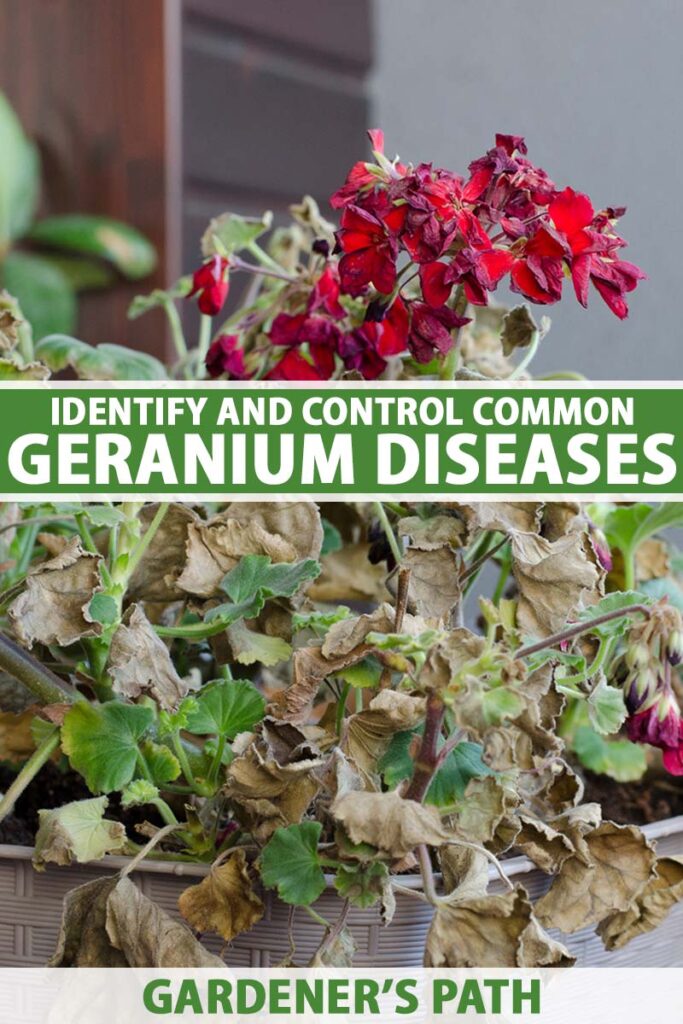
Despite its many charms, Pelargonium is susceptible to various diseases and pests. Familiarize yourself with these common issues:
- Fungal Mottling: A fungal infection causing dark spots on lower leaves and reddish powder.
- Bacterial Mottling: Yellowing leaves with dark spots on upper leaves, often accompanied by curling.
Regular inspections can help you identify potential problems early on. Implementing a preventative strategy will ensure your Pelargonium remains healthy and thriving throughout the growing season.
Where to Find Pelargonium: Shopping for Seeds or Plants
Ready to bring a touch of elegance to your balcony? You can find seeds or plants on online marketplaces like Amazon. With over 100 varieties to choose from, you’re sure to find the perfect one for your garden.
Visit local nurseries and gardening stores to explore their selection of Pelargonium. The knowledgeable staff will be able to guide you in choosing the best variety for your specific climate and growing conditions.
Conclusion: Unlocking the Secrets of Pelargonium
By understanding the intricacies of this captivating flower, we can unlock its full potential and bring joy to our surroundings. Whether you’re a seasoned gardener or just starting out, Pelargonium is an excellent addition to any garden. With careful attention to cultivation, watering, and pest management, you’ll be well on your way to creating a stunning display of colors that will captivate all who lay eyes on it.
Pelargonium’s beauty extends beyond its aesthetic appeal. This flowering plant has also been used for medicinal purposes, offering various health benefits when consumed in moderation.
By embracing the unique qualities and needs of Pelargonium, we can unlock its full potential as a garden ornament and contribute to a greener, more vibrant world around us.
Frequently Asked Questions
- What is the difference between Pelargonium and Geranium?
- Pelargonium belongs to the family Geraniaceae but has distinct characteristics, such as its asymmetrical flower shape and more width than height.
- How often should I water my potted Pelargonium?
- Water your potted Pelargonium every day during summer and alternate between watering and allowing the soil to dry slightly in spring.
- Can I grow Pelargonium indoors?
- Yes, Pelargonium can thrive indoors with proper lighting and care.


