
As the climate crisis continues to ravage our planet, another critical issue is emerging in Italy’s waters. The sea temperature is rising, with far-reaching consequences for marine ecosystems and biodiversity. In this article, we’ll delve into the world of the “Mare Caldo” project by Greenpeace, which aims to monitor the impacts of climate change on Italian seas.
What is the Mare Caldo Project?
The Mare Caldo project brings together eight protected marine areas (Amp) in Italy to study the effects of climate change on marine ecosystems. Researchers from the University of Genova’s Department of Science, Environment, and Life (Distav) lead the studies, which focus on the Isola d’Elba, Portofino in Liguria, and Plemmirio in Sicily.
Rising Temperatures: A Growing Concern
The past four decades have seen a significant increase in sea surface temperatures off the coasts of Italy. According to satellite observations, temperatures have risen by 1.7-1.8°C at Portofino and Elba. This warming trend is causing concerns among experts, who note that it can lead to devastating effects on marine life.
Consequences of Rising Temperatures
The consequences of rising sea temperatures are far-reaching and alarming. The warmer waters have led to increased mortality rates among marine organisms, with some species suffering up to 40-50% colony loss. In Elba, the gorgonia bianca is particularly vulnerable, with over 30% of colonies showing signs of necrosis.
The Mucillagini Phenomenon
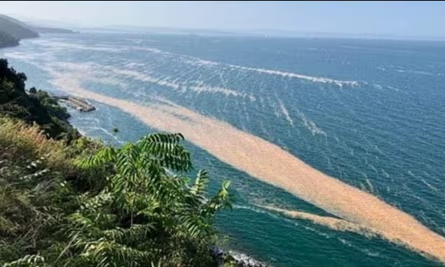
Researchers have also observed an increase in mucillagini, a type of sediment that can choke out light and nutrients from the water. This phenomenon is not only caused by warming waters but also by poor water quality. The presence of mucillagini has significant implications for marine ecosystems.
The Tropicalization Effect: Alien Species Invasion
Another pressing issue highlighted by the Mare Caldo project is the tropicalization effect, where warmer waters are attracting alien species from other parts of the world. This invasion can have devastating effects on local ecosystems and biodiversity.
Action Required to Change Course
Giorgia Monti, Greenpeace’s Mare campaign leader, emphasizes that urgent action is needed to mitigate the climate crisis. She stresses the importance of investing in marine protected areas and coordinating global efforts to reduce emissions.
The Crucial Role of the Sea in Climate Regulation
While saving biodiversity might seem like a distant goal, it’s essential to remember that the sea plays a vital role in regulating the Earth’s climate. The ocean absorbs approximately 20-30% of human-caused carbon dioxide emissions and has absorbed around 93% of the additional heat generated by greenhouse gases.
The Economic Impacts of Climate Change
Climate change is also having significant economic impacts on Italy’s coastal communities. Rising sea temperatures are causing damage to marine infrastructure, including fishing gear and tourism-related businesses. In addition, the loss of biodiversity can lead to decreased fish stocks and reduced economic activity in industries such as aquaculture and seafood processing.
The Role of Climate Change in Shaping Coastal Communities
Climate change is not only affecting marine ecosystems but also coastal communities. Rising sea levels are causing erosion and flooding, leading to displacement and economic hardship for residents. The Mare Caldo project highlights the need for proactive measures to protect these vulnerable communities from the impacts of climate change.
The Importance of Sustainable Fishing Practices
Sustainable fishing practices are critical in mitigating the effects of climate change on marine ecosystems. The Mare Caldo project emphasizes the importance of reducing bycatch, implementing catch limits, and promoting eco-labeling initiatives to support responsible seafood consumption.
International Cooperation and Climate Change Mitigation
Climate change is a global issue that requires international cooperation and collective action. The Mare Caldo project highlights the need for coordinated efforts to reduce emissions, protect marine ecosystems, and address the economic impacts of climate change on coastal communities.
Conclusion: Protecting Our Seas for the Future
The warming Italian Sea is just one example of the far-reaching consequences of climate change. It’s imperative that we take immediate action to protect our marine ecosystems, invest in research, and work together to address this critical issue. Only then can we ensure a sustainable future for both our planet and humanity.
Frequently Asked Questions
Q: What is the Mare Caldo project?
A: The Mare Caldo project is an initiative by Greenpeace that aims to monitor the impacts of climate change on Italian seas.
Q: How are the sea temperatures increasing in Italy?
A: According to satellite observations, sea surface temperatures have risen by 1.7-1.8°C off the coasts of Elba and Portofino over the past four decades.
Q: What are mucillagini, and why are they a concern for marine ecosystems?
A: Mucillagini is a type of sediment that can choke out light and nutrients from the water, leading to significant impacts on marine life.
Q: How do tropicalization effects affect local ecosystems?
A: The invasion of alien species in warmer waters can lead to devastating consequences for local biodiversity.
Q: What can be done to address climate change and protect our seas?
A: Urgent action is required to reduce emissions, invest in marine protected areas, and coordinate global efforts to mitigate the climate crisis.
Q: Why is it essential to protect our marine ecosystems?
A: The sea plays a vital role in regulating the Earth’s climate, and protecting marine ecosystems can help ensure a sustainable future for both our planet and humanity.
Q: What are some potential consequences of inaction on climate change?
A: Failure to address climate change will lead to devastating impacts on global food security, water availability, and human health.
Q: How can individuals contribute to mitigating the effects of climate change?
A: By adopting sustainable lifestyles, reducing energy consumption, and supporting climate-conscious policies, individuals can play a significant role in addressing this critical issue.


