
As a succulent enthusiast, you’ve likely heard that these plants are notorious for their ability to thrive in dry conditions. While it’s true that succulents have adapted to store water in their leaves, stems, or roots, they still require some level of watering to survive. The misconception that succulents don’t need water is far from the truth.
In this article, we’ll delve into the world of succulent care, exploring the frequency and quantity of watering required for these fascinating plants. Whether you’re a seasoned gardener or a beginner, our comprehensive guide will help you become an expert in succulent care.
The Science Behind Succulent Watering
So, why do succulents need water? The answer lies in their unique physiology. Succulents have evolved to store water in their leaves, stems, or roots, allowing them to survive during periods of drought. However, this adaptation comes with a cost: these plants are sensitive to overwatering.
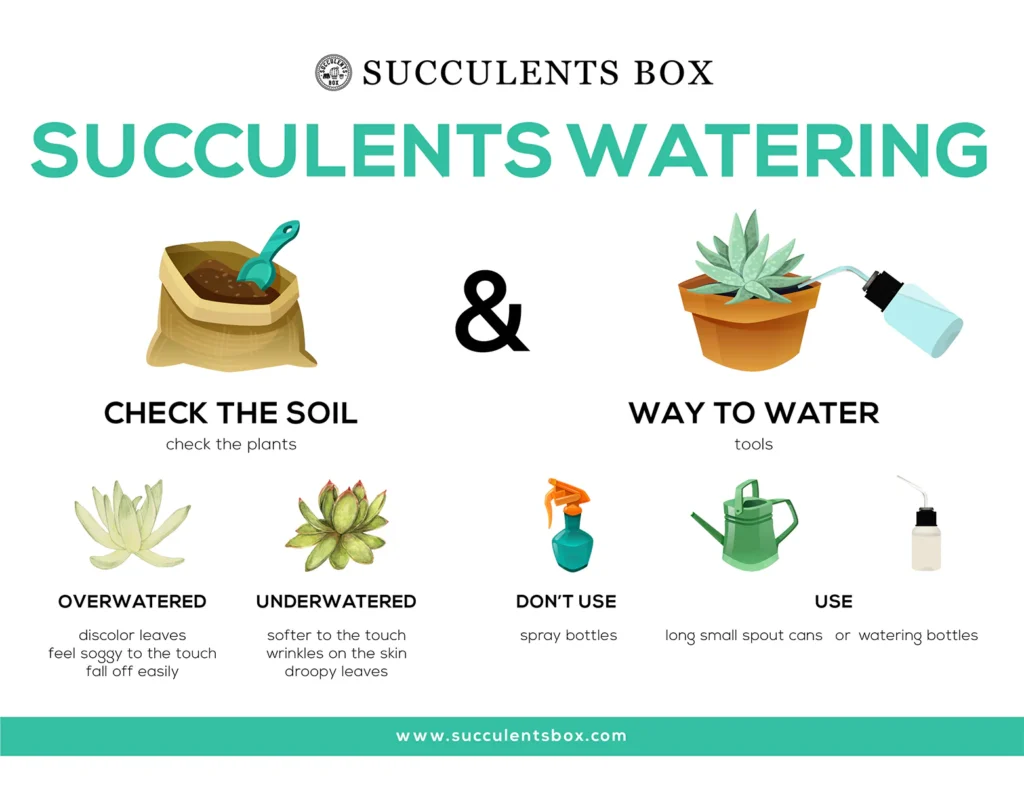
When the soil is too moist, succulents are susceptible to root rot, a condition that can be fatal. On the other hand, underwatering can cause damage to the plant’s cells, leading to desiccation and death. The key is finding the right balance between providing enough water and avoiding excessive moisture.
Factors Influencing Succulent Watering Frequency
Several factors influence the frequency of watering for your succulents:
- Plant Species: Different species have varying watering requirements. Some succulents, like aloe vera, can tolerate neglect, while others, like echeveria, require more frequent watering.
- Pot Size and Material: Larger pots or those made of porous materials may dry out faster than smaller pots or those made of non-porous materials.
- Temperature and Humidity: Extreme temperatures or humidity levels can affect the soil’s moisture content and watering needs.
- Seasonal Changes: Succulents require more water during the growing season (spring and summer) and less during the dormant season (fall and winter).
Watering Frequency for Succulents
Here are some general guidelines for watering frequency:
- Indoor Succulents: Water every 7-10 days, but adjust according to the plant’s specific needs.
- Outdoor Succulents: Water every 4-6 weeks during the growing season and less frequently during the dormant season.
Watering Techniques
There are several methods for watering succulents:
- Soaking Method: Immerse the pot in a shallow dish of water, allowing the soil to absorb water.
- Drip Irrigation: Use a drip irrigation system or a plastic bag with holes to deliver water directly to the roots.
- Spraying Water: Spray the plant with a fine mist to provide a gentle soaking.
Tips for Succulent Care
Here are some additional tips for succulent care:
- Use Well-Draining Soil: A well-draining potting mix can help prevent waterlogged soil and root rot.
- Avoid Overwatering: Check the soil moisture by sticking your finger into the soil up to the first knuckle. If it’s dry, it’s time to water!
- Provide Good Air Circulation: Make sure your succulents have enough space to breathe and receive good air circulation.
Common Mistakes to Avoid
Some common mistakes to avoid when caring for succulents include:
- Overwatering: Be cautious not to overwater, as this can lead to root rot and other problems.
- Underwatering: Make sure your succulents are receiving enough water, especially during hot summer months.
- Poor Lighting: Most succulents require bright, indirect light. Avoid placing them in low-light areas.
Propagation Methods
Succulents can be easily propagated using the following methods:
- Leaf Cuttings: Take a healthy leaf from your succulent and plant it in well-draining soil.
- Stem Cuttings: Take a section of stem from your succulent and plant it in well-draining soil.
- Division: Divide your succulent into smaller sections to create new plants.
Pest Control
Succulents are susceptible to pests like mealybugs, spider mites, and scale. To prevent infestations:
- Inspect Your Plants Regularly: Check for signs of pests on the leaves, stems, or soil.
- Use Organic Pest Control Methods: Apply neem oil, insecticidal soap, or horticultural oil to control pest populations.
Common Succulent Species
Here are some popular succulent species:
- Aloe Vera: A versatile succulent with medicinal properties and beautiful leaves.
- Echeveria: A low-maintenance succulent with striking rosettes of fleshy leaves.
- Crassula (Jade Plant): A small, compact succulent with attractive leaves that can be pruned into shapes.
Propagation Tips
Here are some additional tips for propagating succulents:
- Use Clean Tools: Make sure your propagation tools are clean and disinfected to prevent the spread of pests.
- Plant in Well-Draining Soil: Use a well-draining potting mix to help new plants establish themselves quickly.
Frequently Asked Questions (FAQs)
- How often should I water my succulents?
- Watering frequency depends on the plant species, pot size, temperature, humidity, and season.
- What type of soil is best for succulents?
- Well-draining potting mixes are ideal for succulents to prevent waterlogged soil and root rot.
- How often should I fertilize my succulents?
- Fertilize sparingly during the growing season (spring and summer) with a balanced, water-soluble fertilizer.
-
Can I use tap water for my succulents?
- No, it’s recommended to use distilled or rainwater, as tap water can contain high levels of minerals that may harm your plants.
-
How often should I repot my succulents?
- Repot every 1-3 years, depending on the plant species and pot size.
-
Can I grow succulents indoors?
- Yes, many succulent species can thrive in indoor conditions with proper lighting and care.
-
How often should I prune my succulents?
- Prune as needed to maintain shape, promote healthy growth, and encourage new leaves or flowers.
-
Can I grow succulents outdoors year-round?
- No, most succulent species require protection from extreme temperatures, wind, and frost during the winter months.
By following these guidelines and tips, you’ll be well on your way to becoming a succulent expert!


