
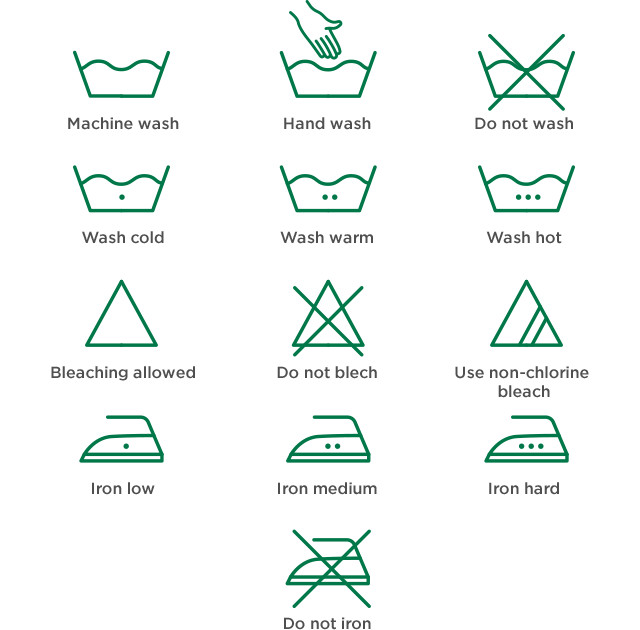
As we go about our daily lives, we often take for granted the clothes on our backs. But have you ever stopped to think about what’s really in those clothes? The answer may surprise you. Many of the fabrics we wear are treated with chemicals that can harm our health and the environment.
One of the most alarming facts is that the fashion industry is one of the largest consumers of hazardous chemicals, responsible for millions of tons of toxic waste each year. From perchloroethylene (perc) to formaldehyde, these chemicals have been linked to a range of health problems, including cancer, respiratory issues, and reproductive damage.
The Dangers of Perchloroethylene (perc)
Perchloroethylene, also known as perc, is one of the most common chemicals used in dry cleaning. This gas has been linked to an increased risk of cancer, particularly lung cancer, as well as other health problems such as kidney damage and neurological disorders.
When clothes are treated with perc, the chemical can seep into the fabric, potentially causing harm to our bodies. In fact, studies have shown that even low levels of exposure to perc can lead to adverse health effects, including headaches, dizziness, and nausea.
The Benefits of Air Drying
So, how can you avoid exposing yourself to perc and other harsh chemicals? One simple solution is to air dry your clothes instead of using a dryer. This method may take longer, but it’s safer for both you and the environment.
Air drying uses natural evaporation processes to remove moisture from clothing, rather than relying on heat and chemical treatments. Not only does this reduce exposure to perc, but it also helps to preserve the quality and texture of fabrics.
Natural Cleaning Products: A Healthier Option
Another way to reduce your exposure to chemicals is by using natural cleaning products. There are many effective alternatives to traditional detergents that are free from harsh chemicals and toxins. Look for products made with natural ingredients like soap, plant extracts, and essential oils.
Some popular natural cleaning products include:
- Seventh Generation
- Ecover
- Dr. Bronner’s
- Castile soap
These products are not only gentler on the environment, but they also promote healthier living by reducing exposure to toxic chemicals.
Sustainable Fabric Choices
When shopping for clothes, consider sustainable fabric choices that are gentler on the environment. Natural fibers like cotton, linen, and silk are often better options than synthetic materials.
Here are some tips for choosing sustainable fabrics:
- Look for organic or eco-friendly certifications
- Choose natural fibers over synthetic blends
- Consider second-hand or vintage clothing options
- Support local textile manufacturers that use environmentally friendly practices
Removing Tough Stains
Removing tough stains can be a challenge, but there are natural remedies that can help. For protein-based stains like blood and grass, try using cold water and salt. For oil-based stains like grease and ink, use baking soda and water.
Here are some additional tips for removing tough stains:
- Always test a small area of the fabric before applying any stain remover
- Avoid using hot water, which can set stains and damage fabrics
- Consider using enzyme-based stain removers for protein-based stains
Laundry Tips for a Healthier Home
To keep your clothes and home clean and healthy, follow these simple laundry tips:
- Wash clothes in cold water to reduce energy consumption
- Use eco-friendly detergents or natural soap
- Avoid using fabric softeners, which can leave residues on clothing
- Line dry clothes whenever possible
Here are some additional tips for creating a healthier laundry routine:
- Consider using a washing machine filter to remove lint and debris
- Run a cleaning cycle every few months with a natural cleaner like white vinegar
- Use eco-friendly dryer sheets or balls to reduce static cling and improve energy efficiency
Conclusion: A Healthier Lifestyle
By making a few simple changes to your daily routine, you can promote healthier living and reduce your exposure to harsh chemicals. From air drying clothes to using natural cleaning products, there are many effective ways to create a healthier lifestyle.
Remember, every small change counts, and making these simple changes can have a significant impact on your health and the environment over time.
Frequently Asked Questions (FAQs)
Q: Is it safe to wear clothes that have been dry cleaned?
A: While some dry cleaning processes are safer than others, it’s still best to err on the side of caution. Consider air drying or washing your clothes in cold water instead.
Q: What are some natural alternatives to traditional detergents?
A: Look for products made with soap, plant extracts, and essential oils. Some popular options include Seventh Generation and Ecover.
Q: Can I remove tough stains from my clothes without chemicals?
A: Yes! Try using baking soda and water for oil-based stains or cold water and salt for protein-based stains.
Q: How can I keep my washing machine clean and hygienic?
A: Run a cleaning cycle every few months with a natural cleaner like white vinegar.
Q: What are some sustainable fabric choices that are gentler on the environment?
A: Consider cotton, linen, silk, and bamboo for your next clothing purchase.
Q: Can I use fabric softeners without harming my clothes or home?
A: Unfortunately, no. Fabric softeners can leave residues on clothing and contribute to indoor air pollution.
Q: How can I reduce my energy consumption when doing laundry?
A: Wash clothes in cold water, line dry whenever possible, and avoid using the dryer altogether.
Q: What are some natural ways to remove odors from my clothes?
A: Try adding a cup of white vinegar or baking soda to your wash cycle for a fresher scent.


