
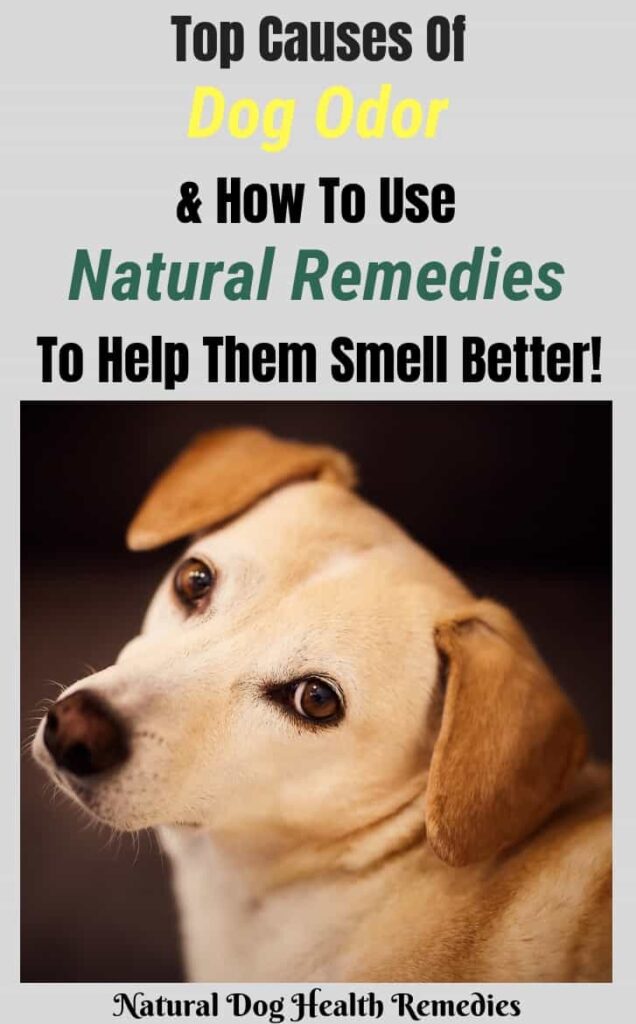
As a dog owner, you’ve probably noticed that your furry friend has bad breath from time to time. While it’s not the most pleasant topic to discuss, it’s essential to address the issue, as persistent bad breath can be a sign of an underlying health problem.
The Causes of Bad Breath in Dogs
Before we dive into the solutions, let’s explore the possible causes of bad breath in dogs. The two primary culprits are:
- A poor diet that lacks essential nutrients and fiber
- The presence of bacteria that thrive on a dog’s fur and skin
A balanced diet is crucial for maintaining your dog’s overall health, including their oral health. Avoid feeding them table scraps or high-sugar foods that can lead to digestive issues.
The Role of Pooch Odor in Bad Breath
While the term “pooch odor” might sound amusing, it refers to the lingering smell that dogs often have on their fur and skin. This natural scent is not only unappealing but also provides an ideal environment for bacteria to multiply.
To keep your dog’s bad breath at bay, focus on:
- Using gentle, pH-balanced shampoos specifically designed for dogs
- Limiting bath frequency (more than once a month may strip the coat of its natural oils)
- Brushing their teeth regularly (at least twice a week) to prevent tartar buildup
Bad Breath: A Warning Sign
If your dog’s bad breath persists or is accompanied by other symptoms such as:
- Yellow or brown discoloration around the mouth
- Bad-tasting water or an inability to swallow
- Vomiting or diarrhea
- Weight loss
Seek veterinary attention immediately. These signs could be indicative of a more serious underlying issue that requires prompt medical attention.
Natural Remedies for Dog Bad Breath
While your veterinarian may recommend professional dental cleaning, there are some natural remedies you can try at home to help alleviate your dog’s bad breath:
- Adding a small amount of apple cider vinegar or coconut oil to their food
- Using a homemade toothpaste containing ingredients like baking soda and essential oils
Consult with your vet before introducing new supplements or treatments.
Dental Care for Dogs
Regular dental care is crucial for maintaining your dog’s overall health, including their oral health. Here are some tips for keeping your dog’s teeth clean:
- Brushing: Brush your dog’s teeth at least twice a week to prevent tartar buildup and promote good oral health.
- Dental Chews: Offer dental chews or toys that help remove plaque and tartar from your dog’s teeth.
- Raw Bones: Feed your dog raw bones, such as knuckle bones or marrow bones, to help clean their teeth naturally.
Nutrition and Oral Health
A balanced diet is crucial for maintaining your dog’s overall health, including their oral health. Look for foods that are:
- Low in sugar
- High in fiber
- Rich in essential nutrients
Consult with your vet before making any changes to your dog’s diet.
Conclusion
Bad breath in dogs is more than just an annoyance; it can be a sign of an underlying health issue. By understanding the causes, taking preventative measures, and exploring natural remedies, you can help keep your furry friend’s breath fresh and healthy.
Here are eight FAQs to address some common concerns:
Q: How often should I brush my dog’s teeth?
A: Brushing your dog’s teeth at least twice a week is essential for preventing tartar buildup and promoting good oral health.
Q: Can I use human toothpaste on my dog?
A: No, using human toothpaste can be harmful to dogs. Instead, opt for a pH-balanced, dog-specific toothpaste.
Q: What are some natural remedies for dog bad breath?
A: Adding apple cider vinegar or coconut oil to your dog’s food may help alleviate bad breath. However, consult with your vet before introducing new supplements or treatments.
Q: Why does my dog have bad breath if they’re healthy?
A: Even healthy dogs can experience occasional bad breath due to a poor diet, dental issues, or other factors.
Q: Can I prevent bad breath in dogs by keeping their teeth clean?
A: Regular brushing and professional dental cleaning can help reduce the risk of bad breath in dogs.
Q: What are some common signs that my dog needs a dental cleaning?
A: Look for yellow or brown discoloration around the mouth, bad-tasting water, or an inability to swallow. If you notice any of these symptoms, consult with your vet immediately.
Q: Can I use essential oils on my dog’s teeth?
A: Some essential oils, like tea tree oil, may be safe for dogs when used in moderation and under veterinary guidance. However, always consult with your vet before using new supplements or treatments.
Q: How often should I take my dog to the veterinarian for a dental checkup?
A: Regular dental checkups can help identify any oral health issues early on. Consult with your vet to determine the best schedule for your dog’s specific needs.


