
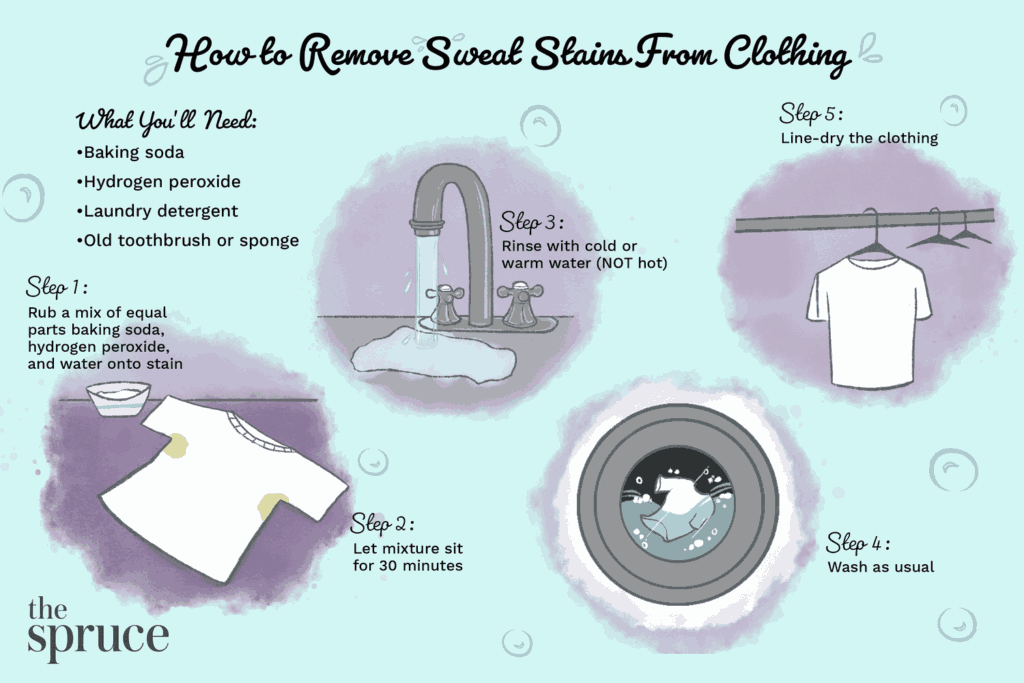
As we navigate our daily lives, it’s inevitable to encounter sweat stains on our clothing. Whether it’s a sweaty workout session at the gym, a hot summer day spent outdoors, or simply living life in general, sudor can leave unsightly marks on our favorite clothes. But fear not! We’ve got some practical tips and natural remedies to help you eliminate those pesky sweat stains and keep your wardrobe looking fresh.
Understanding Sweat Stains
Before we dive into the solutions, let’s quickly discuss what causes sweat stains. When sweat mixes with bacteria on our skin, it creates an acidic environment that can permanently damage certain fabrics, such as wool or silk. This is why it’s essential to address sweat stains promptly and effectively to prevent long-term damage.
The Science Behind Sweat Stains
Sweat itself isn’t the problem; it’s what happens when sweat mixes with bacteria on our skin that causes the stain. When sweat evaporates too quickly, it can leave behind a sticky residue that attracts dirt and bacteria, creating an ideal environment for stains to form. Additionally, certain fabrics like cotton or polyester can absorb moisture and create an environment conducive to bacterial growth.
Natural Remedies for Removing Sweat Stains
- Baking Soda Paste
Create a paste by mixing 4 tablespoons of baking soda with 250 ml of water. Apply the paste directly to the stain, let it sit for about an hour, and then wash as usual. This natural remedy is gentle on most fabrics and can help neutralize odors.
The Science Behind Baking Soda
Baking soda (sodium bicarbonate) is a natural deodorizer that helps absorb moisture and neutralize acidic environments. Its alkaline properties make it an effective stain remover, allowing you to eliminate sweat stains without damaging your clothes.
- Lemon Juice and Acetic Acid
Mix equal parts lemon juice and white vinegar (acetic acid) in a spray bottle. Spray the solution onto the stain and let it sit for 20 minutes before washing. The acidity in these ingredients will help break down and remove the sweat stain.
The Science Behind Lemon Juice and White Vinegar
Lemon juice contains citric acid, which is a natural acid that can help break down sweat stains. When combined with white vinegar (acetic acid), the acidity levels become even higher, making it easier to dissolve the sweat stain.
- Deodorant Application
While deodorants are designed to prevent sweat, they can sometimes leave behind residue that forms stains. If you notice a yellowish discoloration, try applying a small amount of baking soda or talcum powder directly to the area before washing.
The Science Behind Deodorant Residue
Some deodorants contain fragrances, dyes, and other ingredients that can leave behind residues on clothing. These residues can attract dirt and bacteria, creating an environment conducive to sweat stains.
Additional Tips for Preventing Sweat Stains
- Use Deodorants and Antiperspirants Strategically
Choose natural deodorants or antiperspirants that contain ingredients like baking soda or arrowroot powder, which can help absorb moisture and prevent stains.
The Science Behind Natural Ingredients
Natural ingredients like baking soda or arrowroot powder are gentle on the skin but effective at absorbing moisture. When used in conjunction with other natural remedies, they can create a powerful combination to prevent sweat stains.
- Wear Breathable Fabrics
Opt for clothing made from breathable fabrics like cotton, linen, or bamboo, which allow for airflow and can help reduce sweat buildup.
The Science Behind Breathable Fabrics
Breathable fabrics allow moisture to escape quickly, reducing the likelihood of sweat stains forming. By choosing natural fibers that promote airflow, you can minimize the risk of sweat stains and keep your clothes looking fresh.
- Avoid Overusing Deodorant
Be mindful of how often you use deodorant, as prolonged application can lead to residue buildup and stains.
The Science Behind Deodorant Residue
Overusing deodorant can lead to a buildup of residues on clothing, creating an environment conducive to sweat stains. By using deodorants strategically, you can minimize the risk of residue buildup and prevent sweat stains from forming.
Managing Sweat Stains on Special Fabrics
- Wool and Silk Care
For delicate fabrics like wool or silk, it’s essential to pre-treat the stain before washing. Apply a small amount of mild detergent directly to the affected area and let it sit for 15 minutes without rinsing. Then, wash as usual.
The Science Behind Wool and Silk Stains
Wool and silk are delicate fibers that require special care when dealing with sweat stains. By pre-treating the stain with a mild detergent, you can help prevent damage to these fabrics.
- Synthetic Fabrics
For synthetic fabrics like polyester or nylon, try applying a small amount of white vinegar directly to the stain before washing. The acidity in the vinegar will help break down and remove the sweat stain.
The Science Behind Synthetic Fibers
Synthetic fibers are prone to sweat stains due to their tendency to absorb moisture quickly. By using white vinegar as a natural remedy, you can help break down and remove sweat stains from these fabrics.
- Natural Fibers
For natural fibers like cotton or linen, try applying a small amount of baking soda directly to the stain before washing. The baking soda will help absorb moisture and neutralize odors.
The Science Behind Natural Fibers
Natural fibers are generally more resistant to sweat stains than synthetic fibers. By using baking soda as a natural remedy, you can help absorb moisture and prevent sweat stains from forming on these fabrics.
Conclusion
Removing sweat stains from clothing can be a challenge, but with the right techniques and natural remedies, you can keep your wardrobe looking fresh and clean. By understanding what causes sweat stains and taking proactive steps to prevent them, you’ll be well on your way to maintaining a stain-free wardrobe.
Frequently Asked Questions (FAQs)
-
Q: Can I use bleach to remove sweat stains?
A: No, it’s not recommended to use bleach as it can damage certain fabrics or discolor clothing. -
Q: How often should I apply deodorant?
A: Use deodorants and antiperspirants only when necessary, as prolonged application can lead to residue buildup and stains. -
Q: Can I mix different natural remedies to create a more effective stain remover?
A: While you can experiment with various combinations, it’s essential to test the effectiveness of each remedy individually before mixing them. -
Q: How long does it take for sweat stains to appear?
A: Sweat stains can appear immediately after exercise or sweating, but they may not become visible until hours or days later. -
Q: Can I use fabric softener to remove sweat stains?
A: No, fabric softeners can actually make sweat stains worse by coating the fabric and preventing it from absorbing moisture properly. -
Q: How do I prevent sweat stains on new clothing?
A: To minimize sweat stain risk on new clothes, apply a small amount of baking soda or talcum powder to the affected area before wearing. -
Q: Can I dry clean sweat-stained clothing?
A: It’s best to avoid dry cleaning whenever possible, as it can damage certain fabrics and set in stains. -
Q: How do I remove stubborn sweat stains from synthetic fibers?
Synthetic Fabric Removal Techniques
For stubborn sweat stains on synthetic fibers like polyester or nylon, try the following techniques:
- Apply a small amount of white vinegar directly to the stain before washing.
- Use a gentle detergent specifically designed for removing tough stains.
- Soak the garment in cold water with a small amount of laundry detergent before washing.
By following these tips and using natural remedies like baking soda or lemon juice, you can keep your wardrobe looking fresh and clean even after sweat-stained workouts or hot summer days.


