
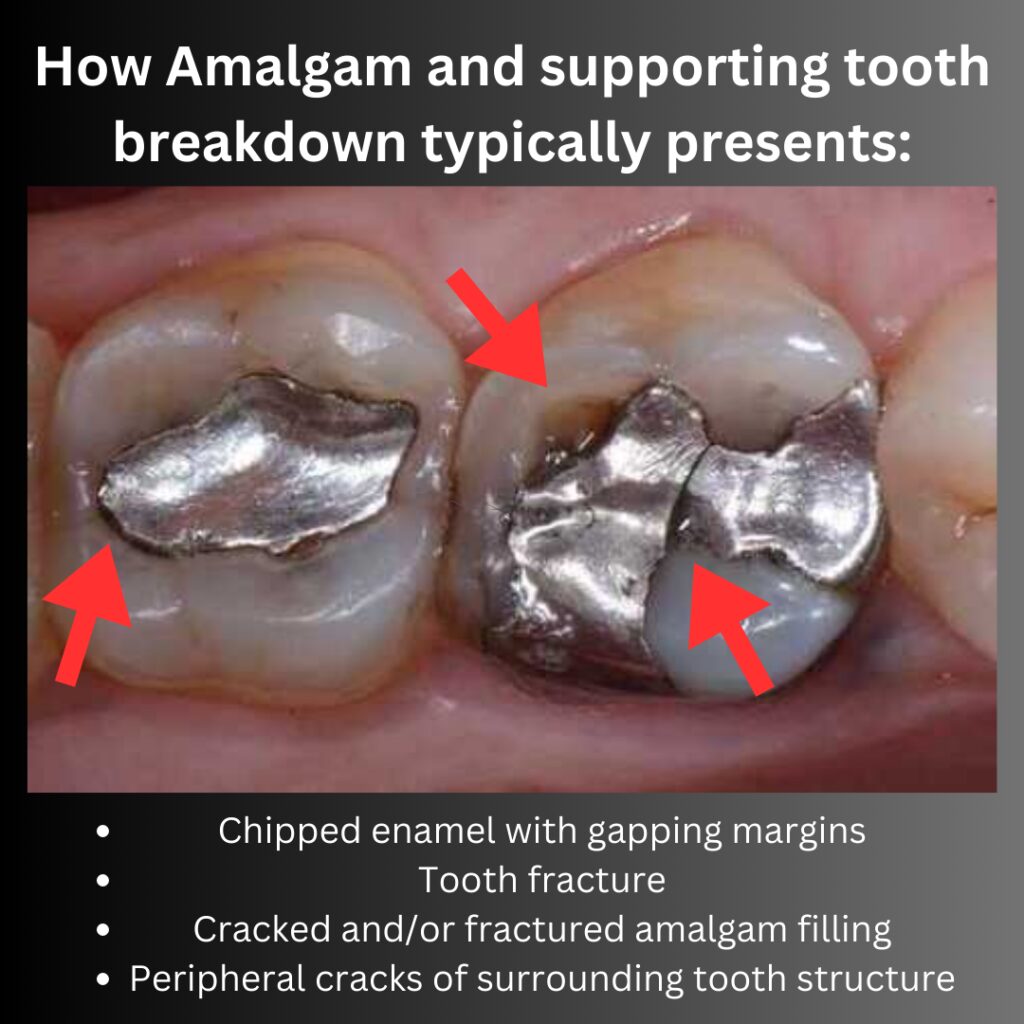
As we navigate the complex world of dentistry, it’s easy to overlook some of the older materials used in restorative dentistry. However, one topic that remains relevant is dental amalgam – a metal-based composite made up of silver, copper, tin, and zinc. In this article, we’ll delve into what dental amalgam is, its problems, and removal options.
What is Dental Amalgam?
Dental amalgam refers to the material used in dentistry, consisting of 22-32% silver, 11-14% copper, 6-9% tin, and 2% zinc. The name “amalgam” might be misleading, as it references silver, but mercury is actually the main ingredient – making up approximately 45-50% of the mixture.
What is Dental Amalgam Used For?
Historically, dental amalgam was used in conservative dentistry for fillings and direct restorations. Although you may have some amalgam in your mouth without realizing it, the terms “filling” or “restoration” are often used interchangeably. However, due to its limitations and potential health risks, dental amalgam is now largely outdated.
A Brief History of Dental Amalgam
In the past, dental amalgam was considered state-of-the-art technology for restorative dentistry. It offered several practical advantages, including being cost-effective and quick solutions for repairing cavities with long-lasting results. However, its widespread use led to concerns about environmental impact and potential health risks.
Aesthetic Concerns: The Unappealing Truth
Over time, many old fillings made from dental amalgam have turned gray due to corrosion, allowing mercury and other metals to penetrate deeper into the tooth structure. This can cause an undesirable appearance, as surrounding teeth may change color. The aesthetic concerns associated with old fillings are a significant drawback of using this material.
Health Risks Associated with Dental Amalgam
The primary concern surrounding dental amalgam is its potential health risks, particularly due to the presence of mercury. Mercury is an environmentally harmful substance that can also be toxic to humans. Studies have shown that it can cause damage to the central and peripheral nervous system, brain, heart, kidneys, and immune system.
Is Dental Amalgam Safe?
Unfortunately, there are no health benefits associated with dental amalgam, particularly when considering the presence of mercury. The risk of cancer is a significant concern, as the mercury in old fillings can still leach into your body over time.
Mercury’s Impact on Health: A Closer Look
Mercury’s impact on human health is multifaceted and has been extensively studied. Exposure to mercury through dental amalgam fillings may lead to various health problems, including:
- Neurological damage
- Kidney problems
- Cardiovascular issues
- Reproductive problems
- Immune system suppression
Removing Dental Amalgam: A Necessity for Some
If you’ve had an amalgam filling placed, it may be possible to have it removed and replaced with a different material. However, this process is not straightforward and requires consultation with a specialized dentist or orthodontist who has experience in removing amalgam.
The Removal Process: What to Expect
The removal process typically involves using an aspirator with high suction power and a system of dual aspiration channels. Before proceeding, you’ll need to undergo a thorough examination by your specialist. Pregnant women and individuals with specific medical conditions require extra care when undergoing this procedure.
Rehabilitation After Amalgam Removal: A Step-by-Step Guide
After an amalgam filling is removed, it’s essential to prioritize rehabilitation to prevent further damage to the tooth structure. Here are some steps to take:
- Schedule a follow-up appointment: Allow your dentist sufficient time to examine and repair any damaged areas.
- Maintain good oral hygiene: Brush your teeth regularly with fluoride toothpaste and visit your dentist for regular cleanings.
- Avoid acidic foods and drinks: Reduce consumption of sugary and acidic products, which can further damage the tooth structure.
Conclusion: The Future of Dental Amalgam
As we move forward in the world of dentistry, it’s essential to acknowledge the limitations and potential health risks associated with dental amalgam. While it may still be used in some cases, alternatives are now preferred due to their aesthetic benefits and lower environmental impact.
Frequently Asked Questions
- Q: Is dental amalgam safe?
A: No, dental amalgam is not safe due to its potential health risks, particularly the presence of mercury. - Q: Can I still have an amalgam filling placed today?
A: It’s possible to have an amalgam filling placed, but it’s essential to consult with a specialized dentist or orthodontist who has experience in removing amalgam. - Q: How long does the removal process take?
A: The removal process typically involves a thorough examination and may take several hours or days to complete, depending on the complexity of the case. - Q: Are there any alternatives to dental amalgam?
A: Yes, there are several alternatives available, including composite resins, gold fillings, and ceramic restorations. - Q: Can I still use toothpaste if I have an amalgam filling?
A: It’s recommended to avoid using certain types of toothpaste that contain fluorine or abrasives, as they may damage the surrounding teeth. - Q: Is it safe for pregnant women to have an amalgam filling removed?
A: Pregnant women should consult with their dentist before undergoing any dental procedure, including removing an amalgam filling.



