
Introduction
In the comfort of our own homes, without any risks, we can explore the wonders of nature through documentaries like Planet Earth II. This BBC-produced series takes us on a journey to various corners of our planet, showcasing its incredible diversity and beauty.
As we sit in front of our screens, we get to experience the thrill of discovery, even if it’s just for a few minutes. With the help of drones and advanced technology, we can see animals up close and personal, which was previously impossible.
The concept of exploration has been a cornerstone of human curiosity since ancient times. From the early explorers who ventured into the unknown to the modern-day scientists who study the natural world, humans have always been drawn to the thrill of discovery. And what better way to experience this thrill than through the eyes of David Attenborough?
Chapter 1: Exploring the Wonders of Nature
The first chapter, “Isole e Montagne,” takes us to remote islands and majestic mountain ranges. The second chapter, “Giungle e Deserti,” transports us to the lush jungles and arid deserts. The third chapter, “Praterie e Città,” brings us to vast grasslands and bustling cities.
As we watch these chapters, we’re reminded of our school days, studying geography and science through textbooks with faded photos. But Planet Earth II brings back more than just memories; it awakens a sense of wonder and appreciation for the natural world.
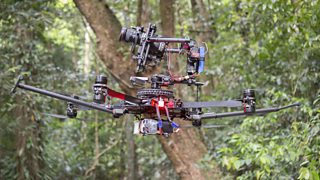
The documentary’s use of drones allows us to experience the thrill of exploration firsthand. We can see towering trees sway in the wind, majestic mountains rise above the landscape, and vast grasslands stretch as far as the eye can see. The drone footage is breathtakingly beautiful, capturing the intricate details of the natural world that we might otherwise miss.
The Power of Technology
One of the key factors behind the success of Planet Earth II is its use of cutting-edge technology. The documentary features stunning footage captured using high-definition cameras, including drones equipped with UHD+HD resolution. This level of detail allows us to see animals up close and personal, like never before.
Take, for example, the majestic leopards of the Himalayas, whose fur we can see in exquisite detail. This level of technology is not just a novelty; it’s a game-changer for wildlife documentaries. It allows filmmakers to capture footage that would be impossible with traditional camera equipment, giving us a deeper understanding of the natural world.
Another innovative aspect of Planet Earth II is its use of 3D printing and modeling techniques. The documentary features detailed models of animals’ habitats, allowing viewers to better understand the complex relationships between species in their environments. This level of detail is unparalleled in wildlife documentaries, providing viewers with an immersive experience that simulates the natural world.
The Making of Planet Earth II
The making of Planet Earth II was no easy feat. The production team spent 2,089 days filming over four years, with 117 expeditions conducted across 40 countries. The journey was long and arduous, with time spent on logistics, waiting, and bureaucratic hurdles.
But the end result is well worth it. The documentary’s “making-of” feature includes diaries from the production team, offering a glimpse into their adventures and challenges. We learn about the countless hours of planning and preparation that went into creating each episode, as well as the innovative techniques used to capture stunning footage.
The documentary also features interviews with the filmmakers and experts who worked on the project, providing insight into the research and development process behind Planet Earth II. From the creation of detailed models of animal habitats to the use of cutting-edge camera technology, we gain a deeper understanding of what went into creating this groundbreaking series.
The Star of the Show: David Attenborough
Another crucial element in Planet Earth II’s success is its narrator, Sir David Attenborough. A renowned naturalist and broadcaster, Attenborough brings his unique voice and style to the documentary.
At 90 years old, Attenborough is still going strong, communicating complex ideas with ease and sensitivity. He’s received numerous accolades from Queen Elizabeth II, including a knighthood, and has even had a fossil species named after him.
Global Reception
Planet Earth II was a massive hit in both the UK and Italy. In the UK, it attracted an average audience of 11.9 million viewers, making it one of the most-watched documentaries of all time. In Italy, the documentary has been well-received, with the DVD available on Amazon for just €35.
The global reception of Planet Earth II was a testament to its universal appeal. Whether you’re a seasoned naturalist or simply curious about the world around you, this documentary is sure to captivate and inspire. With its stunning footage, engaging narrative, and expert narration, it’s an experience that will leave viewers in awe.
Conclusion
Planet Earth II is a testament to the power of technology and storytelling in conveying the wonders of nature. With its stunning footage, engaging narrative, and expert narration, this documentary has captured the hearts of audiences worldwide.
As we continue to explore and learn about our planet, it’s essential to remember the importance of conservation and preservation. By watching Planet Earth II and other documentaries like it, we can gain a deeper appreciation for the natural world and inspire action to protect it.
FAQs
- Q: What is Planet Earth II?
A: Planet Earth II is a BBC-produced documentary series exploring the wonders of nature using advanced technology. - Q: How was the documentary made?
A: The production team spent 2,089 days filming over four years, with 117 expeditions conducted across 40 countries. - Q: Who narrated the documentary?
A: Sir David Attenborough provided the narration for Planet Earth II. - Q: What was the most-watched episode of Planet Earth II in the UK?
A: The average audience for the first episode was 11.9 million viewers. - Q: Is Planet Earth II available on DVD or streaming platforms?
A: Yes, the documentary is available on Amazon for €35, and streaming platforms like Netflix (in some regions). - Q: How did the documentary’s use of drones impact the viewing experience?
A: The high-definition cameras and drone footage allowed viewers to see animals up close and personal in unprecedented detail. - Q: What is the significance of David Attenborough’s narration?
A: Attenborough’s unique voice and style brought complex ideas to life, making the documentary engaging and accessible to a wide audience. - Q: Will there be more documentaries like Planet Earth II in the future?
A: While no official announcements have been made, the success of Planet Earth II suggests that there will likely be future documentaries exploring the wonders of nature using advanced technology.
Bonus Section: The Future of Wildlife Documentaries
As we look to the future, it’s clear that wildlife documentaries will continue to evolve and push the boundaries of storytelling. With advancements in technology and innovative filmmaking techniques, we can expect even more breathtaking footage and immersive experiences.
One area where we’re likely to see significant innovation is in the use of artificial intelligence (AI) and machine learning algorithms. These technologies are already being used in wildlife documentaries to analyze data, track animal movements, and predict behavior.
Another emerging trend is the use of virtual reality (VR) and augmented reality (AR) technology in wildlife documentaries. By immersing viewers in the natural world, these technologies have the potential to revolutionize the way we experience and interact with wildlife.
In conclusion, Planet Earth II has set a new standard for wildlife documentaries, showcasing the incredible diversity and beauty of our planet using cutting-edge technology. As we continue to explore and learn about the natural world, it’s essential to remember the importance of conservation and preservation. By watching documentaries like Planet Earth II and supporting conservation efforts, we can inspire action to protect our planet’s precious resources.
Final Thoughts
As we conclude this article, we’re left with a sense of wonder and awe at the incredible diversity of life on Earth. From the majestic mountains to the vast oceans, our planet is home to an astonishing array of species that continue to fascinate and inspire us.
Planet Earth II has shown us the power of technology and storytelling in conveying the wonders of nature. By embracing innovation and pushing the boundaries of filmmaking techniques, we can create documentaries that inspire action and spark a new generation of conservationists.
As we move forward into an uncertain future, it’s more important than ever to appreciate the natural world and take action to protect it. By watching documentaries like Planet Earth II and supporting conservation efforts, we can ensure that our planet remains a vibrant and thriving ecosystem for generations to come.


